MWE Correspondent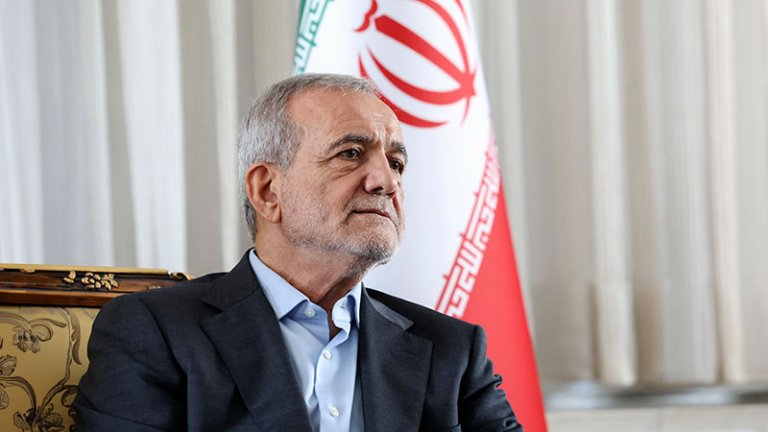
Iran has reiterated that it does not seek war and maintains that its foreign policy is rooted in defense and national sovereignty, as tensions with the United States continue to shape regional and global security debates.
In remarks delivered on Sunday, April 19, Iranian President Masoud Pezeshkian emphasized that the country’s position has remained consistent: Iran did not initiate hostilities and is not pursuing military escalation. Instead, he said Tehran is focused on safeguarding what it considers its legitimate rights under international law, particularly in relation to security, energy development, and nuclear activities.
His statement comes at a time when relations between Tehran and Washington remain strained, driven by long-standing disputes over sanctions, nuclear oversight, and regional influence. Iran has repeatedly accused the United States of applying economic and political pressure designed to limit its strategic autonomy.
The tensions between Iran and the United States are not new. They date back decades, intensifying after the 1979 Iranian Revolution and further escalating following disagreements over Iran’s nuclear program in the early 2000s. The 2015 nuclear agreement—formally known as the Joint Comprehensive Plan of Action (JCPOA)—temporarily eased tensions, but its collapse after the U.S. withdrawal in 2018 led to renewed confrontation.
Since then, both countries have maintained opposing positions. Iran insists its nuclear program is peaceful and aimed at energy production and scientific advancement, while the United States and several allies have expressed concerns about potential military dimensions.
Also Read; Markets Adjust As Economic Signals Begin Shifting Direction
President Pezeshkian’s latest remarks reinforce Iran’s narrative that it is acting under external pressure rather than aggression. He accused Washington of attempting to deny Iran access to its sovereign rights through sanctions and diplomatic isolation.
Iran has been under various levels of economic sanctions for years, affecting its oil exports, banking system, and international trade. These measures, according to Iranian officials, have had significant domestic economic consequences but have not altered its strategic policies.
Tehran continues to argue that such pressure only deepens mistrust and makes diplomatic solutions more difficult to achieve. Officials maintain that Iran remains open to negotiations, but only under conditions they describe as “mutual respect” and “equal footing.”
The broader Middle East remains sensitive to any escalation involving Iran and the United States. Iran holds strategic influence across several regional theatres, while U.S. military presence remains significant in surrounding countries.
Security analysts note that much of the current tension operates in what is often referred to as a “gray zone conflict”—a form of confrontation that avoids direct war but includes sanctions, cyber operations, intelligence activity, and proxy engagements.
This indirect competition has contributed to instability in various regional hotspots, where diplomatic breakdowns can quickly translate into localized escalations.
Despite the strong rhetoric from both sides, diplomatic channels have not been fully closed. Back-channel discussions and third-party mediation efforts have periodically emerged, particularly involving European and regional actors attempting to prevent further escalation.
However, significant gaps remain between the two sides, especially on nuclear enrichment limits, sanctions relief, and regional security guarantees.
For now, Iran’s leadership continues to frame its stance as defensive and rights-based, while calling for recognition of its sovereignty in international negotiations. Whether this position leads to renewed dialogue or deeper confrontation remains uncertain.
As geopolitical pressures persist, the Iran–U.S. relationship continues to stand as one of the most complex and influential fault lines in global diplomacy—where statements, sanctions, and strategic calculations carry consequences far beyond the immediate region.