MWE Correspondent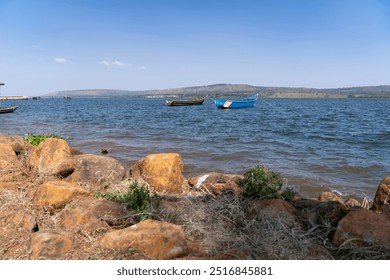
Lake Victoria, the economic and ecological backbone of East Africa, is facing intensifying environmental pressure as pollution, overfishing, and climate-related disruptions converge into what experts increasingly describe as a deepening regional crisis requiring urgent and coordinated intervention.
Spanning Tanzania, Kenya, and Uganda, the vast freshwater lake supports the livelihoods of tens of millions of people through fishing, agriculture, transport, trade, and energy production. However, its ecological stability is now under mounting threat, with scientists warning that continued degradation could undermine food security and economic resilience across the entire region.
Environmental monitoring agencies report a steady decline in water quality across multiple zones of the lake, driven by untreated industrial discharge, sewage inflows from rapidly expanding urban centres, and increasing plastic waste accumulation. At the same time, fish stocks—once among the most productive inland fisheries in the world—are showing signs of long-term depletion due to unsustainable harvesting practices and weak enforcement of conservation regulations.
Communities living along the lake’s shoreline are reporting visible changes in daily life. Fishermen in several landing sites say catches have fallen significantly over recent years, forcing longer and more expensive fishing expeditions with diminishing returns. Local traders warn that reduced supply is already affecting fish prices, household incomes, and regional food supply chains that depend heavily on the lake’s ecosystem.
The spread of water hyacinth and other invasive aquatic species continues to disrupt navigation routes, clog fishing zones, and reduce oxygen levels in affected waters, further stressing already fragile aquatic life. Environmental specialists say the problem is being compounded by rising temperatures and unpredictable rainfall patterns linked to broader climate change in East Africa, which is altering the lake’s ecological balance.
In response, regional governments and environmental institutions have intensified collaborative efforts under frameworks linked to East African regional cooperation, aiming to strengthen cross-border regulation of pollution control, fisheries management, and water resource protection. Joint programmes have been introduced to improve waste treatment infrastructure, enforce sustainable fishing quotas, and enhance environmental surveillance across shared lake zones.
Despite these initiatives, enforcement gaps and limited funding continue to undermine progress. Environmental analysts caution that policy coordination has not kept pace with the scale of degradation, leaving large sections of the lake vulnerable to unchecked pollution and resource exploitation.
Conservation experts argue that meaningful recovery will depend on sustained investment and stricter implementation of Lake Victoria environmental conservation strategies, including community-driven protection programs, improved scientific monitoring, and stronger legal enforcement mechanisms across all three riparian states.
The lake also faces increasing pressure from rapid population growth in surrounding urban and rural settlements, which has expanded demand for land, water, and natural resources. This demographic pressure is accelerating deforestation, shoreline encroachment, and wetland destruction, further weakening the lake’s natural filtering systems.
Humanitarian organizations warn that continued deterioration of Lake Victoria could have far-reaching consequences beyond environmental damage, potentially affecting public health, regional trade stability, and long-term development goals across East Africa. They are calling for urgent, coordinated action to prevent what some describe as an approaching ecological tipping point.
Despite the growing concerns, authorities across the region maintain that recovery is still possible if current efforts are strengthened and properly enforced. Scientific institutions continue to advocate for integrated basin-wide management policies, improved data sharing, and long-term ecological restoration programmes.
As pressure on natural resources increases, Lake Victoria remains at a critical crossroads—one that will determine not only the future of its waters, but also the economic and environmental stability of millions who depend on it across East Africa.