MWE Correspondent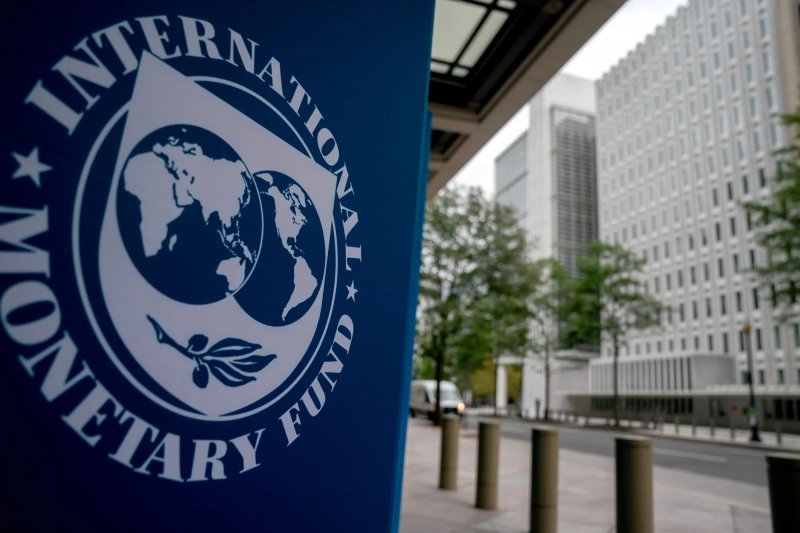
The International Monetary Fund (IMF) has warned that the global economic fallout from the ongoing war involving Iran would take several months to stabilise, even if hostilities were to end immediately.
IMF Managing Director Kristalina Georgieva said the conflict has already triggered widespread disruption across global supply chains, driven up energy prices, and intensified inflationary pressures in both advanced and developing economies.
Speaking at an international economic forum, she noted that the world economy is facing a delayed recovery process, with markets expected to remain unsettled for at least three to four months after any potential ceasefire. According to her, uncertainty in global financial systems and commodity markets means that normalisation would not be immediate.
Georgieva’s remarks come as the IMF prepares to revise its global growth outlook, with early assessments indicating that prolonged instability in the Middle East could significantly slow economic expansion worldwide. Energy markets, in particular, remain highly sensitive to disruptions linked to geopolitical tensions in the region.
She warned that the longer the conflict continues, the deeper the economic impact will become, especially for oil-importing countries and developing economies that are more vulnerable to sudden price fluctuations. Rising fuel costs, she said, could feed into broader inflation, affecting food prices, transportation, and household living standards.
Also Read; East Africa Pushes Unified Telecom Integration Plan
The IMF chief urged governments to adopt carefully targeted policy responses rather than broad subsidies, arguing that poorly designed interventions could worsen demand pressures and prolong inflationary cycles. Instead, she called for focused support to protect the most vulnerable populations from the economic shock.
Despite current challenges, Georgieva acknowledged that global markets have shown a degree of resilience, absorbing initial shocks better than expected. However, she cautioned that underlying uncertainty remains elevated, and full economic stabilisation will take time even after military tensions ease.
Economists observing the situation say the war has exposed the fragility of interconnected global systems, where disruptions in one region can quickly ripple through energy markets, trade routes, and financial networks worldwide.
As policymakers continue to monitor developments, attention is increasingly focused on how long-term geopolitical instability may reshape global growth patterns, investment flows, and inflation dynamics in the months ahead.