MWE Correspondent
The government has moved to significantly strengthen access to higher education by almost doubling the national budget allocated to student loans over the past four years.
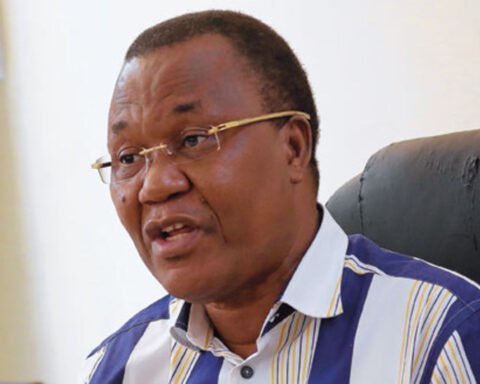
Prime Minister Dr. Mwigulu Nchemba has confirmed that funding has risen from TZS 464 billion in the 2020/2021 financial year to TZS 916.7 billion in 2025/2026, an increase of 98 percent.
Dr. Nchemba said the increase reflects the government’s long-term vision of investing in people through education, which he described as a key pillar of sustainable national development. He emphasized that higher education equips young people with the knowledge and skills required to contribute meaningfully to the economy and society at large.
Enrollment in universities and colleges has continued to grow as more students complete secondary education and seek advanced training. This rising demand has made student financial support more critical than ever. The expanded budget is expected to enhance the capacity of the Higher Education Students’ Loans Board to support a larger number of eligible students while improving the consistency of loan disbursement.
According to the Prime Minister, increased funding will help address past challenges such as delayed payments and limited coverage, which have affected students from low-income families. With more resources available, the loans board is expected to operate more efficiently and provide timely assistance to beneficiaries throughout their academic journey.
Beyond funding increases, the government has also focused on strengthening loan recovery systems to ensure the long-term sustainability of the scheme. Graduates are required to repay their loans once employed, allowing funds to be reused for future students. This approach mirrors widely accepted global practices in education finance, where access to learning is balanced with accountability and fiscal discipline.
Also Read; Pope Condemns Use Of Religion To Justify Conflict
Education analysts have welcomed the move, noting that investment in higher education often produces wide-ranging social and economic benefits. A skilled workforce supports growth in key sectors such as healthcare, infrastructure, science, and technology. International evidence, including findings shared by the World Bank on tertiary education, consistently links higher education investment to improved development outcomes.
As the 2025/2026 budget cycle approaches, attention is expected to focus on how effectively the expanded funds will be implemented and monitored. Stakeholders, including lawmakers, academic institutions, and students, will be watching closely to ensure that the increased allocation translates into real improvements on the ground.
With the near-doubling of student loan funding, the government has sent a clear signal that higher education remains a national priority and a lasting investment in the country’s future.