MWE Correspondent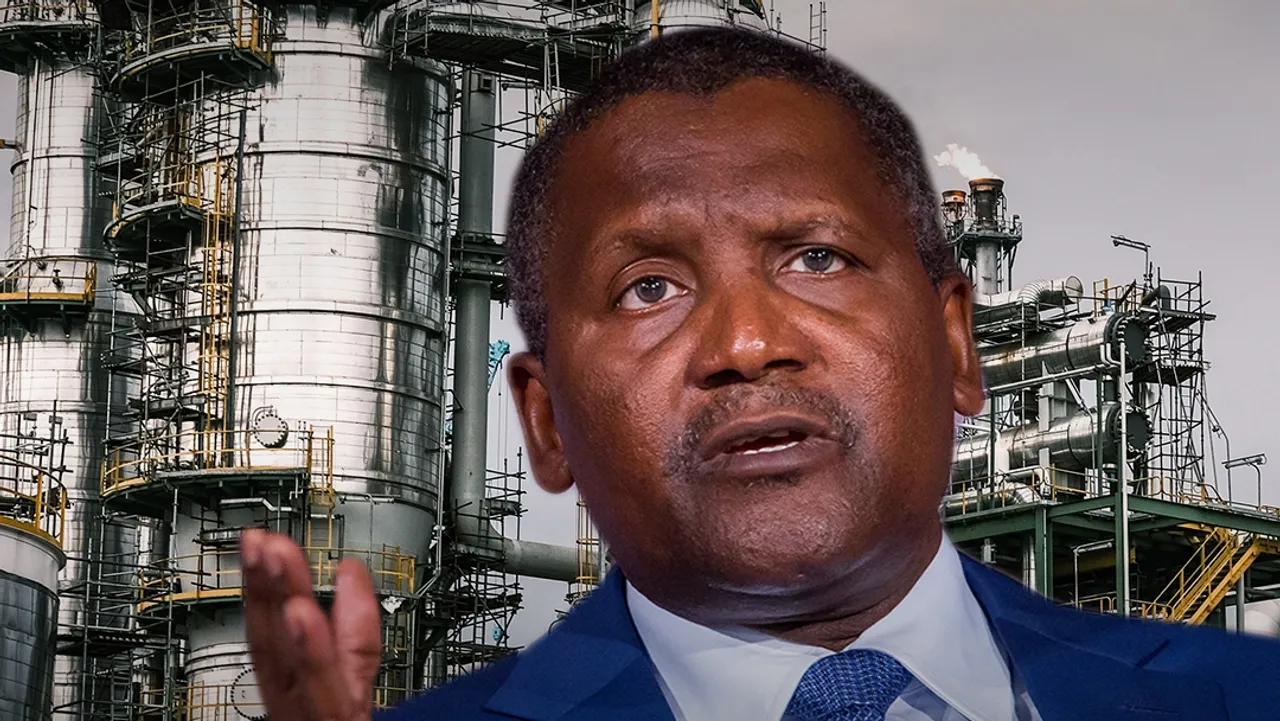
East Africa is witnessing a high-stakes competition for one of the continent’s most ambitious industrial projects after Nigerian billionaire Aliko Dangote signaled that Kenya’s coastal city of Mombasa has emerged as the preferred location for a proposed multi-billion-dollar oil refinery, potentially sidelining Tanzania’s port city of Tanga.
The planned refinery, estimated to cost between $15 billion and $17 billion, would process up to 650,000 barrels of crude oil per day, matching the scale of Dangote’s landmark refinery in Lagos, Nigeria, which officially commenced operations in 2024 after years of construction and delays.
In remarks published by the Financial Times, Dangote said Mombasa’s strategic maritime advantages had strengthened Kenya’s position in the race to host the giant energy project.
“I’m leaning more towards Mombasa because Mombasa has a much larger, deeper port,” Dangote said, underlining the importance of shipping infrastructure in determining the final investment destination.
The comments have intensified regional interest in the project, which could transform East Africa’s energy landscape and reduce the region’s heavy dependence on imported refined petroleum products from the Middle East and Asia.
Just weeks earlier, Kenyan President William Ruto revealed that East African governments had been discussing a joint refinery initiative centered around Tanga, inspired by the success and scale of Dangote’s Nigerian operation. The proposal was viewed as a major opportunity for Tanzania to strengthen its role as a regional energy hub.
However, Dangote appeared to favor Kenya’s economic and commercial advantages, emphasizing that demand levels in Kenya were significantly higher.
Also Read; Netanyahu Warns Enemies After Beirut Strike
“Kenyans consume more. It’s a bigger economy,” he said.
The billionaire businessman also suggested that the project’s future now largely depends on political direction from Nairobi.
“The ball is in the hands of President Ruto. Whatever President Ruto says is what I’ll do,” he added.
The refinery proposal comes at a critical time for East Africa, where rapidly growing economies and expanding urban populations are driving increased fuel demand. Despite the region’s economic growth, East African nations still rely almost entirely on imported refined fuel, exposing them to global oil price volatility, shipping disruptions, and foreign exchange pressure.
Industry analysts say securing the refinery would dramatically alter the economic fortunes of whichever country wins the investment. Beyond fuel production, the project could create thousands of jobs, stimulate infrastructure expansion, attract petrochemical industries, and strengthen regional trade networks.
For Kenya, hosting the refinery in Mombasa would reinforce the port city’s status as one of Africa’s most important maritime gateways. For Tanzania, losing the project to its northern neighbor could represent a major setback to ambitions of becoming a regional logistics and energy powerhouse through the Port of Tanga and other strategic infrastructure developments.