MWE Correspondent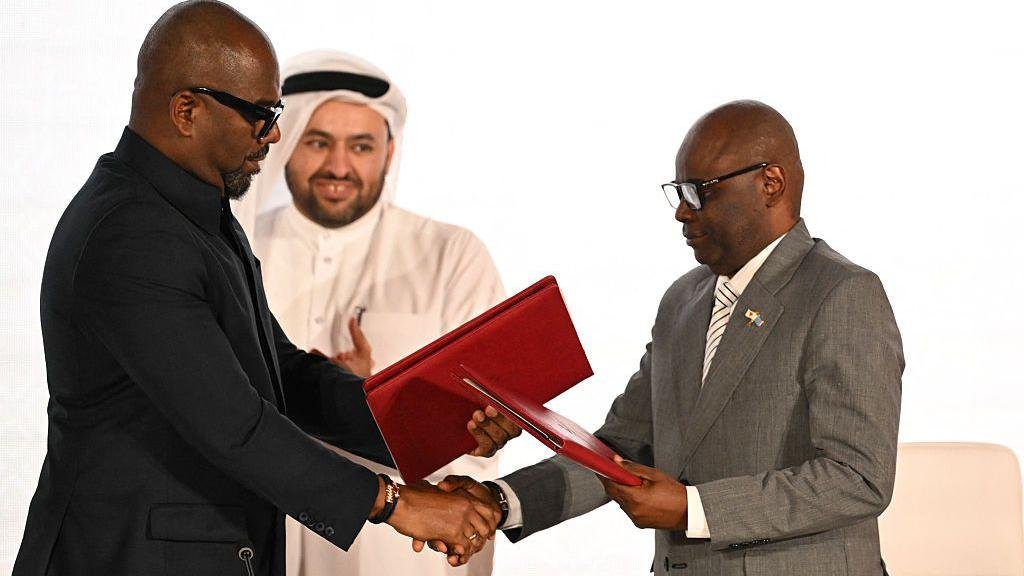
The ninth round of peace negotiations between the M23/AFC rebel coalition and the government of the Democratic Republic of the Congo began on Monday, April 13, in Geneva, marking another critical attempt to address one of Central Africa’s most prolonged armed conflicts.
The talks come at a time of heightened expectations and deep uncertainty among civilians in eastern Congo, where fighting between government forces and armed groups has continued to displace thousands and disrupt essential services.
According to diplomatic sources and regional observers, the current round of negotiations focuses on several core issues:
First, a possible ceasefire framework remains central. Both sides are under pressure to reduce active hostilities, particularly in North Kivu and surrounding provinces where clashes have intensified in recent months. A structured ceasefire is seen as a foundation for any longer-term political settlement.
Second, discussions are addressing humanitarian access corridors. Aid organizations have repeatedly warned that restricted movement has left many communities without food, medicine, and basic protection. Ensuring safe passage for relief supplies is therefore a priority item on the agenda.
Third, the issue of prisoner exchange and detainee release is being reviewed. Confidence-building measures such as the release of captives are often used in peace processes to create trust between opposing sides.
Fourth, negotiators are revisiting political integration and rebel grievances, including questions around governance, representation, and security arrangements in eastern Congo. The M23/AFC coalition has in the past argued that it is seeking political inclusion and protection for certain communities, while the government insists on national sovereignty and disarmament of armed groups.
Finally, the talks also touch on regional security dynamics, given accusations from Kinshasa that external actors have influenced the conflict. These concerns remain sensitive and complicate the negotiation environment.
Also Read; Gold Demand Rises As Stability Becomes Top Priority
For ordinary citizens in eastern Congo, the expectations are far more immediate and urgent. Many residents are primarily hoping for an end to daily violence that has forced families to flee their homes multiple times.
Humanitarian groups report that civilians are looking for security, stability, and the reopening of roads and markets, which are essential for survival in conflict-affected areas. Access to healthcare, education, and safe return of displaced people are also among the most pressing concerns.
However, there is also widespread skepticism. Previous peace agreements and ceasefire attempts have often collapsed, leaving communities frustrated and distrustful of political negotiations that seem distant from their daily realities.
Despite this, many observers believe the ongoing talks still represent an important opportunity. If successful, they could pave the way for reduced violence and gradually restore state authority in contested areas.
The M23 conflict remains one of the most complex security challenges in the region, involving local grievances, national politics, and regional tensions. While the Geneva talks do not guarantee an immediate breakthrough, they signal continued willingness by both sides to remain engaged in dialogue.