MWE Correspondent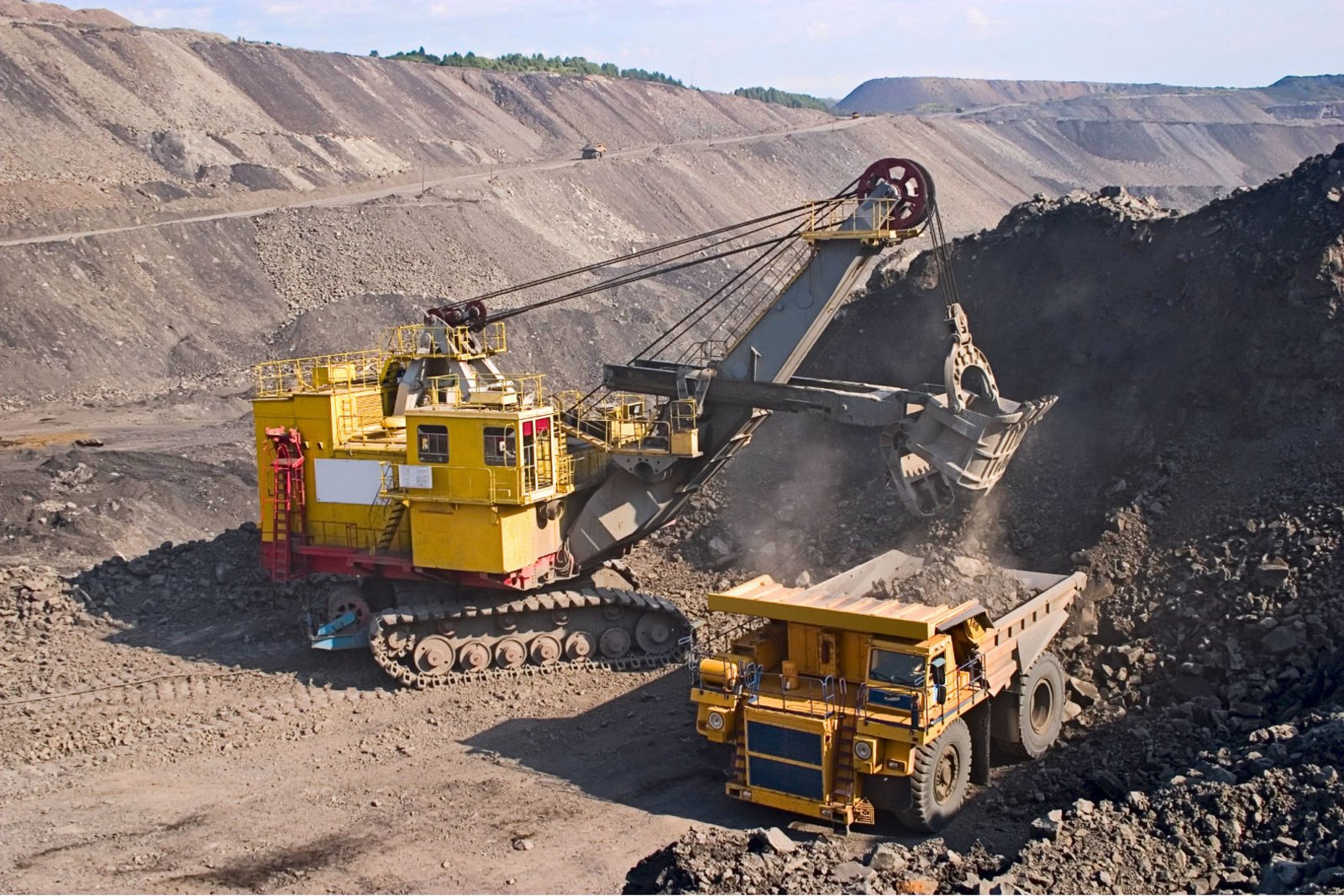
As the first rays of sunlight reach a remote mining site, excavators begin another day’s work extracting minerals that few people ever see but billions rely on every day.
The lithium inside electric vehicles, the cobalt powering rechargeable batteries and the rare earth elements used in advanced technologies all begin their journey in places that have suddenly become central to global strategic planning.
What was once viewed primarily as mining has become one of the defining geopolitical stories of 2026.
The global transition toward clean energy, artificial intelligence, advanced manufacturing and digital technologies has dramatically increased demand for critical minerals. Governments and industries are now competing to secure reliable supplies as concerns grow over supply-chain resilience and industrial security.
Recent initiatives by major economies to strengthen critical mineral partnerships, diversify supply chains and expand domestic processing have highlighted the growing importance of these resources. At the same time, China continues to play a significant role in mineral refining and processing, while Russia remains an important producer of several strategic minerals, reinforcing its position within global commodity markets.
For countries endowed with these resources, the changing landscape presents opportunities that extend well beyond mining exports.
The conversation is increasingly focused on Economic Sovereignty.
Rather than exporting raw materials alone, many governments are seeking to encourage domestic processing, value addition and manufacturing. The objective is to retain a larger share of economic benefits while creating skilled employment and supporting long-term industrial growth.
Achieving that goal requires more than mineral deposits.
Reliable electricity, modern transport infrastructure, skilled labour, transparent regulation and technological investment are becoming equally important. Countries capable of integrating these elements are likely to move higher within global industrial value chains.
The strategic importance of critical minerals has also transformed international relations.
Trade agreements, infrastructure investments and industrial partnerships are increasingly influenced by access to these essential resources. Governments are broadening cooperation with multiple partners to reduce dependence on any single source while strengthening supply-chain resilience.
This evolution has elevated Global Diplomacy to a new level.
Diplomatic engagement is no longer limited to traditional political dialogue. It increasingly includes investment agreements, industrial cooperation, scientific research and technology partnerships linked to strategic resources.
Environmental responsibility is another defining element of this transformation.
Communities living near mining operations are placing greater emphasis on sustainable development, responsible land management and meaningful local participation. Investors and governments are also paying closer attention to environmental standards as global markets increasingly value responsibly sourced minerals.
These expectations are encouraging companies to adopt stronger governance practices while improving transparency throughout mineral supply chains.
Also Read, South Africa Braces For Anti-Immigration Protests
Meanwhile, technological innovation continues to expand demand.
Artificial intelligence infrastructure, renewable energy systems, electric mobility and advanced defence technologies all require growing quantities of critical minerals. Analysts expect this demand to remain strong throughout the coming decade as digital transformation accelerates across multiple sectors.
This trend has strengthened discussions around Industrial Development.
Resource-rich nations are increasingly exploring opportunities to establish refining facilities, battery manufacturing plants and technology industries rather than remaining suppliers of unprocessed commodities.
Such investments have the potential to generate broader economic benefits, increase exports of higher-value products and reduce dependence on volatile commodity prices.
At the same time, the global competition for critical minerals is encouraging closer cooperation between governments, research institutions and private industry.
Innovation in recycling, alternative materials and processing technologies may eventually diversify supply, but for now, secure access to strategic minerals remains a central priority for many economies.
The changing mineral landscape reflects a broader shift in global power.
Economic influence is increasingly connected not only to financial strength or military capability, but also to access, processing and responsible management of the materials that support modern industries.
For resource-producing nations, this is a defining moment.
Those that invest in value addition, strengthen institutions and negotiate balanced partnerships will be better positioned to transform natural wealth into sustainable prosperity.
The next chapter of global economic leadership may not begin in financial capitals alone.
It may begin where the world’s most strategic minerals are brought from the ground and transformed into the technologies shaping tomorrow.