Joseph Isangura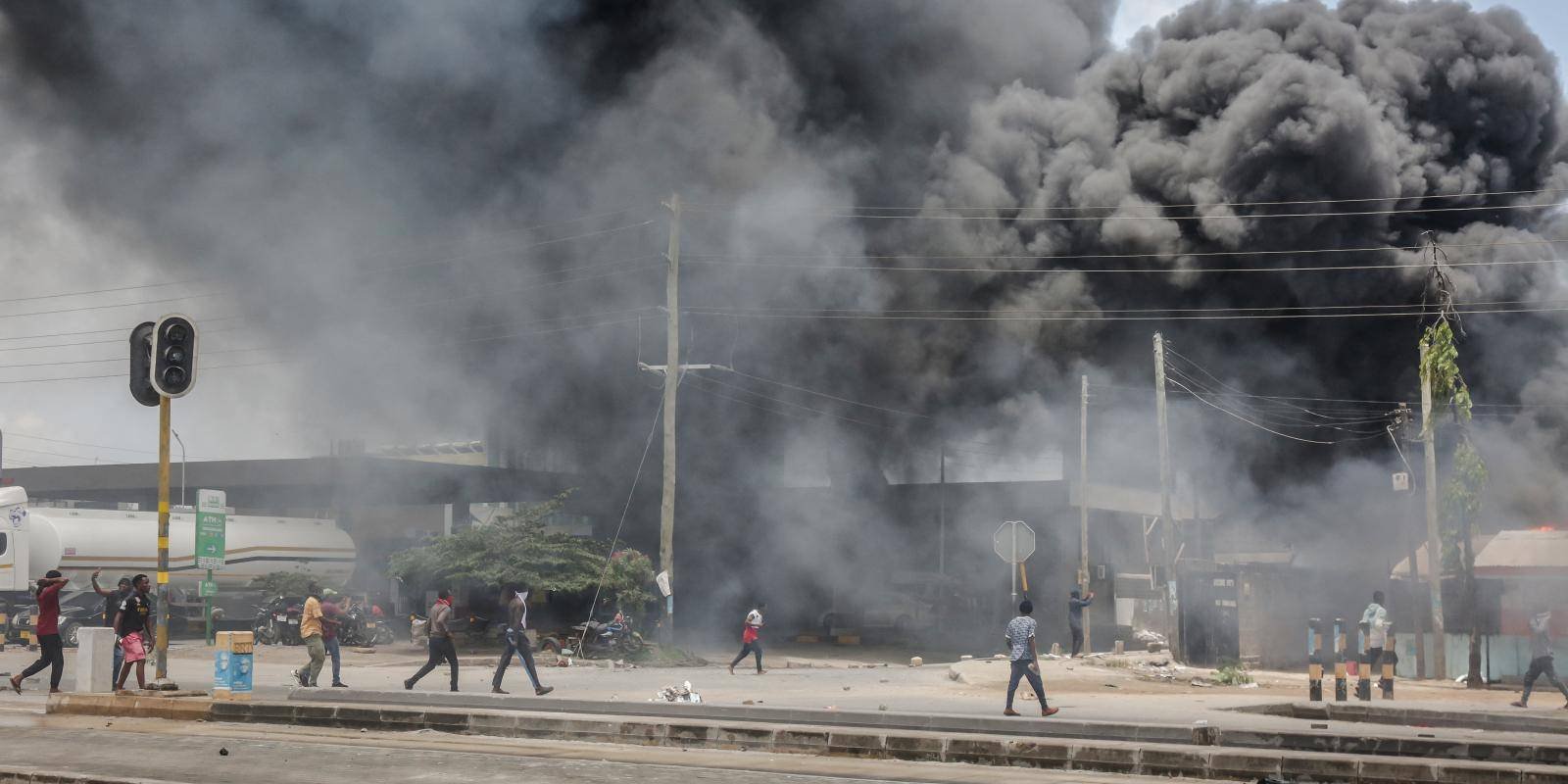
Civil society organisations and human rights defenders in Tanzania have reviewed the findings of the official inquiry into events surrounding the General Election held on October 29, 2025, while rejecting proposals to establish a new investigative body into the same incidents.
A coalition of 14 organisations stated that while the report provides a framework for understanding the violence that occurred before and after the election, significant concerns remain over its methodology, conclusions, and follow-up recommendations. The groups argue that gaps in evidence collection and the inability to clearly identify those responsible for the incidents undermine public confidence in the findings.
The organisations further pointed to what they described as unresolved findings, including references to the existence of camps and training activities allegedly linked to the unrest. They also called for stronger accountability measures and compensation for victims affected by the violence.
Speaking on behalf of the coalition, human rights scholar Dr Azaveli Lwaitama said the violence recorded on and around October 29, 2025, was rooted in long-standing political tensions that have persisted since Tanzania’s transition to a multiparty political system in 1992. He emphasized that accountability should be applied uniformly to all individuals implicated in the use of force or unlawful killings, as outlined in the inquiry report.
“We recommend that all those involved in killings and the use of force, as outlined in the Commission’s report, should be held accountable in accordance with the law, without any form of bias,” he said.
Also Read; US–Iran Peace Talks Collapse Amid Rising Tensions
However, not all stakeholders share the same interpretation of the report. Political analyst Dr Benson Bana noted that civil society organisations are within their rights to express their views, but stressed that the commission had already fulfilled its legal mandate as established by the government. He added that opposition from some groups to the formation of the commission had been raised from the outset, with concerns over its perceived independence.
The debate reflects ongoing divisions over how best to address the aftermath of the 2025 election-related violence, with competing narratives emerging between government-aligned interpretations of the inquiry and civil society calls for deeper accountability and structural reform.
Observers note that the discussion is now shifting from fact-finding to implementation, particularly regarding recommendations for justice, compensation, and institutional reform. However, disagreement over the credibility and scope of the original inquiry continues to shape public discourse.
The issue remains highly sensitive in Tanzania’s political landscape, where questions of electoral integrity, governance, and human rights have repeatedly surfaced in recent years. Analysts suggest that the handling of the report’s recommendations could influence future trust in electoral and judicial processes.