MWE Correspondent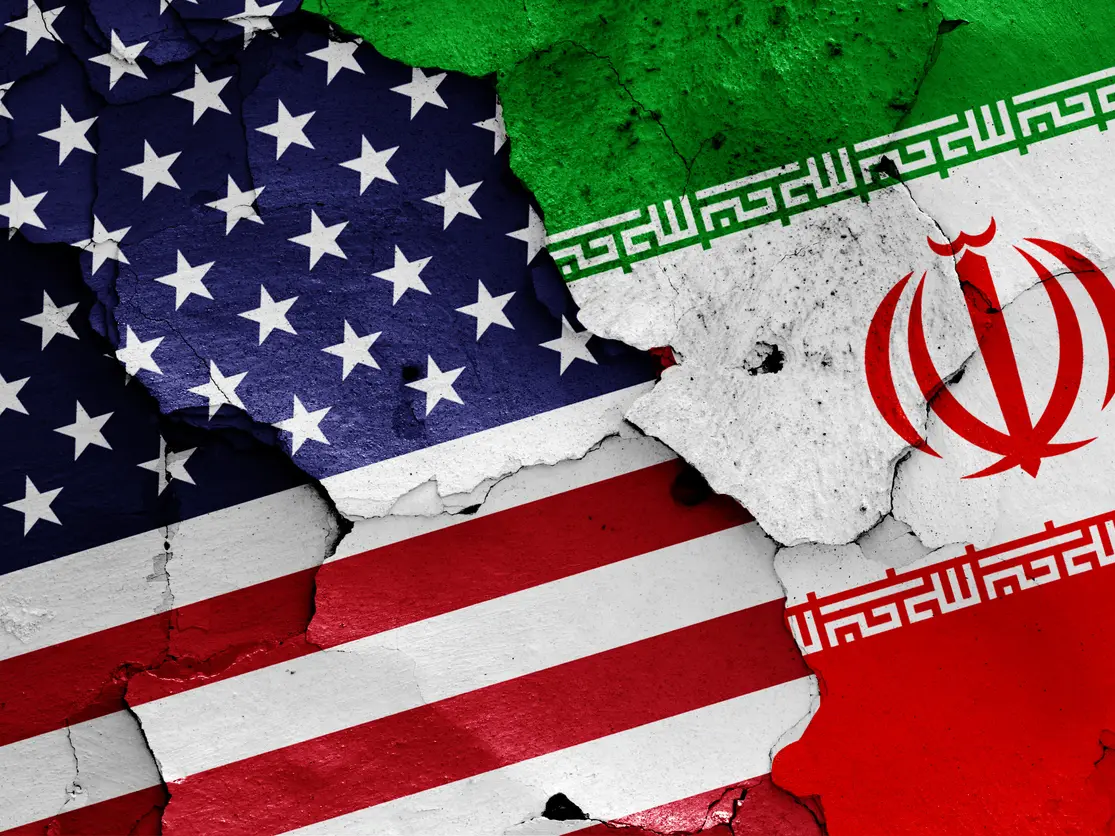
Hopes of easing tensions between the United States and Iran have weakened after diplomatic efforts aimed at restarting negotiations abruptly stalled, following what officials described as an unproductive round of mediation in Islamabad.
The development comes after a visit by Iranian Foreign Minister Abbas Araqchi to Pakistan, which had been acting as a facilitator in attempts to revive dialogue between Washington and Tehran. The talks were intended to create a pathway toward reducing long-standing hostilities and addressing sanctions and security concerns.
However, the process suffered a setback when Washington cancelled a planned trip by US envoys Steve Witkoff and Jared Kushner, signalling a breakdown in momentum. US President Donald Trump reportedly concluded that Iran’s latest proposals did not meet Washington’s expectations, describing them as insufficient to justify continued negotiations.
According to US officials, the decision reflected frustration over what they viewed as limited flexibility from the Iranian side, as well as a lack of concrete progress in bridging key differences during the mediated discussions.
Iran, however, has maintained that it will not engage in talks under what it describes as pressure conditions. President Masoud Pezeshkian has insisted that any meaningful negotiations must begin with the lifting of US sanctions and economic restrictions, which Tehran argues have severely impacted its economy.
The Iranian position has remained consistent, with officials repeatedly stating that engagement is only possible under conditions of mutual respect and equal terms. This stance has further complicated diplomatic efforts, as Washington continues to link sanctions relief to broader security and nuclear commitments.
Also Read; African Trade Integration Gains Momentum Across Regions
The collapse of the latest round of talks has heightened international concern over the trajectory of US–Iran relations, which have remained tense for years despite intermittent attempts at dialogue. Analysts warn that the breakdown in communication risks deepening mistrust between the two sides.
Energy markets have already begun to react cautiously to the uncertainty, with concerns that prolonged tensions could disrupt regional stability and contribute to volatility in global oil prices. Iran, a key player in global energy supply chains, remains central to these concerns.
Although a fragile ceasefire framework had previously helped reduce direct confrontation, observers say underlying tensions remain unresolved. Military posturing and political rhetoric from both sides continue to signal deep divisions on core issues, including sanctions, regional influence, and security guarantees.
Diplomatic observers note that third-party mediators, including regional partners, are likely to continue efforts to revive dialogue, but acknowledge that the current political climate presents significant obstacles.
For now, both Washington and Tehran appear firmly entrenched in their positions, with little indication of compromise in the short term. Analysts warn that without renewed engagement, the gap between the two sides may continue to widen, making a long-term diplomatic resolution increasingly difficult to achieve.