MWE Correspondent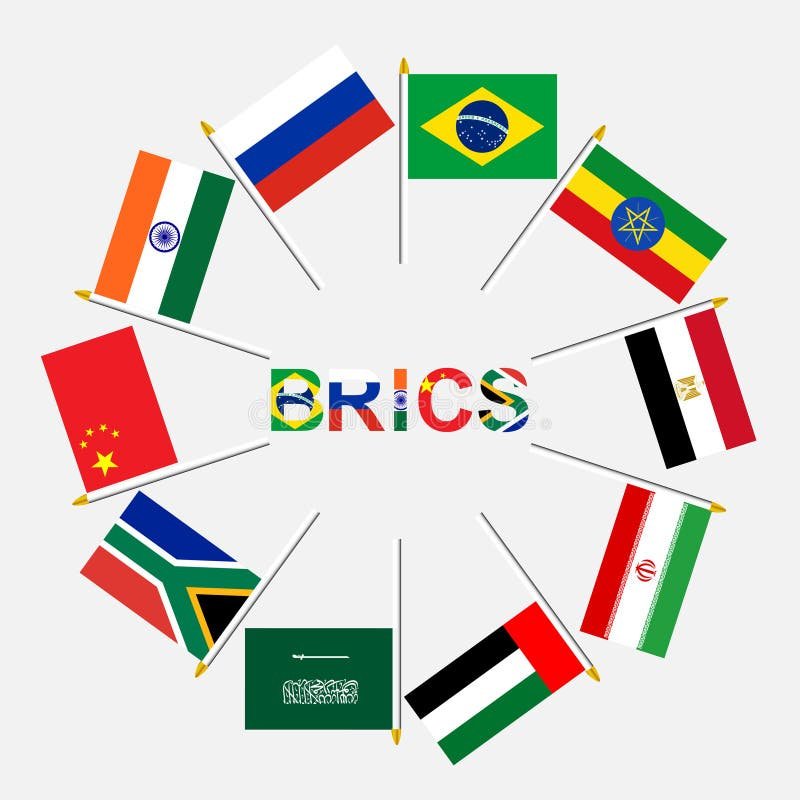
A steady shift is gaining momentum as the BRICS bloc continues to expand its influence in shaping trade, finance, and development cooperation among emerging economies.
What once began as a coordination platform is now evolving into a more structured force within the international economic landscape.
This is not rapid change.
It is strategic alignment.
Member countries are increasingly working together to strengthen financial cooperation, improve trade mechanisms, and support long-term development goals. These efforts are aimed at creating a more balanced system that allows for greater flexibility and independence.
One of the key areas of focus is currency usage.
There is growing interest in promoting local currency transactions between member states. This reduces exposure to external fluctuations and provides more control over financial interactions.
This is closely connected to de-dollarization.
Rather than removing existing financial systems, the approach focuses on expanding alternatives. By diversifying how trade and finance are conducted, member economies can build resilience and reduce overdependence on a single structure.
Another important element is strengthening shared financial systems.
Also Read: Dialogue Signals Stability Efforts Amid Ongoing Tensions
Efforts are being made to improve cross-border payment platforms, enhance cooperation between financial institutions, and support large-scale development projects. These initiatives aim to create a more integrated economic environment.
This reflects the concept of multilateralism.
Multilateral cooperation allows countries to work together while maintaining independence. In this context, it supports coordinated growth and stronger collective influence within broader economic systems.
There is also a strong focus on development.
Infrastructure, industrial expansion, and technology transfer are becoming central priorities. These initiatives are designed to create sustainable growth while strengthening internal economic capacity.
This is where economic cooperation becomes essential.
Cooperation goes beyond agreements — it involves aligning strategies, sharing resources, and building systems that support long-term progress. The more coordinated these efforts become, the more impactful they are.
At the same time, challenges remain.
Differences in economic size, policy priorities, and development stages require careful coordination. Progress depends on maintaining consistency and mutual trust among member states.
Still, the direction is clear.
The bloc is positioning itself as a complementary force — not replacing existing systems, but expanding the options available within them.
For businesses and investors, this creates new opportunities.
Emerging partnerships can open access to growing markets, infrastructure projects, and investment zones. Understanding these dynamics becomes increasingly important.
The key takeaway is simple.
This is not just cooperation.
It is coordination with purpose.
And through that coordination, a more balanced economic framework is gradually taking shape.