MWE Correspondent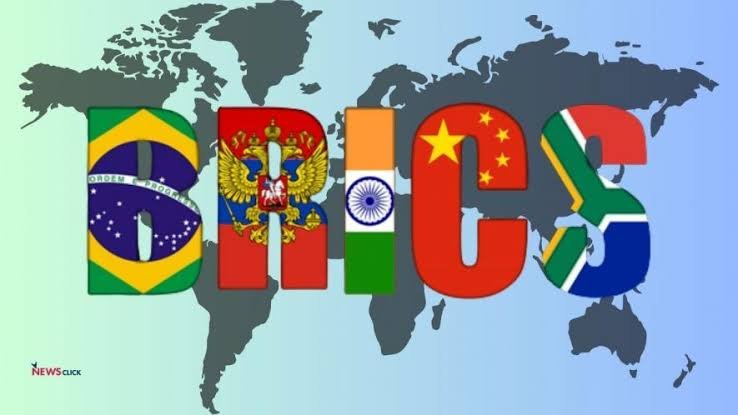
The BRICS alliance is steadily transforming from an emerging economic bloc into one of the world’s most influential geopolitical forces, as member states deepen cooperation in trade, finance and strategic investment.
With its continued expansion and growing appeal among developing nations, BRICS is challenging the long-standing dominance of Western-led financial institutions and reshaping the architecture of global economic governance.
Originally comprising Brazil, Russia, India, China and South Africa, the bloc has expanded to include new members from the Middle East, Africa and Asia, significantly increasing its share of global population, energy resources and economic output. The enlargement reflects growing demand among developing countries for a more multipolar international order.
One of BRICS’ central priorities is reducing dependence on the U.S. dollar in international trade. Member states are increasingly settling bilateral transactions using local currencies while strengthening financial cooperation through the New Development Bank (NDB). Although a common BRICS currency remains unlikely in the near term, economists say the bloc is gradually building alternative payment mechanisms that could reduce exposure to global financial shocks.
Energy security has become another strategic pillar of BRICS cooperation. Major oil and gas producers within the bloc are coordinating investment, infrastructure and trade partnerships to strengthen energy supply chains, while countries rich in critical minerals are attracting financing for projects linked to the global energy transition.
Trade among BRICS members has also accelerated as governments pursue new agreements covering agriculture, manufacturing, digital technology and infrastructure development. Analysts argue that stronger South-South trade is helping diversify export markets and reduce reliance on traditional Western economies.
Also Read, Hormuz Crisis Sends Global Oil Prices Higher
Africa is emerging as one of the biggest beneficiaries of BRICS engagement. Several African governments are seeking investment in transport, energy, mining and industrialization while viewing the bloc as an alternative source of development financing with fewer political conditions than traditional lenders.
Despite its growing influence, BRICS faces significant internal challenges. Member countries differ on geopolitical priorities, economic policies and regional interests, making consensus difficult on some global issues. Economists also note that disparities in development levels and trade structures remain obstacles to deeper economic integration.
Even so, global analysts believe BRICS is becoming a defining feature of the twenty-first century international system. Rather than replacing existing institutions, the bloc is increasingly creating parallel mechanisms that offer developing nations greater strategic choice. As economic power continues shifting toward emerging markets, BRICS is positioning itself as one of the principal architects of a more multipolar global economy.