MWE Correspondent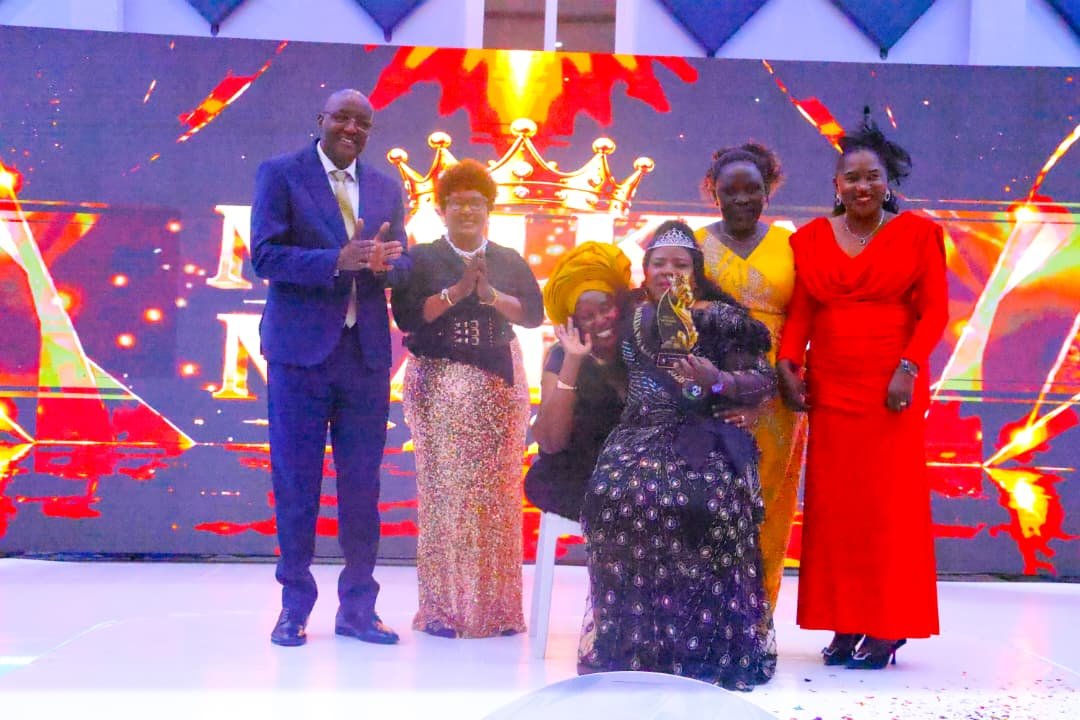
The Government has urged women involved in Tanzania’s mining sector to make effective use of mining areas and licences allocated to them by turning the opportunities into productive mines, growing businesses, employment and sustainable incomes.
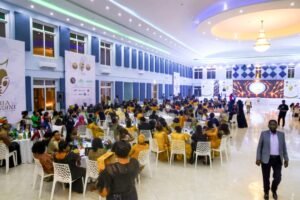
Deputy Minister for Minerals Dr Steven Kiruswa made the call on September 25, 2026, during the Queen of Mining Awards 2026 held at Golden Social Hall in Geita, where he said the government’s objective was not simply to increase the number of licences held by women, but to ensure those licences translate into meaningful economic activity.
Kiruswa said the government was creating an enabling environment for women to participate throughout the mineral value chain, including exploration, extraction, processing, mineral trading, value addition and the provision of services to mining operations.
He said allocating mining areas and issuing licences to women was intended to move them from being ordinary participants in the sector to becoming mine owners, producers, traders and investors.
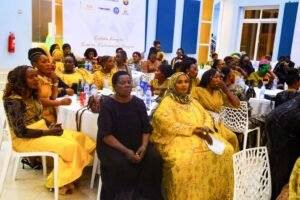
In Geita Region alone, Kiruswa said, 714 women have joined different groups and received small-scale mining licences, creating a platform for increased participation in the sector.
“The objective is not simply to have a large number of licences. We want to see those licences turning into productive mines, growing businesses, jobs and income for citizens,” Kiruswa said.
He said the government was therefore continuing to build the capacity of women and small-scale miners in mining technology, business management, occupational health and safety, environmental protection, mineral value addition and access to markets.
Women who have received mining licences were urged to develop their mining areas in accordance with laws and regulations and to adopt appropriate technologies to improve safety, productivity and sustainability.
Through the Mining for a Brighter Tomorrow (MBT) programme and other initiatives, Kiruswa said the government was seeking to increase women’s participation in the ownership and development of Tanzania’s mineral resources.
He added that the government wanted to see more women progress from participation at small-scale level to becoming mine owners, major producers, investors, traders and competitive service providers both within Tanzania and in international markets.
STAMICO Managing Director Dr Venance Mwasse said the State Mining Corporation would continue supporting women to participate more effectively in the mining industry by providing knowledge, technology and other forms of assistance required to increase productivity and expand their businesses.
Also Read: At Least 41 Dead After Boat Capsizes on Lake Tanganyika on Kigoma
Mwasse said STAMICO, as an institution supporting small-scale miners, would continue working with the government and other stakeholders to create better conditions for women to develop their mining operations, increase production and benefit more from opportunities across the mineral value chain.
The support, he said, is important as Tanzania seeks to ensure that small-scale mining contributes more significantly to local economic development while enabling miners to improve production methods, business practices and market access.
The government’s focus on women’s participation also reflects a broader effort to ensure that the economic benefits of Tanzania’s mineral resources reach a wider section of the population.
Chairperson of the Tanzania Women Miners Association (TAWOMA), Semeni Malale, thanked the Ministry of Minerals and STAMICO for measures aimed at enabling women to own and operate mining businesses.
Malale said the initiatives had opened more opportunities for women and increased their participation in the mining sector.
She called for continued collaboration between the government, STAMICO and TAWOMA to enable more women to benefit from access to mining areas, appropriate technology, capital and markets.
Such support, she said, would help women move beyond participation in mining towards stronger ownership, production and value addition.
The push for greater participation of women comes as Tanzania continues to promote value addition and formalisation within its mining industry, with small-scale miners remaining an important part of mineral production and local economic activity.
Increasing women’s access to licences, technology, finance and markets could also help strengthen their position across the mineral value chain, particularly where miners move from extracting raw minerals to processing, trading and adding value before reaching final markets.
The focus on women’s achievements in the sector was highlighted during the Queen of Mining Awards 2026, where Asha Msangi was declared the overall winner and crowned Queen of Mining 2026.
The award recognised women’s growing visibility in a sector traditionally associated with male participation, while providing a platform to highlight women engaged in different areas of mining and related businesses.
The government said the broader objective is to ensure that recognition is accompanied by practical economic empowerment, with mining licences and other opportunities translating into productive operations, employment, investment and sustainable livelihoods.
For Tanzania’s women miners, the next challenge is therefore not simply gaining access to mining opportunities, but converting that access into commercially viable and sustainable businesses capable of contributing to household incomes, employment and the country’s wider mineral economy.