MWE Correspondent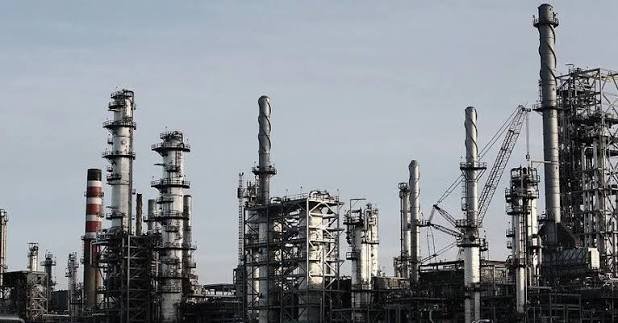
For decades, Africa has remained one of the world’s richest continents in terms of natural resources, yet it has struggled to translate that wealth into broad-based economic prosperity.
Now, African governments are renewing efforts to change that reality by strengthening economic integration, expanding industrial capacity and ensuring that the continent gains greater value from its own resources.
The renewed commitment emerged during the 9th Joint Meeting of the African Union Specialized Technical Committees (STCs) on Finance, Monetary Affairs, Economic Planning and Integration, combined with the 5th Ministerial Meeting on Trade, Tourism, Industry and Minerals, held in Abidjan, Côte d’Ivoire.
The gathering brought together senior government officials, policymakers and economic experts from across Africa to discuss strategies aimed at accelerating industrialization, increasing intra-African trade and positioning the continent as a stronger player in the global economy.
Representing Tanzania at the high-level meeting was Deputy Minister for Finance, Engineer Mshamu Ali Munde, who led the country’s delegation on behalf of Finance Minister Ambassador Khamis Mussa Omar. Tanzania joined other African nations in pushing for policies that promote economic cooperation, investment growth and sustainable development.
The central message from the meeting was that Africa must move beyond being a supplier of raw materials and become a continent that produces, processes and exports finished goods capable of competing internationally.
For generations, many African countries have depended on exporting unprocessed commodities such as minerals, agricultural products and energy resources. While these exports generate revenue, much of the economic value is created outside the continent when raw materials are transformed into manufactured products.
Also Read, Macron’s Africa Reset Tests France’s Lost Influence
African leaders argue that this economic model has prevented countries from maximizing the benefits of their own resources and has limited opportunities for job creation, technology transfer and industrial growth.
The push for value addition has therefore become a key part of Africa’s development agenda. Governments are increasingly calling for investment in factories, processing facilities and manufacturing industries that can transform local resources into high-value products.
A major example is Africa’s mineral sector. The continent holds significant deposits of strategic minerals, including cobalt, lithium, copper, graphite and rare earth elements, which are becoming increasingly important in the global transition toward electric vehicles, renewable energy and advanced technologies.
However, despite controlling a large share of these resources, many African countries continue to export minerals in their raw form while importing finished products at much higher prices.
Economic experts argue that developing local processing industries would allow African nations to capture a larger share of global supply chains and reduce dependence on external economies.
The discussions in Abidjan also placed strong emphasis on the importance of the African Continental Free Trade Area (AfCFTA), which is designed to create a single African market by increasing trade among the continent’s 55 countries.
The initiative represents one of Africa’s most ambitious economic projects, with the potential to connect more than one billion people and create new opportunities for businesses, investors and consumers.
Supporters believe that stronger continental integration could help African countries overcome the limitations of small individual markets by creating larger regional economies capable of attracting major investments.
A manufacturer operating in one African country, for example, could gain access to customers across the continent rather than being restricted to a single national market.
However, achieving this vision will require overcoming major obstacles. These include poor transport networks, high costs of moving goods across borders, inconsistent regulations and limited industrial infrastructure.
African policymakers acknowledge that economic integration cannot succeed through agreements alone. It requires practical investment in roads, railways, ports, digital systems and energy networks that connect economies and support businesses.
The meeting also highlighted the need for greater cooperation between governments and the private sector. African leaders stressed that businesses must be given an environment where they can expand, create jobs and participate actively in regional trade.
Youth employment remains another major issue behind the push for industrial transformation. With Africa having one of the world’s youngest populations, leaders argue that industrial growth is essential to creating millions of new opportunities for young people entering the workforce.
Without sufficient economic opportunities, rapid population growth could increase pressure on governments and deepen existing social challenges.
Beyond economic issues, the drive for integration is also linked to Africa’s desire for greater influence in global affairs. As international competition over resources, technology and markets increases, African nations are seeking a stronger collective voice in negotiations with major economic powers.
Analysts say a more integrated Africa would be better positioned to negotiate investment agreements, protect its economic interests and ensure that foreign partnerships deliver long-term benefits.
The continent’s relationship with external investors has often been debated, particularly in sectors such as mining, where questions remain over whether local communities receive enough benefits from resource extraction.
African governments are increasingly demanding partnerships that include technology transfer, local processing, skills development and greater participation of domestic companies.
The message from Abidjan reflects a broader shift in Africa’s economic thinking: from exporting what the continent has to building what the continent needs.
Rather than remaining only a source of raw materials for global industries, African leaders want the continent to become a center of manufacturing, innovation and economic production.
The road ahead remains challenging, but the ambition is clear. Africa’s economic future will depend on whether its nations can transform political commitments into practical cooperation and ensure that the continent’s wealth becomes a foundation for prosperity.
As global markets continue to evolve, Africa’s greatest opportunity may not simply lie in the resources it possesses, but in its ability to unite, add value and compete on its own terms.