MWE Correspondent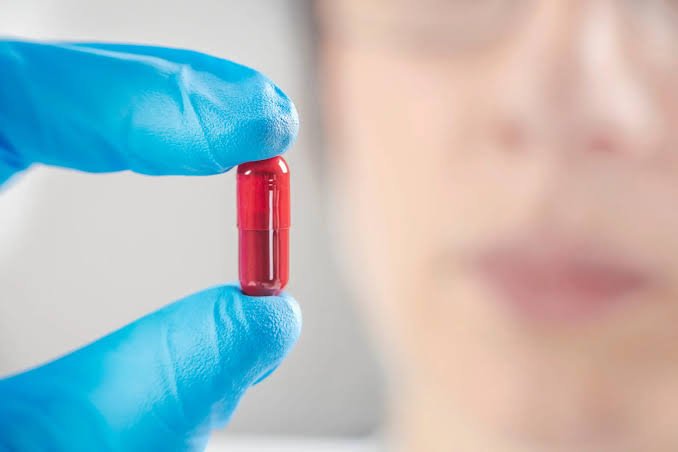
Kenya has been selected to manufacture a potential new once-monthly oral medicine for HIV prevention, placing the country among a small group of African manufacturers preparing to produce the investigational drug before completion of its final clinical trials.
Global pharmaceutical company Merck, known as MSD outside the United States and Canada, has granted royalty-free voluntary licences to seven generic manufacturers to produce and supply alimatravir, also known as MK-8527, if the medicine proves safe and effective and receives regulatory approval.
Kenya’s Universal Corporation Limited (UCL) is among the seven manufacturers selected under the programme. The other African manufacturers are Aspen Pharmacare of South Africa and Quality Chemical Industries Limited of Uganda, while four additional manufacturers are based in India. The licences cover 129 low- and lower-middle-income countries.
The arrangement is significant because the licensing agreements were made while alimatravir remains under Phase 3 clinical development, allowing manufacturers to prepare production capacity, regulatory processes and supply chains ahead of any potential approval.
According to UNAIDS, early licensing could help reduce the time between regulatory approval and availability of the medicine in countries where HIV prevention needs remain high. The agency has stressed that affordability, equitable access and rapid delivery will be critical if the drug proves effective.
Alimatravir is currently being evaluated in Phase 3 trials designed to determine whether it can safely prevent HIV infection when taken once a month.
The EXPrESSIVE-10 trial is being conducted in Kenya, Uganda and South Africa among sexually active women and adolescent girls aged 16 to 30. Kenya’s KEMRI is participating in the international study, which is comparing monthly alimatravir with the existing daily oral PrEP regimen.
A separate Phase 3 study, EXPrESSIVE-11, is also evaluating monthly alimatravir among other populations who could benefit from HIV pre-exposure prophylaxis. Both studies are still recruiting participants, meaning the medicine has not yet been approved for routine HIV prevention.
If successful, alimatravir could become the first once-monthly oral PrEP option, offering an alternative to daily pills and existing long-acting prevention approaches. However, its effectiveness and safety must first be established through the ongoing clinical trials and subsequent regulatory review.
Also Read: Tanzania Backs Africa-Wide Cooperation On Health Security
The licensing agreement comes as Kenya is seeking to expand domestic pharmaceutical manufacturing and strengthen its capacity to produce essential medicines.
Kenya’s Ministry of Health said in September that the government was exploring expanded cooperation with Merck in biotechnology, pharmaceuticals, local manufacturing and skills development.
The ministry said the collaboration could support technology transfer, strengthen local expertise and increase domestic production of health products as part of efforts to build a more resilient and self-reliant health system.
For UCL, participation in the alimatravir programme would give a Kenyan manufacturer the opportunity to prepare for production of a potentially important HIV prevention technology while the medicine is still in development.
The agreement also represents a broader shift toward involving African manufacturers earlier in the development-to-access process rather than waiting until a new medicine receives approval before beginning preparations for large-scale production.
The development comes amid continued efforts to expand access to HIV prevention technologies across Africa.
UNAIDS said about 1.2 million people acquired HIV globally in 2025, while access to oral PrEP remained below global targets. Merck has said its access strategy for alimatravir is intended to support rapid and sustainable availability in low- and middle-income countries if the drug receives regulatory approval.
Kenya’s participation in both the clinical research and potential future manufacturing of alimatravir therefore places the country at two stages of the development process: generating evidence on whether the medicine works and preparing local industrial capacity should it eventually be approved.
Speaking during a high-level side event at the United Nations General Assembly, President William Ruto said African participation in the development and production of new medicines was important for strengthening the continent’s health sovereignty.
The proposed manufacturing arrangements are expected to support faster access if the clinical programme succeeds, although no final decision on the medicine’s approval or commercial availability can be made until the Phase 3 evidence and regulatory assessments are completed.