MWE Correspondent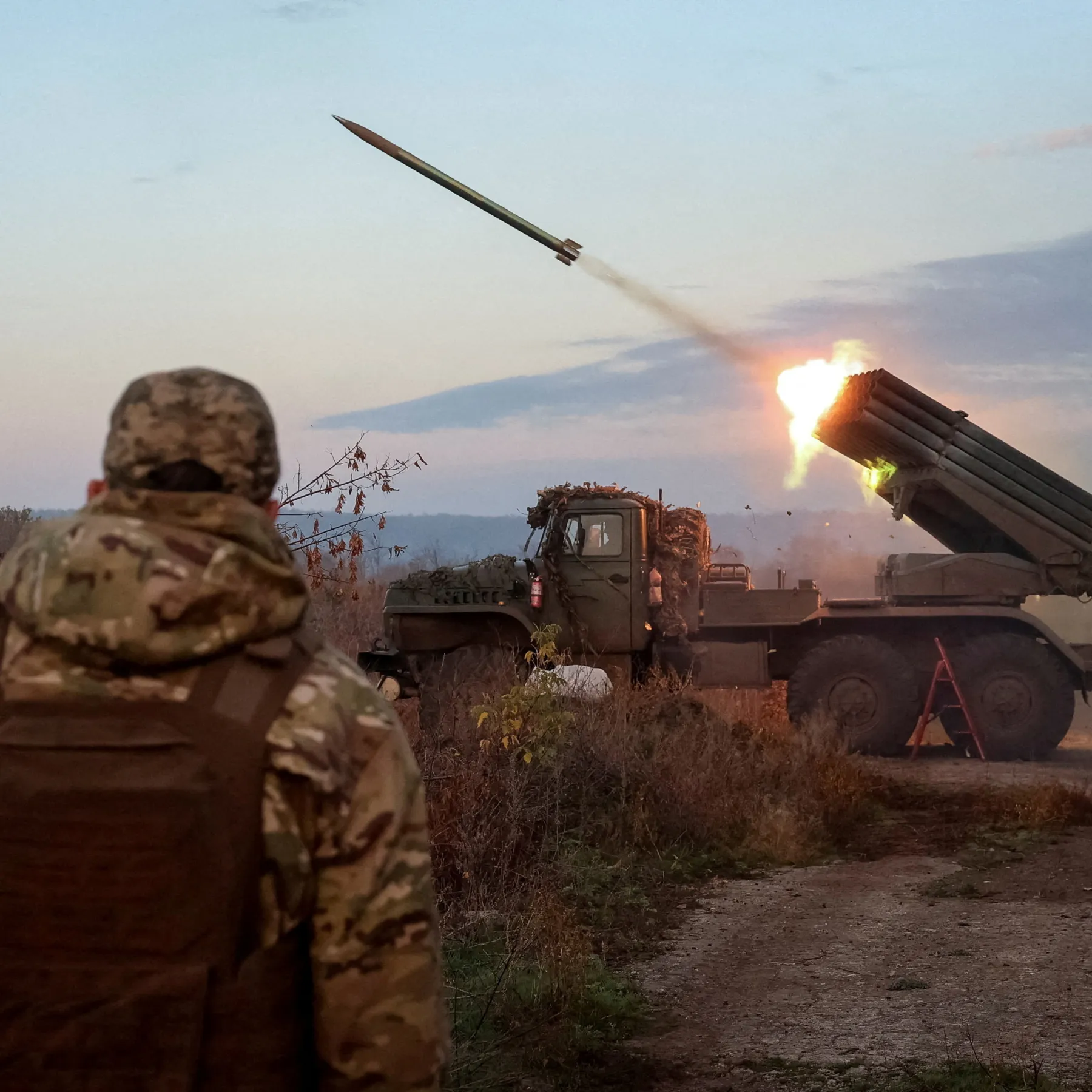
Russia has intensified its summer military offensive across eastern Ukraine, launching one of its most coordinated campaigns of 2026 as Moscow seeks to capitalize on battlefield momentum before the onset of autumn.
The renewed assault, concentrated around the Donetsk region and strategic transport corridors, has become a critical test of Ukraine’s defensive resilience and Western military support.
Russian forces have expanded pressure on several fronts, particularly near Pokrovsk, Kostiantynivka and Kupiansk, where sustained artillery bombardments, drone attacks and infantry advances aim to stretch Ukraine’s already thin defensive lines. Military analysts say Moscow’s strategy is designed less around rapid territorial gains than exhausting Ukrainian manpower and logistics through relentless attrition.
Ukraine, meanwhile, has responded with an increasingly sophisticated combination of long-range drone strikes and precision attacks targeting Russian ammunition depots, command centres and military airfields deep behind enemy lines. Kyiv argues that disrupting Russia’s logistics network remains the most effective way to slow the offensive without committing additional troops to vulnerable frontline positions.
The conflict has also entered a new technological phase. Both armies now deploy thousands of first-person-view (FPV) drones each month, transforming how battles are fought. Cheap, highly maneuverable drones capable of destroying armored vehicles have significantly reduced the effectiveness of traditional battlefield tactics, forcing both sides to constantly adapt.
Despite Russia’s numerical advantage in troops and ammunition, military experts caution that the offensive has come at a considerable cost. Western intelligence assessments indicate that Russian casualties continue to mount even as incremental territorial advances are made. At the same time, Ukraine faces its own growing challenge of recruiting and rotating exhausted frontline units after more than four years of continuous warfare.
Also Read, Hormuz Crisis Sends Global Oil Prices Higher
The geopolitical dimension remains equally significant. European governments have accelerated military assistance packages, viewing Ukraine’s resistance as central to European security. The United States continues to provide intelligence and security assistance while debates persist over the long-term sustainability of military funding and strategic priorities.
Humanitarian conditions continue to deteriorate as fighting intensifies. Thousands of civilians have been displaced from frontline communities, while repeated attacks on energy infrastructure threaten electricity supplies ahead of the colder months. International aid organizations warn that prolonged hostilities are placing additional strain on humanitarian operations across eastern and southern Ukraine.
Diplomatic prospects remain limited. Although several countries have continued advocating for negotiations, both Moscow and Kyiv maintain fundamentally incompatible positions regarding occupied territories and future security guarantees. As a result, analysts believe the war is increasingly shifting from a contest over immediate battlefield victories to a prolonged struggle over economic endurance, industrial capacity and international alliances.
More than three years after Russia launched its full-scale invasion, neither side appears capable of securing a decisive military victory in the near term. Instead, the battlefield is evolving into a war of persistence—one in which technological innovation, foreign support and national resilience may ultimately prove more decisive than territorial gains alone.