MWE Correspondent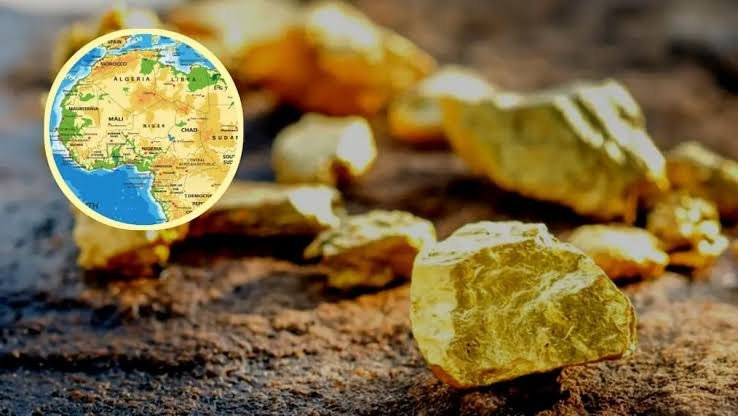
The global race for critical minerals has entered a new phase, and Africa is no longer merely supplying raw materialsit is increasingly shaping the geopolitical contest between the world’s major powers.
From the copper belts of Zambia and the Democratic Republic of the Congo (DRC) to lithium deposits in Zimbabwe and rare earth reserves in Kenya, governments across the continent are demanding greater control over resources that underpin electric vehicles, artificial intelligence, defence systems and renewable energy technologies.
For decades, African nations exported raw minerals while most of the profits flowed overseas through refining, manufacturing and technology industries located elsewhere. That model is now under intense scrutiny. Governments are introducing export restrictions, negotiating tougher mining agreements and insisting that minerals be processed domestically before export, hoping to create industries, jobs and technological capacity rather than remaining suppliers of unprocessed ores.
The strategic importance of these resources has intensified competition between China, the United States and Europe.
China continues to dominate global mineral processing, controlling more than 90 percent of refining capacity for several strategic minerals, including rare earth elements and significant portions of lithium, cobalt and nickel processing. Through decades of investment in African mining projects, transport corridors and processing facilities, Beijing has built an integrated supply chain that many Western governments are now trying to diversify away from.
Washington and its allies have responded by expanding financial support for mining projects outside Chinese-controlled supply chains. Billions of dollars in loans, equity investments and strategic partnerships have been committed to secure access to minerals considered essential for national security and industrial competitiveness. Yet analysts argue that Western governments still lag behind China’s long-term financing model, leaving many projects underfunded despite abundant geological potential.
Also Read, Hormuz Crisis Sends Global Oil Prices Higher
The Democratic Republic of the Congo illustrates both the promise and complexity of Africa’s mineral wealth. As the world’s leading producer of cobalt and the second-largest producer of copper, the country is considering reforms to strengthen state oversight of strategic minerals and increase national benefits. Mining companies, however, warn that rapid regulatory changes could undermine investor confidence, highlighting the delicate balance between national sovereignty and attracting foreign capital.
Meanwhile, Kenya is emerging as a new frontier in the race for rare earth minerals. At the sacred Mrima Hill site, international consortiums from the United States, China and Australia are competing for mining rights over deposits containing minerals crucial for defence technologies, wind turbines and electric vehicles. The project has also ignited debate over environmental protection, indigenous land rights and how mining revenues should be shared with local communities.
The World Trade Organization has warned that the growing global scramble for critical minerals presents both an unprecedented opportunity and a significant risk for Africa. While the continent holds nearly 30 percent of the world’s critical mineral reserves, competition among major powers could intensify conflict, illegal mining and governance challenges if countries fail to strengthen institutions and ensure transparent management of mineral wealth. WTO Director-General Ngozi Okonjo-Iweala has argued that African countries must move beyond exporting raw materials by investing in processing industries and regional value chains
Industry experts increasingly believe Africa’s bargaining power has never been stronger. With demand for lithium, cobalt, graphite, manganese and rare earth elements expected to rise sharply over the coming decades, governments are using resource nationalism, industrial policies and infrastructure negotiations to capture greater value from their natural wealth. The continent is steadily shifting from being viewed as a passive supplier of commodities to becoming a decisive actor in the future architecture of global supply chains.
For investors, policymakers and global manufacturers, the message is becoming unmistakable: the energy transition will not be determined solely in Washington, Brussels or Beijing. Increasingly, its trajectory will be influenced in Kinshasa, Harare, Lusaka, Nairobi and other African capitals where the minerals powering the twenty-first century economy lie beneath the ground.