MWE Correspondent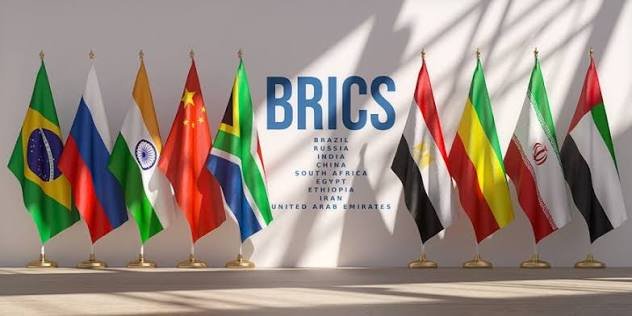
In conference halls where development was once discussed largely by Western-led financial institutions, a different voice is becoming increasingly influential.
It speaks of multipolarity.
It speaks of partnership among developing economies.
And it speaks of giving countries in the Global South more choices about how they finance their future.
Across 2026, the BRICS bloc—comprising Brazil, Russia, India, China, South Africa and its expanded membership—has continued broadening its economic agenda beyond political dialogue. Infrastructure investment, industrial cooperation, development financing and trade have become central pillars of a strategy aimed at increasing the influence of emerging economies within the international financial system.
For many developing countries, particularly in Africa, the shift is attracting close attention.
For decades, major infrastructure financing has largely been associated with traditional multilateral lenders and bilateral development partners.
Today, however, governments have access to a wider range of financing options as new institutions, regional banks and emerging economies expand their international engagement.
The result is a more competitive development landscape.
Countries seeking investment for railways, ports, power generation, digital infrastructure and industrial parks increasingly have multiple partners from which to choose.
Analysts argue that this growing competition could strengthen the negotiating position of developing economies by creating greater flexibility in financing large-scale projects.
Rather than relying on a single source of development capital, governments are increasingly diversifying partnerships to reduce financial risk and improve bargaining power.
This has elevated Development Finance into one of the defining geopolitical issues of the decade.
Development finance is no longer viewed simply as an economic instrument.
It has become an important tool of diplomacy, strategic influence and long-term international partnership.
For BRICS members, expanding development cooperation reflects a broader objective of strengthening South–South collaboration.
Also Read. Africa Courts Gulf Powers For Strategic Investment
Supporters argue that emerging economies often share similar development experiences and can therefore design investment partnerships that better reflect the priorities of developing nations.
The emphasis is increasingly placed on infrastructure, industrialisation, technology, energy and sustainable economic growth.
Africa occupies a central place within this transformation.
The continent’s infrastructure needs remain substantial, while its abundant natural resources, expanding consumer markets and rapidly growing population continue attracting international investors.
Governments across Africa are therefore engaging with a wider range of development partners than at any previous point in recent history.
This growing diversity presents significant opportunities.
Competition among investors may improve financing conditions, accelerate project delivery and encourage greater technology transfer.
At the same time, economists emphasise that successful development depends not only on access to capital but also on sound governance, transparent procurement and careful project selection.
Investment alone cannot guarantee sustainable growth.
Its long-term value depends on how effectively projects contribute to productivity, employment and industrial transformation.
This has strengthened calls for Strategic Partnerships.
Strategic partnerships are increasingly defined not by the size of financial commitments alone, but by their ability to strengthen domestic industries, develop local skills and expand long-term economic capacity.
Many African policymakers argue that future development agreements should create value far beyond construction.
Infrastructure projects should stimulate manufacturing, encourage innovation and integrate local businesses into regional and global supply chains.
The African Continental Free Trade Area (AfCFTA) further strengthens this vision by creating opportunities for infrastructure investments that support continental commerce rather than isolated national markets.
Improved transport, energy and digital connectivity are expected to play a critical role in unlocking the agreement’s full economic potential.
Meanwhile, the broader international environment continues evolving.
As geopolitical competition intensifies, development partnerships are becoming increasingly linked to diplomacy, trade and strategic influence.
Both established and emerging powers recognise that infrastructure financing can strengthen long-term political and economic relationships.
For developing countries, this changing landscape offers greater room for strategic decision-making.
Rather than viewing international partnerships as mutually exclusive, many governments are pursuing diversified relationships designed to maximise investment while preserving national policy independence.
For Africa, that flexibility may become one of its greatest strategic advantages.
The continent is no longer simply a destination for development finance.
It is becoming an active participant in shaping how global development partnerships are negotiated.
As BRICS expands its economic engagement and competition for influence continues to grow, one reality is becoming increasingly clear.
The future of global development will not be determined by who provides the most financing.
It will be shaped by who builds the strongest partnerships—partnerships that create lasting prosperity, respect national priorities and enable developing economies to become equal architects of the world’s next chapter of growth.