MWE Correspondent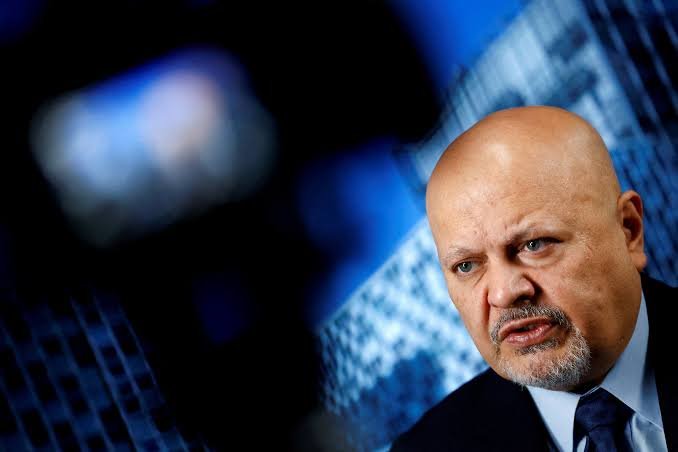
The International Criminal Court (ICC) is facing one of the most serious leadership challenges in its history as member states prepare for a crucial vote on the future of Chief Prosecutor Karim Khan, following an investigation into allegations of sexual misconduct that he has denied.
The vote, expected this month, could determine whether Khan remains at the helm of the ICC’s Office of the Prosecutor or becomes the first sitting chief prosecutor of the court to be removed through such a process.
Khan has strongly rejected the allegations against him, maintaining his position as the investigation continues. The controversy has placed renewed attention on the ICC’s internal accountability procedures and the standards expected from officials leading the institution responsible for prosecuting the world’s gravest crimes.
The ICC was created to hold individuals accountable for genocide, crimes against humanity, war crimes and aggression, but the current crisis has raised broader questions about transparency, institutional governance and maintaining public confidence in international justice.
The development comes at a critical time for the court, which is already facing significant global pressure over high-profile investigations and arrest requests involving leaders and officials from different regions of the world.
Also Read, The Arctic Is Redefining Global Geopolitics
Supporters of accountability argue that international institutions must apply the same standards to their own leadership as they do to those they investigate. However, others warn that leadership disputes within the court must be handled carefully to protect the ICC’s independence and prevent political influence from undermining its work.
Khan’s tenure has included some of the ICC’s most consequential actions, including investigations linked to conflicts in several countries and efforts to strengthen the court’s role in addressing violations of international law.
The upcoming decision by ICC member states will not only determine Khan’s future but could also shape the court’s reputation and credibility as it seeks to maintain its position as a central institution in the global justice system.
With the vote approaching, governments, legal experts and international observers are closely watching whether the ICC emerges from the crisis with strengthened accountability mechanisms or deeper divisions over its leadership and future direction.