MWE Correspondent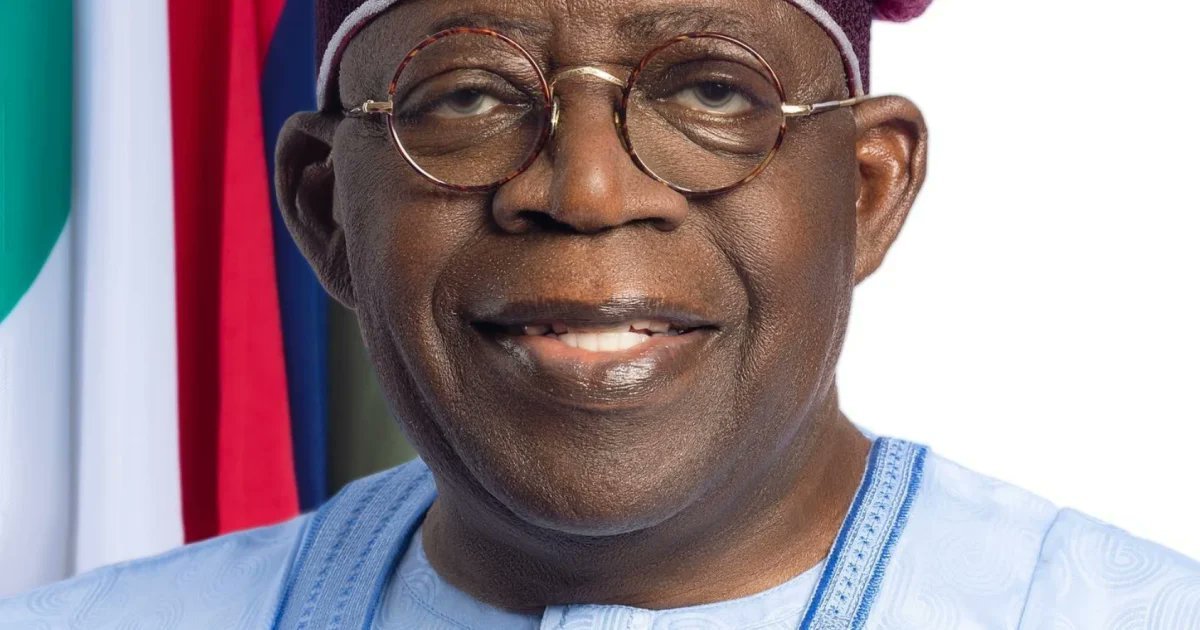
Nigeria’s President Bola Tinubu is set to lead a high-level African initiative aimed at changing how the continent exploits its vast mineral wealth, with a major summit scheduled to take place in New York on September 21, 2026.
Tinubu, who chairs the Africa Minerals Strategy Group (AMSG) General Assembly, will preside over the group’s Third High-Level Roundtable on Critical Minerals Development in Africa, to be held in Manhattan on the sidelines of the 81st session of the United Nations General Assembly.
The meeting is expected to bring together African heads of state and senior government officials, ministers, international investors, development finance institutions, multilateral organisations and executives from the mining, technology and logistics sectors.
Under the theme “From Resources to Wealth: Continental Cooperation for Mineral Value Addition,” the summit will focus on one of Africa’s most persistent economic challenges: how to prevent the continent from remaining primarily an exporter of raw materials while importing products manufactured from its own resources.
The AMSG says the meeting comes at a time when major global economies are competing for reliable supplies of critical minerals needed for electric vehicles, renewable energy systems, advanced manufacturing, artificial intelligence, digital infrastructure and defence technologies.
Africa possesses significant deposits of minerals including lithium, copper, cobalt, graphite, manganese and rare earth elements. These resources are increasingly regarded as strategically important to the global energy transition and the development of emerging technologies.
Also Read: Africa Pushes For Greater Control Of Critical Minerals
Yet the continent has historically captured only a limited portion of the economic value generated by its mineral resources. Large volumes of minerals are exported either in raw form or after limited processing, while refining, manufacturing and the production of finished goods often take place outside Africa.
The AMSG wants to change that model.
According to the group, the New York roundtable will examine strategies for moving African economies beyond the traditional “extract-and-export” approach toward integrated mineral value chains that include processing, refining, manufacturing and regional industrial development.
The initiative also seeks to attract what the AMSG describes as transformative capital, while strengthening cooperation among African countries and increasing the continent’s share of the wealth generated from its natural resources.
The stakes are increasingly geopolitical. As the United States, China, the European Union and other major economic powers seek secure access to critical minerals, Africa is emerging as a central arena in the global competition for resources essential to future industries.
For African governments, the challenge is therefore no longer simply to attract companies to extract minerals. It is to negotiate investment and industrial policies that allow a greater share of the resulting economic activity to remain within the continent.
Tinubu’s leadership of the summit places Nigeria at the centre of that continental conversation. The meeting is expected to explore how African countries can coordinate policies, develop infrastructure, attract investment and build the technical capacity required to establish competitive mineral-processing and manufacturing industries.
If successfully implemented, the strategy could help Africa turn its mineral abundance into a foundation for industrialisation, employment, technological development and stronger economic sovereignty.
The September summit will consequently test whether African governments can move from recognising the continent’s enormous mineral potential to building a coordinated strategy capable of ensuring that Africa does not merely supply the world with critical minerals, but also captures the wealth created from them.