Joseph Isangura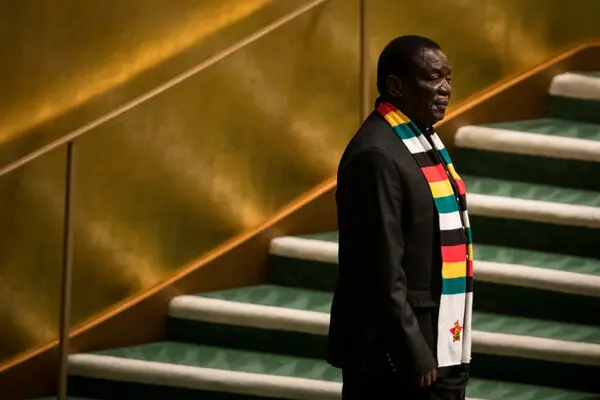
Zimbabwe has entered a new political chapter after President Emmerson Mnangagwa signed into law sweeping constitutional amendments extending his presidency by two years to 2030, delaying the country’s next general election and introducing major changes to how future presidents will be chosen.
The legislation marks one of the most significant constitutional reforms since the country adopted its current Constitution in 2013.
The amendments, approved by both houses of Parliament before receiving presidential assent, extend presidential and parliamentary terms from five years to seven years. The law also introduces a new system under which future presidents will be elected by Parliament rather than through a direct nationwide popular vote, fundamentally changing Zimbabwe’s electoral system.
Government spokesperson Nick Mangwana confirmed the legislation had officially become law after President Mnangagwa signed the bill, describing the process as complete following months of parliamentary debate. Supporters within the ruling Zimbabwe African National Union–Patriotic Front (ZANU-PF) argue the reforms will promote political stability, reduce the cost of frequent elections and allow the government sufficient time to implement long-term economic recovery and infrastructure programmes.
However, the reforms have generated widespread criticism from opposition parties, constitutional lawyers and civil society organisations, which argue that extending the current administration’s mandate weakens democratic accountability and reduces citizens’ ability to directly choose their national leadership. Several legal challenges are expected as critics question whether such fundamental constitutional changes should have required broader public approval.
Also Read. Beyond The Dollar: The New Financial Power Shift
The development also places renewed international attention on President Mnangagwa, one of Africa’s longest-serving political figures. Now 83 years old, he has spent decades at the centre of Zimbabwean politics. Often known by his political nickname “The Crocodile,” Mnangagwa served in several senior government positions under former President Robert Mugabe before assuming the presidency in November 2017 following the military intervention that ended Mugabe’s 37-year rule.
After taking office, Mnangagwa pledged to revive Zimbabwe’s struggling economy, attract foreign investment and restore international confidence following years of economic decline marked by hyperinflation, currency instability and high unemployment. While his administration has introduced economic reforms and sought to improve relations with international partners, many Zimbabweans continue to face rising living costs, persistent inflation and shortages of essential services. Critics also argue that concerns over political freedoms, media independence and human rights remain unresolved.
The constitutional amendments are expected to influence Zimbabwe’s political trajectory for years to come. Analysts say the changes could reshape the country’s electoral system, alter the balance of political power and become a defining issue ahead of the newly scheduled 2030 election.
The decision is also being closely watched across Southern Africa, where constitutional term limits and electoral reforms have become increasingly debated. Regional observers say Zimbabwe’s latest constitutional changes may influence discussions on democratic governance within the Southern African Development Community (SADC), while international partners are expected to monitor how the new legal framework is implemented.
Although the government insists the reforms are designed to ensure continuity and policy stability, opponents maintain that regular elections and direct public participation remain fundamental pillars of democratic governance.