Joseph Isangura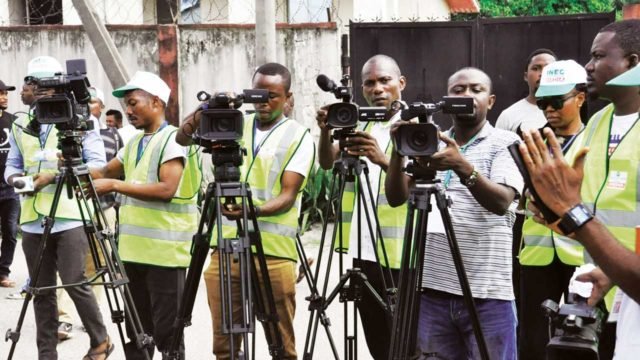
Tanzania has accredited approximately 4,000 journalists in what officials describe as a major step toward strengthening professionalism, ethical reporting and public confidence in the country’s rapidly evolving media sector.
The milestone was announced during the 50th Dar es Salaam International Trade Fair (DITF), popularly known as Sabasaba, where Permanent Secretary in the Ministry of Information, Culture, Arts and Sports, Gerson Msigwa, visited the pavilion of the Journalists Accreditation Board (JAB) and praised its efforts to regulate and professionalise journalism.
Msigwa said the accreditation programme is helping establish a more accountable and credible media industry by ensuring journalists meet recognised professional standards while serving the public with accurate, balanced and ethical reporting.
“The media plays a critical role in informing society, promoting accountability and supporting national development. Strengthening professional journalism is therefore an investment in the country’s democratic and social progress,” he said.
Established under Tanzania’s media regulatory framework, the Journalists Accreditation Board is responsible for registering journalists, issuing accreditation cards, maintaining a national database of media professionals and promoting adherence to the industry’s code of ethics.
Also Read, Beyond The Dollar: The New Financial Power Shift
According to Acting Director General Patrick Kipangula, the board has issued 3,600 accreditation cards during the past 18 months, contributing to the overall registration of approximately 4,000 journalists nationwide.
He said accreditation enables journalists to be formally recognised as professional media practitioners while making it easier for institutions and the public to distinguish qualified journalists from individuals who publish information without professional training or accountability.
“The media industry is changing rapidly because of digital technology. Accreditation helps build professionalism and public trust while encouraging journalists to uphold ethical standards,” Kipangula said.
The board also reported strong public interest during this year’s Sabasaba exhibition, where more than 400 visitors sought information about journalist registration, accreditation procedures and the legal framework governing the profession.
The expansion of Tanzania’s accreditation programme comes as media industries across Africa adapt to profound changes driven by digital transformation. The rise of online news platforms, citizen journalism, artificial intelligence and social media has dramatically increased the speed at which information reaches audiences, while also creating new challenges related to misinformation, disinformation and verification of facts.
Media experts say accreditation alone cannot guarantee quality journalism, but it provides an important foundation for professional accountability by encouraging adherence to ethical standards such as accuracy, fairness, independence and responsible reporting.
The programme also reflects broader efforts by Tanzanian authorities to modernise the country’s media sector through improved training, professional development and institutional capacity. Officials say strengthening journalism is essential for supporting informed public debate, attracting investment and improving access to reliable information in an increasingly digital society.
Tanzania’s media landscape has expanded significantly over the past two decades, with hundreds of radio stations, television broadcasters, newspapers and online platforms now serving millions of citizens. This growth has increased demand for skilled journalists capable of covering complex issues ranging from politics and business to climate change, health, technology and international affairs.
Analysts believe continued investment in journalism education, digital skills and ethical reporting will be crucial as the profession evolves alongside emerging technologies. They argue that collaboration between government, media organisations, academic institutions and civil society will help prepare journalists to meet the demands of a rapidly changing information environment.