MWE Correspondent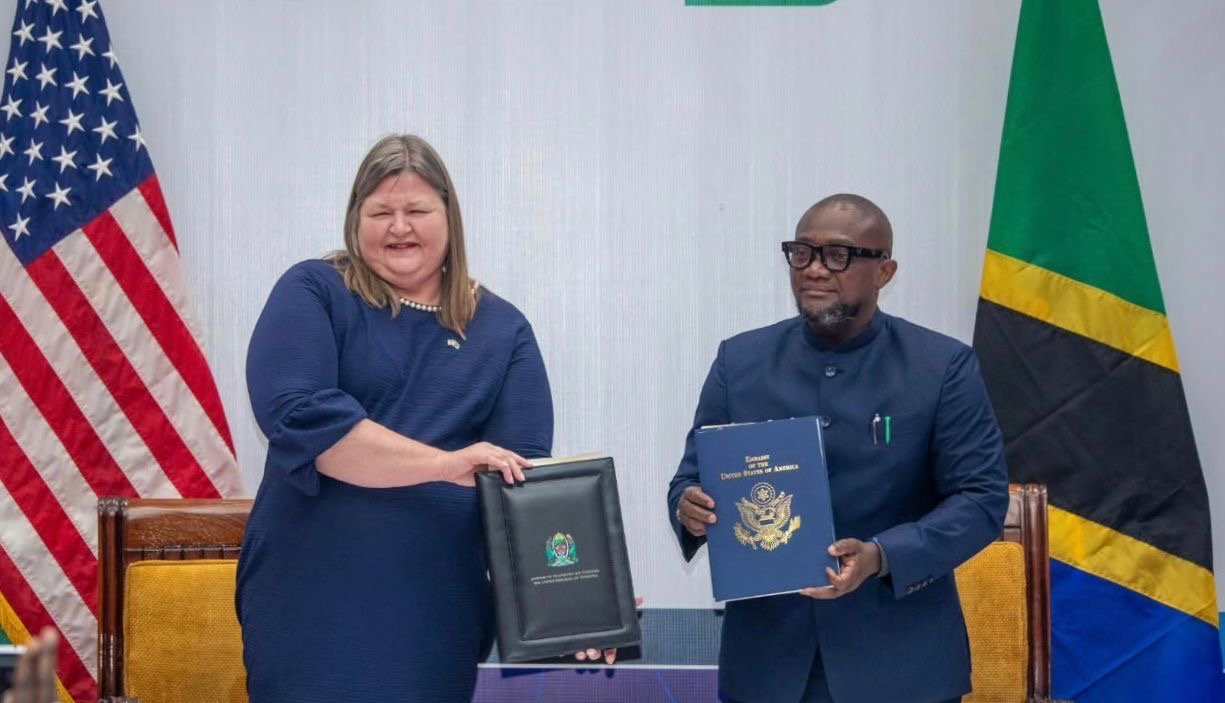
Tanzania has defended its proposed US$3.1 billion health partnership with the United States, insisting it rejected provisions that would have required the country to provide biological specimens, even as questions persist over the contents of the agreement and its implications for national health sovereignty.
Health Minister Mohammed Mchengerwa said Tanzania did not accept clauses requiring the sharing of biological specimens during negotiations under the America First Global Health Strategy (AFGHS).
His remarks came amid growing public debate over the five-year partnership, which is expected to strengthen Tanzania’s health system through investments in disease surveillance, digital health infrastructure, laboratory capacity and national health security.
According to the government, the programme is valued at approximately US$3.1 billion, with the United States expected to contribute about US$1.3 billion and Tanzania providing around US$1.8 billion.
While officials have sought to reassure the public that Tanzania protected its national interests during negotiations, the agreement itself has not been released, leaving key aspects of the partnership unclear.
The absence of the full text has fuelled questions over how health data will be managed under the programme.
Also Read, Critical Minerals Redefine Global Strategic Competition
Among the issues attracting public attention are whether the agreement permits access to or transfer of Tanzanians’ health data, who would be authorised to use such information, what legal safeguards would apply, and whether Tanzanian institutions would retain ownership and control of sensitive data.
The partnership has also prompted discussion about its potential economic impact.
Analysts note that the broader America First strategy places significant emphasis on promoting U.S. technologies and companies, raising questions about how the initiative will support Tanzania’s domestic pharmaceutical industry, digital health companies, biomedical research institutions and local manufacturing capacity.
Some experts argue that greater transparency would help build public confidence by clarifying the rights, obligations and safeguards contained in the agreement.
Government officials, however, maintain that Tanzania secured terms more favourable than those negotiated by some other African countries, describing the outcome as one that protects national interests while expanding access to international investment and technical support.
The proposed partnership comes at a time when Tanzania is seeking to modernise its healthcare system, strengthen preparedness for future disease outbreaks and accelerate the adoption of digital health technologies.
As public scrutiny continues, observers say publication of the full agreement would help clarify outstanding questions and provide a clearer understanding of how the partnership will operate in practice, particularly regarding governance, data protection and long-term benefits for Tanzania’s health sector.
For now, the government’s assurance that biological specimens will not be shared addresses one of the most contentious issues, but broader questions surrounding transparency, oversight and implementation remain at the centre of public debate.