Joseph Isangura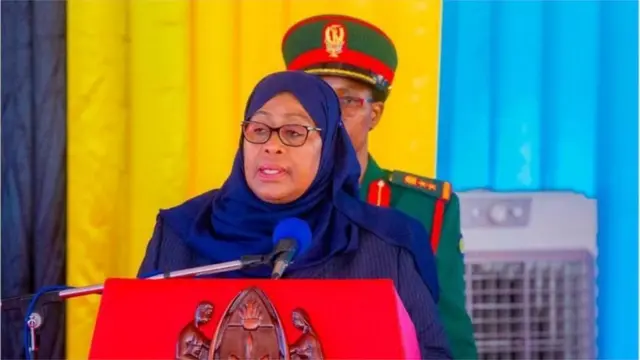
President Samia Suluhu Hassan has issued a stark warning over the growing burden of cancer in Tanzania, urging citizens to undergo regular medical screening as health experts continue to raise concerns about late diagnosis and preventable deaths.
Speaking during the inauguration of a new Radiotherapy Unit at Kilimanjaro Christian Medical Centre (KCMC) in northern Tanzania, President Samia said delayed diagnosis remains one of the biggest obstacles in the fight against cancer, particularly among men who often avoid routine medical examinations.
Her remarks come at a time when cancer is emerging as one of Africa’s most significant public health challenges, placing increasing pressure on healthcare systems already confronting infectious diseases and growing populations.
The President specifically highlighted prostate cancer, warning that many men continue to seek medical help only after the disease has reached an advanced stage.
“I urge men not to be ashamed of getting tested,” she said. “Many report to hospital when prostate cancer has already progressed and the pain has become intense.”
Health specialists say prostate cancer remains one of the leading cancers affecting men across Africa, yet awareness and screening rates remain relatively low in many communities. As a result, thousands of patients are diagnosed when treatment options are more limited and survival chances significantly reduced.
President Samia emphasized that early screening allows individuals to understand their health condition before symptoms become severe, increasing the likelihood of successful treatment and recovery.
The opening of the new radiotherapy facility at KCMC marks another step in Tanzania’s efforts to strengthen specialized healthcare services and reduce the need for patients to travel long distances in search of cancer treatment.
Also Read. Tanzania’s Shilling Revolution Takes On Dollar Era
The facility is expected to expand access to radiotherapy services for patients from northern Tanzania and neighbouring regions, helping to reduce waiting times and improve treatment outcomes.
The President also directed her message to women, encouraging them to take advantage of screening programmes for cervical and breast cancer.
Medical experts have repeatedly identified cervical cancer as one of the leading causes of cancer-related deaths among women in many African countries, despite the fact that early detection and preventive measures can significantly reduce mortality rates.
Globally, health authorities increasingly stress that cancer outcomes depend heavily on how early the disease is identified. Modern treatments have improved survival rates for many forms of cancer, but delayed diagnosis remains a major challenge in low- and middle-income countries.
Tanzania has invested heavily in recent years to improve healthcare infrastructure, expand specialist services and strengthen the fight against non-communicable diseases. However, experts argue that medical facilities alone are not enough.
Public awareness, routine health checks and early diagnosis remain critical components of effective cancer control.
President Samia’s message therefore extends beyond a single hospital inauguration.
It is a call for a cultural shift in how Tanzanians approach preventive healthcare.
As cancer cases continue to rise across Africa, health officials warn that the battle against the disease will not be won solely through advanced medical equipment or new treatment centres. Success will depend on whether citizens embrace regular screening and seek medical attention before illnesses become life-threatening.
For Tanzania, the challenge is clear: turning awareness into action and ensuring that more lives are saved through early detection rather than lost through delayed diagnosis.