MWE Correspondent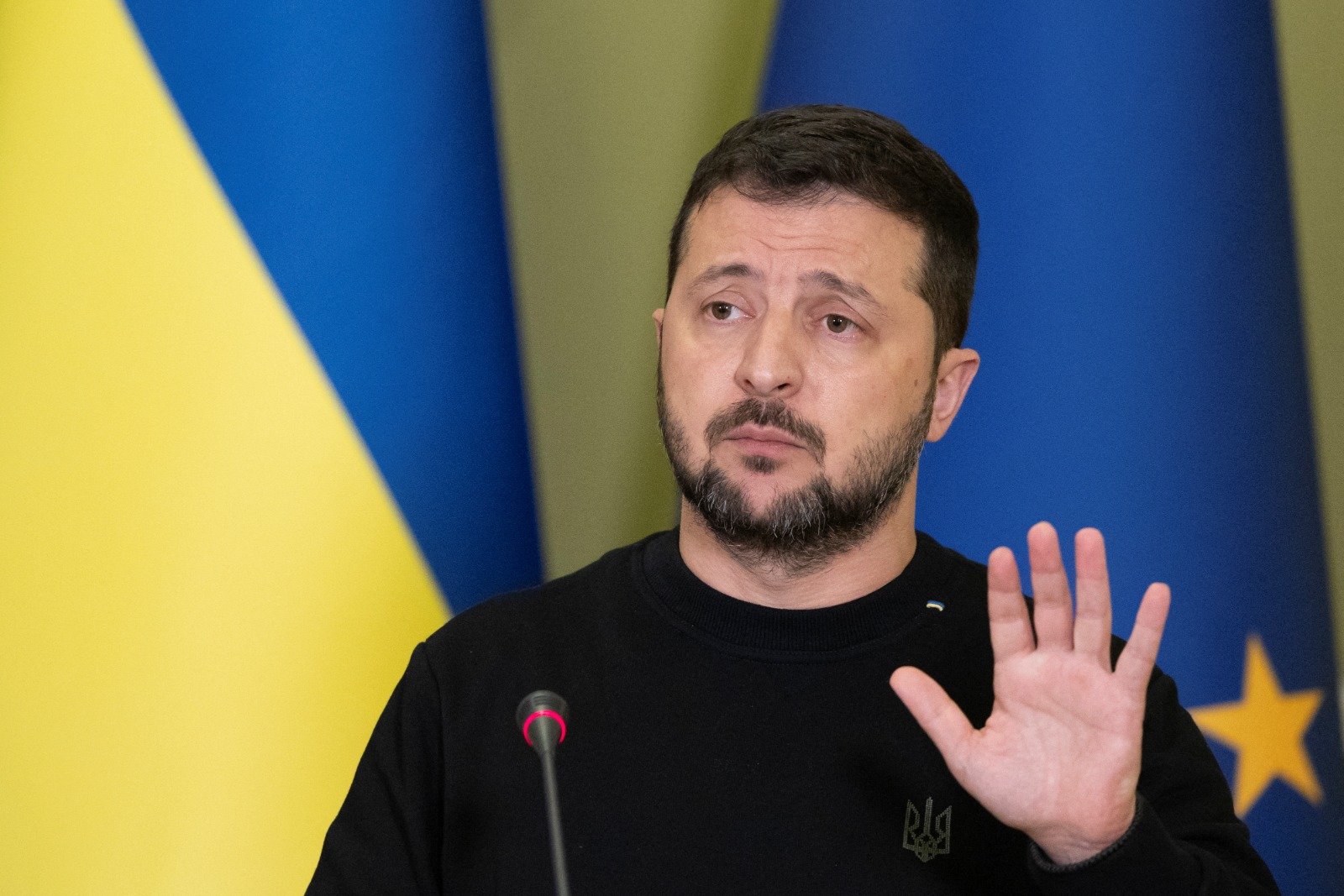
As the war between Russia and Ukraine enters another critical phase, Ukrainian President Volodymyr Zelensky has made a dramatic diplomatic appeal that could reshape the trajectory of Europe’s largest conflict since World War II. In a public letter addressed directly to Russian President Vladimir Putin, Zelensky called for face-to-face negotiations, presenting what many observers see as a fresh attempt to break years of military deadlock and open a path toward peace.
The proposal arrives at a moment when the conflict has reached a dangerous crossroads. Despite repeated international mediation efforts, military operations continue, cities remain under pressure, and millions of lives across both countries have been transformed by a war that has altered the global security landscape. Against this backdrop, Zelensky’s message was both a call for dialogue and a warning that Ukraine remains prepared to continue defending itself should diplomacy fail.
“We are ready for peace,” Zelensky’s position effectively signals to both Moscow and the wider world. Yet the Ukrainian leader also emphasized that any peace process must protect Ukraine’s sovereignty and national interests, underscoring the difficult balance between negotiation and resistance that has defined Kyiv’s strategy throughout the conflict.
The significance of the proposal extends far beyond the battlefield. A direct meeting between Zelensky and Putin would represent one of the most consequential diplomatic encounters in recent years. Such talks could potentially address not only military tensions but also broader issues including security guarantees, humanitarian concerns, reconstruction efforts, and the future stability of Eastern Europe.
Also Read: Moscow Crowns Samia as Africa’s Diplomatic Profile Rises
For ordinary citizens, the stakes could hardly be higher. Families separated by conflict, communities damaged by years of fighting, and businesses struggling under economic uncertainty continue to bear the burden of a war whose effects stretch far beyond the borders of Russia and Ukraine. Across Europe and around the world, governments, investors, and international organizations are watching closely for any sign that meaningful negotiations might finally emerge.
The letter also carries strategic significance. By publicly extending an offer for direct talks, Zelensky has positioned Ukraine as willing to pursue diplomacy while maintaining its defensive posture. The move places renewed attention on Moscow’s next steps and raises new questions about whether both sides might eventually find sufficient common ground to begin serious negotiations.
Global reaction is expected to be intense. The conflict has influenced everything from energy markets and food supplies to military alliances and international trade. Any indication of movement toward dialogue could have implications reaching far beyond the immediate region.
Whether the proposal leads to a historic summit or becomes another chapter in a long diplomatic struggle remains uncertain. What is clear, however, is that Zelensky’s appeal has injected a new element into a conflict that has shaped international politics for years. At a time when the world has grown accustomed to headlines dominated by military developments, the possibility of direct dialogue has once again emerged as a central question.
For now, attention turns to the Kremlin. The world is waiting to see whether Putin responds to an invitation that could either open the door to a new diplomatic chapter or underscore the profound divisions that continue to fuel one of the defining conflicts of the twenty-first century.