MWE Correspondent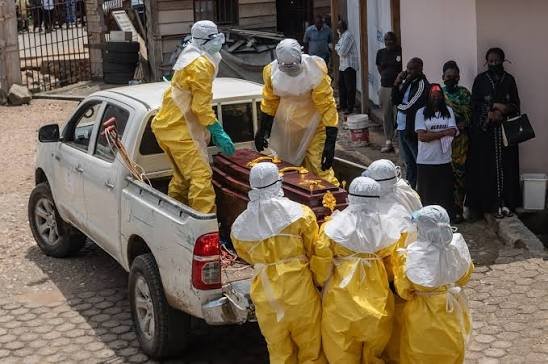
Canada has introduced temporary entry restrictions targeting foreign nationals who have travelled to the Democratic Republic of Congo (DRC) within the previous 21 days, as authorities move to reduce the risk of Ebola spreading into the country.
The measures, which came into effect on July 20, were announced as the DRC continues to battle a worsening Ebola outbreak in its eastern regions, where health authorities have reported more than 2,100 infections and over 800 deaths.
Canadian officials said the restrictions are a precautionary public health measure designed to strengthen border protection and prevent potential imported cases. However, authorities maintained that the current risk of Ebola transmission inside Canada remains low.
Under the new rules, foreign nationals with recent travel history to the DRC will generally be refused entry unless they fall under specific exemptions, including certain individuals whose circumstances are protected under Canadian regulations.
The decision places Canada among countries taking additional border measures in response to the outbreak, following similar action by the United States, which has also strengthened travel controls linked to the Ebola situation.
However, the move has drawn attention because it differs from the position of the World Health Organization (WHO), which has repeatedly advised countries against imposing broad travel and trade restrictions during Ebola outbreaks.
The UN health agency argues that travel bans can create unintended consequences, including discouraging affected countries from reporting outbreaks transparently, delaying international assistance and increasing stigma against communities experiencing health emergencies.
Also Read, ICC Faces Historic Showdown Over Karim Khan’s Future
Health experts have warned that controlling Ebola requires a coordinated global response focused on disease surveillance, rapid testing, treatment capacity, vaccination programmes and support for affected communities rather than measures that isolate outbreak-hit countries.
The latest restrictions come as eastern DRC faces continued public health challenges, with authorities and international partners working to contain transmission in affected areas while maintaining humanitarian access to vulnerable populations.
Canada’s decision highlights the difficult balance governments face during international health emergencies: protecting domestic populations while ensuring that responses do not undermine global cooperation needed to stop outbreaks at their source.