Joseph Isangura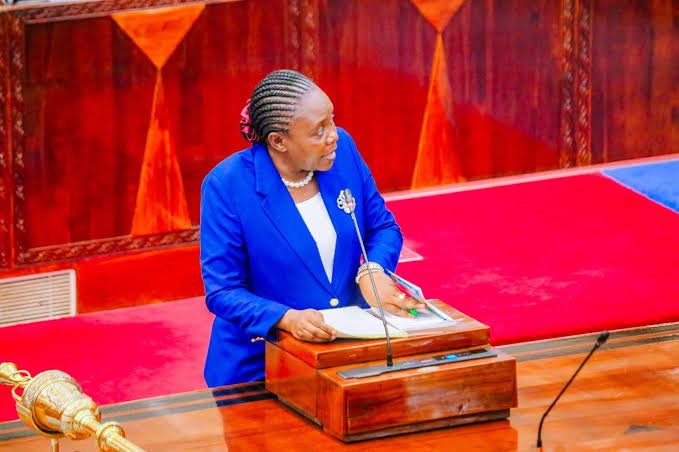
Tanzania has reported a significant decline in sexual violence cases nationwide, with government figures showing a drop in reported incidents across all genders over the past year amid intensified efforts to combat abuse and strengthen protection systems for vulnerable groups.
Speaking during an update on social welfare and public protection initiatives, Minister for Community Development, Gender, Women and Special Groups Dr. Dorothy Gwajima said official data from the Ministry of Home Affairs and the Tanzania Police Force indicate that reported sexual violence cases fell from 12,749 in 2024 to 11,625 in 2025.
The figures emerge at a time when governments across Africa and globally continue facing mounting pressure to address gender-based violence, child abuse, and sexual exploitation through stronger legal enforcement, education campaigns, and survivor-support systems.
Tanzanian authorities say the reduction reflects expanded collaboration between law enforcement agencies, community organizations, schools, healthcare institutions, and advocacy groups working to improve awareness, reporting mechanisms, and early intervention programmes.
Over recent years, the government has intensified national campaigns aimed at protecting women, children, and marginalized groups from abuse while encouraging communities to report violence and support survivors seeking justice.
Officials also credit increased public education initiatives, social welfare programmes, and strengthened cooperation between police and local leaders for contributing to the decline in reported incidents.
Despite the encouraging figures, experts and human rights organizations caution that sexual violence remains one of the most underreported crimes globally, with social stigma, fear, economic vulnerability, and limited access to legal support often discouraging victims from coming forward.
Advocates warn that statistical declines alone do not necessarily reflect the complete reality on the ground, emphasizing the need for continued investment in prevention, legal accountability, mental health services, and survivor protection systems.
The latest data has nonetheless been viewed by some analysts as an important indicator of progress within Tanzania’s broader efforts to strengthen social protection policies and address violence affecting vulnerable populations.
Also Read: South Africa Reopens Ramaphosa Corruption Inquiry
International organizations monitoring gender equality and child protection across Africa have repeatedly highlighted the importance of reliable reporting systems and coordinated institutional responses in reducing long-term patterns of abuse.
Observers say Tanzania’s latest figures are likely to attract regional attention as African governments continue searching for more effective strategies to confront sexual violence and improve public confidence in justice and protection systems.
For many communities, however, the issue extends beyond statistics alone. Behind every reported case are individuals and families affected by trauma, social stigma, and long-term psychological consequences that often continue long after legal processes end.