Joseph Isangura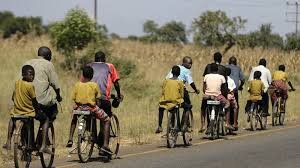
A sharp increase in bicycle transport fares across rural Tanzania is exposing the deepening economic strain facing ordinary citizens as inflation and rising living costs continue to ripple through communities dependent on informal transport networks.
In several districts of the Simiyu Region, including Maswa, Bariadi, and Meatu, bicycle operators have doubled fares for short-distance trips from Sh500 to Sh1,000, triggering concern among residents who rely on the service for daily movement between villages, markets, schools, and health centers.
The decision, announced by operators over the weekend, reflects mounting pressure from higher living expenses that workers say have made survival increasingly difficult. Although bicycles do not consume fuel directly, operators argue that rising fuel prices have pushed up the cost of spare parts, food supplies, repairs, and transportation of goods, leaving them with no option but to raise charges.
For many residents, the increase represents more than a transport issue. It is becoming a symbol of the growing financial hardship affecting low-income families across parts of East Africa, where informal transport systems remain critical to rural economies.
“We understand passengers are struggling, but we are struggling too,” said one operator in Maswa town. “Everything costs more now. From bicycle repairs to meals at home, prices have changed completely.”
Passengers in affected districts say the fare hike is placing additional pressure on households already battling inflation and unstable incomes. Farmers, small traders, students, and casual laborers are among those most affected, with some residents warning that transport costs are beginning to consume a significant share of their daily earnings.
Also Read; Netanyahu Warns Enemies After Beirut Strike
Across rural Tanzania, bicycles remain one of the most accessible and affordable forms of transport, particularly in communities with limited road infrastructure and scarce public transit options. In many villages, bicycle operators serve as the primary means of reaching clinics, schools, and local business centers.
Economic observers say the developments in Simiyu reflect wider regional challenges linked to global energy prices and supply chain pressures. Even sectors that do not directly depend on fuel often experience indirect inflation as transportation and distribution costs rise throughout the economy.
The growing frustration among residents comes amid broader concerns over the rising cost of living across African economies, where food prices and transport expenses have increased steadily over recent years. Analysts warn that continued inflation could further widen economic inequality and intensify pressure on vulnerable households.
Despite public criticism, transport operators insist the fare adjustment is necessary to keep their businesses operating. Many say their previous earnings no longer covered even basic household expenses, forcing them to choose between increasing fares or abandoning the trade altogether.
The situation unfolding in Tanzania’s rural districts highlights a difficult reality facing millions across developing economies: as inflation climbs, even the simplest and most traditional services are becoming harder to afford.