MWE Correspondent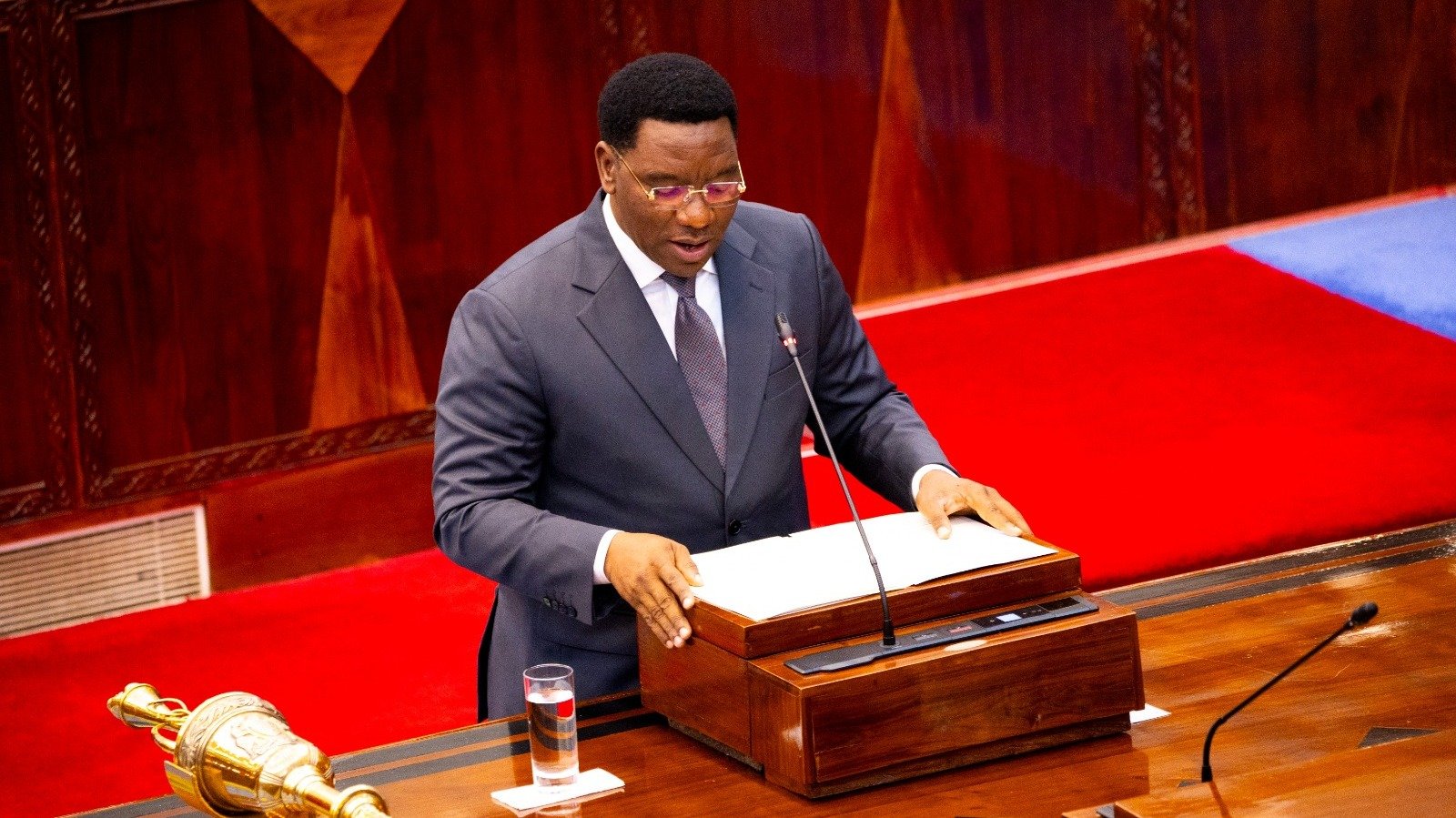
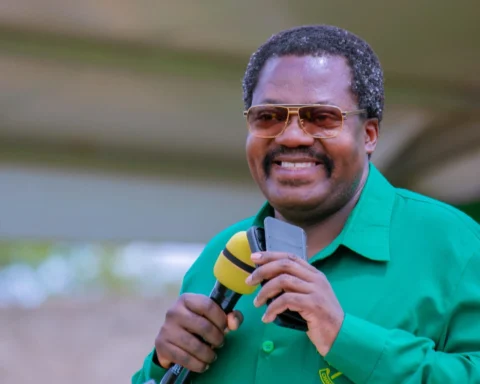
Tanzania’s Minister for Information, Culture, Arts and Sports, Paul Makonda, has called on journalists in Tanzania to exercise greater responsibility in their reporting and to avoid publishing content that, in his view, may discourage citizens or undermine national morale.
He made the remarks on May 4 in the National Assembly in Dodoma while responding to parliamentary debates on the proposed budget estimates for the Ministry of Information, Culture, Arts and Sports for the 2026/27 financial year.
Makonda told lawmakers that the media plays a critical role in shaping public perception and national cohesion, stressing that journalists should ensure their reporting contributes positively to national development objectives.
He emphasized the importance of balanced reporting across print, broadcast, and digital platforms, stating that journalism should inform the public while also being mindful of its broader social impact.
“Journalism must inform society accurately, but it must also take into account the potential effects of its content on national unity and development,” he said.
His remarks have since sparked debate among media practitioners and stakeholders, with concerns raised over the potential implications for press freedom and editorial independence.
Media rights observers, including organizations such as Reporters Without Borders, have previously cautioned that statements by public officials urging restraint in media reporting can, in some contexts, be perceived as exerting indirect pressure on journalists.
Journalists’ associations and media professionals in Tanzania are expected to respond to the comments, as discussions continue regarding the appropriate balance between responsible journalism and freedom of expression.
Also Read; Botswana–South Africa Crisis Over Migrant Abuse
The issue arises at a time when Tanzania’s media sector is undergoing significant transformation, driven by the rapid growth of digital platforms and increased citizen participation in news production. This evolving landscape has intensified public debate on journalistic ethics, misinformation, and regulatory frameworks.
Government officials, however, maintain that their intention is not to restrict press freedom, but rather to encourage reporting that supports national unity, development priorities, and social stability. Makonda also underscored the importance of strengthening the country’s creative and cultural industries, noting their growing contribution to employment and economic growth.
Following the parliamentary session, he met with senior officials and leaders of institutions under his ministry in Dodoma, where he reiterated the need for improved coordination in public communication and media engagement.
Analysts note that the remarks reflect a broader and ongoing global debate on the relationship between governments and the media, particularly in developing democracies where digital transformation is reshaping information flows.