MWE Correspondent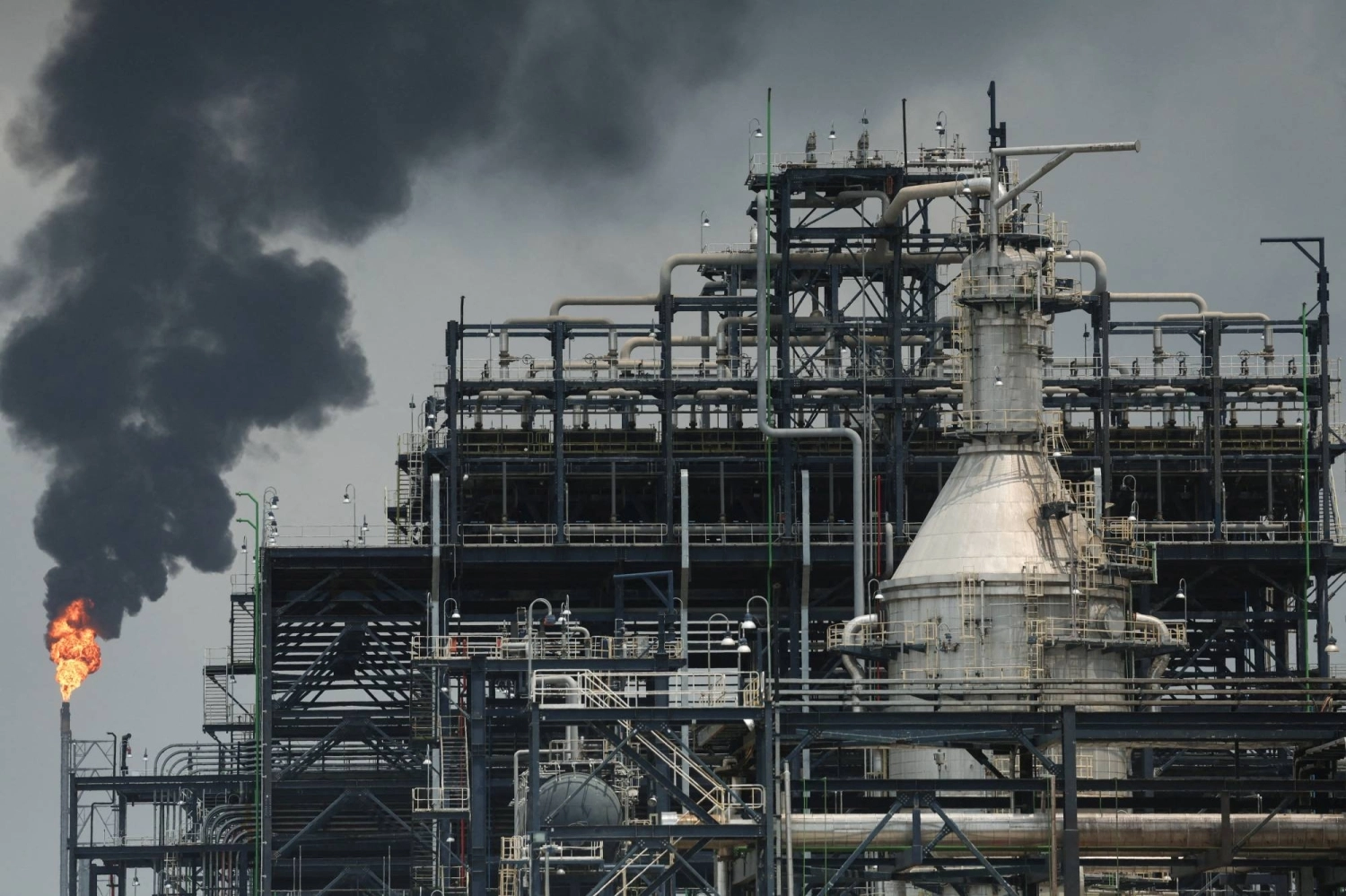
Across Africa, a striking contradiction continues to define the energy landscape: a continent rich in crude oil resources remains heavily dependent on imported fuel.
This imbalance, often described as an “energy paradox,” is drawing increasing attention from policymakers, economists, and industry experts who warn that it reflects deeper structural challenges.
Despite producing millions of barrels of crude oil each day, many African nations lack sufficient domestic oil refining capacity. As a result, crude oil is exported to international markets, only to return in the form of refined petroleum products such as petrol, diesel, and jet fuel—often at significantly higher prices. This cycle has kept fuel costs elevated and exposed economies to global price volatility.
The issue has become a central topic in regional discussions involving blocs such as the Southern African Development Community and the East African Community, where leaders are increasingly questioning how a resource-rich continent remains so dependent on external supply chains.
At the heart of the problem lies a complex mix of financial, technical, and policy-related barriers. Building a refinery requires billions of dollars in investment, alongside long-term planning and stable regulatory environments. For many countries, these conditions are difficult to guarantee. Smaller or fragmented domestic markets further complicate matters, making it challenging to sustain large-scale refining operations profitably.
In addition, inconsistent government policies and political uncertainty in some regions have discouraged investors who might otherwise support the development of refining infrastructure. Without clear, stable frameworks, long-term energy projects carry higher risks, limiting progress in expanding local capacity.
The case of Angola illustrates this challenge vividly. As one of Africa’s leading oil producers, Angola generates substantial crude output, yet it still imports a significant portion of its refined fuel—estimated at around 70 percent. This reflects a broader continental reality: the presence of natural resources alone does not guarantee industrial capability or energy independence.
Also Read; US Eases Sanctions to Stabilize Global Oil Prices
Analysts also point to global market dynamics as a contributing factor. International refining hubs, particularly in Asia and Europe, benefit from economies of scale, advanced technology, and established supply chains. Competing with such systems requires not only capital but also technical expertise and coordinated regional strategies.
However, there are signs of gradual change. Some African countries are exploring investments in new refineries and upgrading existing facilities in an effort to reduce reliance on imports. There is also growing recognition of the need for regional cooperation, where countries can pool resources and create integrated energy markets to support sustainable refining operations.
At the same time, the conversation is evolving alongside global shifts toward cleaner energy. While fossil fuels remain critical to Africa’s development in the near term, governments are increasingly balancing immediate energy needs with long-term sustainability goals linked to renewable energy.
Ultimately, the continent’s energy paradox underscores a larger economic question: how to transform resource wealth into broad-based industrial growth. Until Africa can significantly expand its refining capacity and strengthen its energy infrastructure, the cycle of exporting crude and importing fuel is likely to persist—continuing to shape both economic policy and everyday life across the region.