MWE Correspondent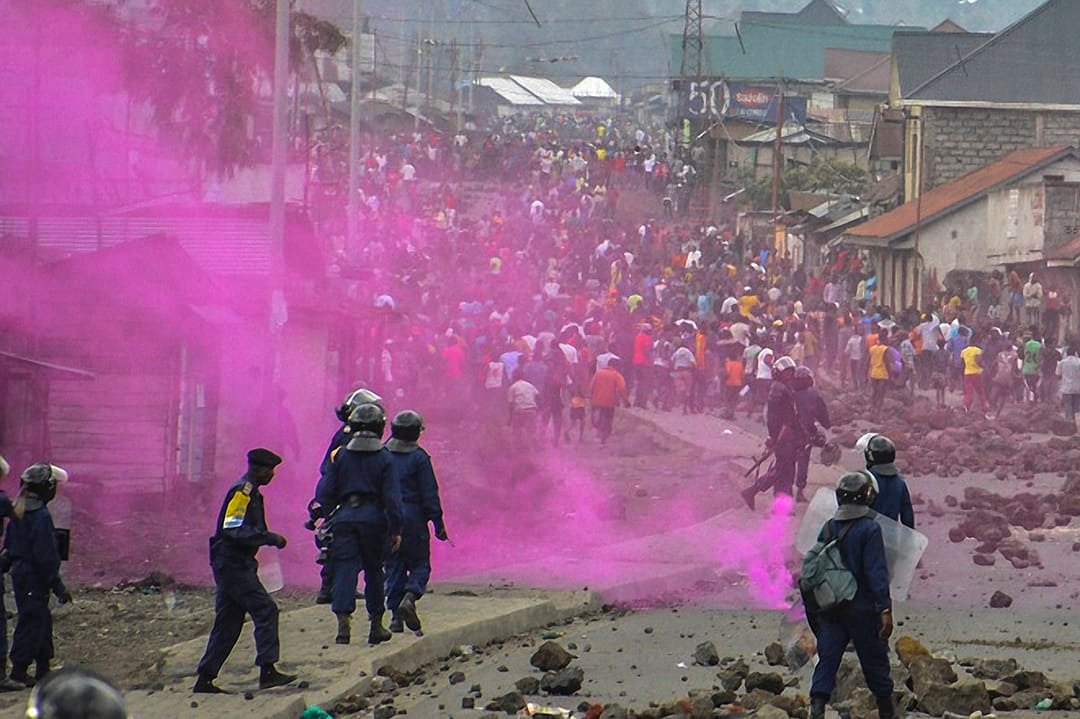
Dozens of internally displaced people from the conflict-affected eastern regions of the Democratic Republic of the Congo have staged a protest in Lubumbashi, raising alarm over worsening humanitarian conditions and the lack of urgent assistance.
The demonstrators, mainly from North Kivu and South Kivu, say they fled ongoing violence in the country’s eastern provinces but are now facing severe hardship after arriving in Lubumbashi, one of the country’s largest cities.
On Wednesday, the group gathered in a peaceful demonstration, calling on authorities and humanitarian organizations to provide immediate relief, including food, shelter, and medical support. Many described their situation as desperate, saying they have been left to survive without structured assistance.
The protesters included men, women, and children displaced by persistent insecurity linked to armed groups operating in eastern Congo. The ongoing violence has forced families to abandon homes, livelihoods, and access to essential services.
The crisis in eastern Congo remains one of the most severe humanitarian emergencies globally. Armed conflicts involving groups such as the M23 rebel group have forced hundreds of thousands of civilians to flee their homes, often multiple times.
Human rights organizations warn that the situation continues to deteriorate, with millions of people internally displaced across the country. The internal displacement crisis has been driven by years of violence, instability, and limited state control in affected regions.
Despite relocating to relatively safer cities such as Lubumbashi, many displaced families struggle to access basic services. Aid agencies have repeatedly highlighted gaps in humanitarian response, particularly as new waves of displacement continue to overwhelm existing support systems.
Some protesters said they had hoped to find stability and assistance after fleeing conflict zones, but instead encountered neglect and economic hardship. Without formal support structures, many are forced to rely on informal networks or survive on minimal resources.
The demonstration underscores growing frustration among displaced communities, who say their plight is being overlooked despite the scale of the crisis. Analysts note that while international attention often focuses on active conflict zones, the conditions facing displaced populations in urban centers are equally urgent.