MWE Correspondent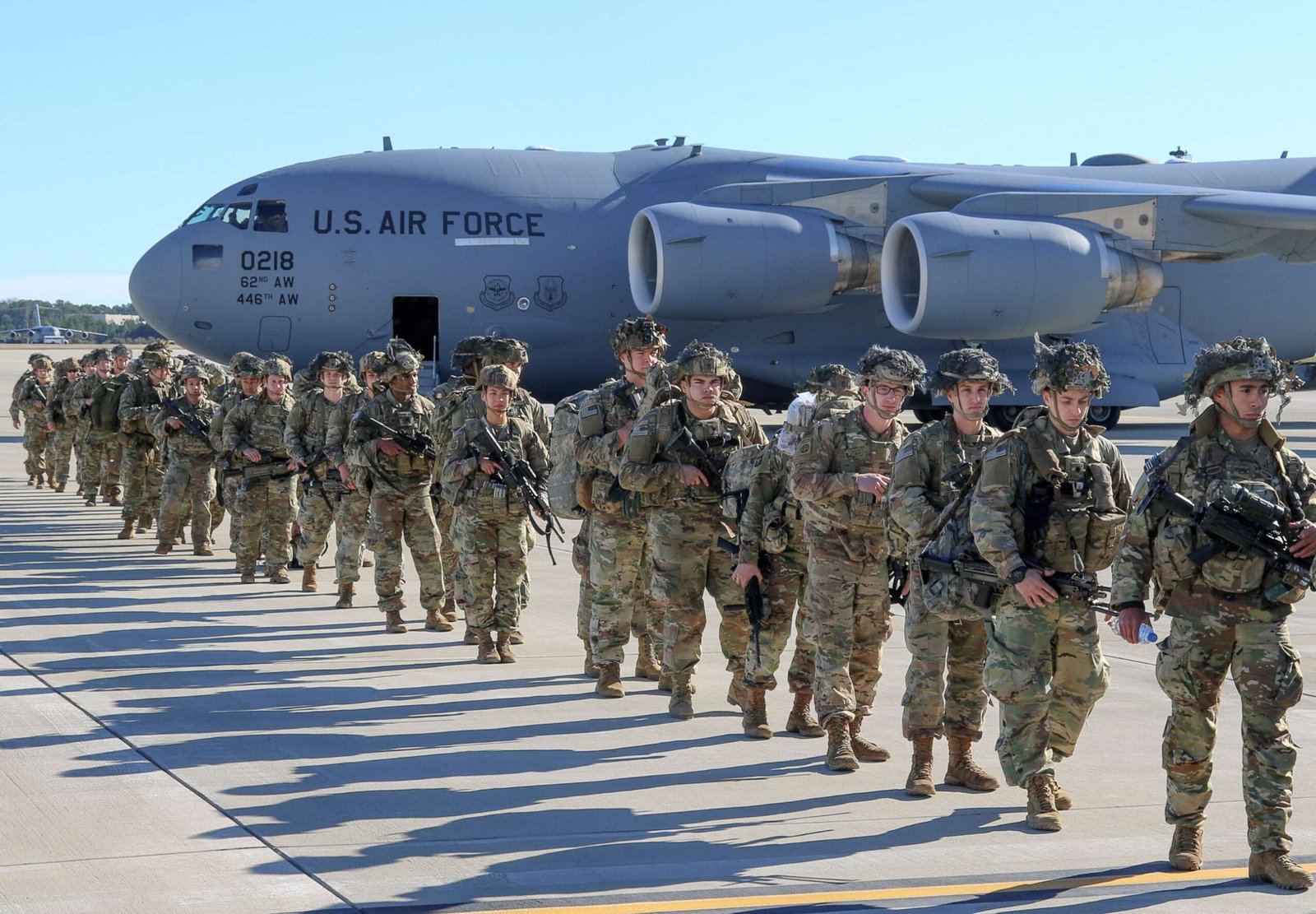
On Monday, March 2, the Pentagon released images of U.S. military aircraft, including long-range B-1 bombers, conducting exercises as reports of ongoing airstrikes in Iran continued to circulate.
The timing of the release highlights rising concerns over the stability of the Middle East and the potential for the conflict to escalate beyond the region.
The photos depict multiple aircraft in formation, carrying out simulated bombing runs and other tactical maneuvers over secure training areas. Pentagon officials emphasized that while these exercises are part of standard operational readiness, the timing coincides with recent U.S. military operations targeting strategic infrastructure in Iran. These measures are intended to maintain preparedness while demonstrating U.S. capability to respond to potential threats.
The B-1 bomber, prominently featured in the images, is a long-range strategic aircraft capable of delivering precision strikes across vast distances. Its role in U.S. defense strategy includes both deterrence and operational flexibility in volatile regions.
The Pentagon’s release serves multiple purposes. Beyond showcasing readiness, it sends a subtle signal to both allies and adversaries in the region. Military analysts note that such demonstrations are common during periods of heightened tension, particularly when conflicts risk spreading or when multiple nations’ forces operate in close proximity. The visual documentation of aircraft and drills reassures allies of continued support while cautioning adversaries about the U.S.’s capacity for rapid action.
Read More; Middle East Conflict Deepens After Renewed Strikes
The current situation in the Middle East involves complex dynamics, with U.S. operations linked to tensions with Israel, Iran, and other regional actors. Security experts warn that even routine exercises can be misinterpreted during volatile periods, increasing the risk of miscalculation. Coordination between U.S. forces, regional partners, and local authorities remains critical to preventing unintentional escalation.
While no new strikes were reported directly linked to the exercise itself, the images underscore the high-alert environment in which U.S. forces operate. They reflect ongoing efforts to maintain strategic advantage, deter aggression, and respond swiftly to emerging threats. The Pentagon stressed that all exercises were conducted safely, with crew and aircraft accounted for.
Observers emphasize that the release also serves as a reminder of the interconnected nature of modern conflicts. Movements of military assets, even for training purposes, can influence political and security calculations across multiple countries. By publicly sharing these images, the Pentagon reinforces both operational transparency and its broader strategic posture in the region.
As tensions persist, analysts continue to monitor developments closely, noting that actions taken today—whether exercises, deployments, or public messaging—can shape the trajectory of security and diplomacy in the Middle East for weeks to come.