Joseph Isangura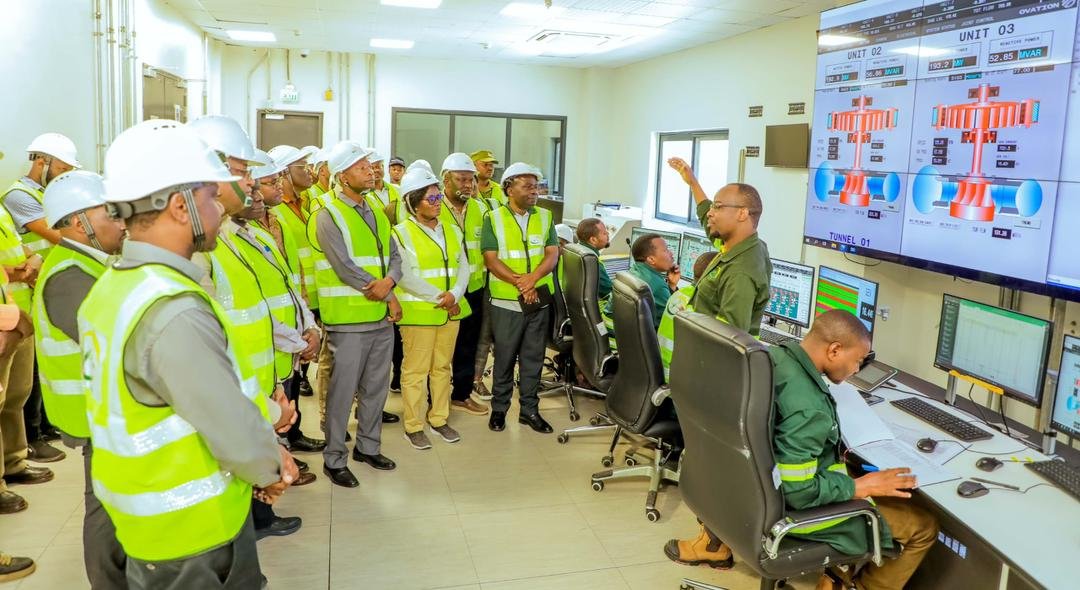
A government oversight committee has expressed satisfaction with the progress and performance of the Julius Nyerere Hydropower Project following an official inspection visit conducted on February 26, 2026.
The visit focused on evaluating electricity production, infrastructure readiness, and the broader economic impact of the project, one of the largest energy developments in East Africa.
The committee reported that the project has been implemented effectively and meets the expected technical and quality standards relative to the public investment involved. Officials noted that the dam is already contributing significantly to national electricity generation, strengthening grid reliability and expanding access to power across the country. The project, known internationally as the Julius Nyerere Hydropower Project, is located along the Rufiji River and is considered a key driver of long-term energy security.
Since becoming operational, the project has played a major role in increasing electricity generation capacity. Just a few years ago, national output levels were far lower, but recent investment in large-scale infrastructure has pushed generation capacity to more than double its earlier levels. This increase is expected to support industrial expansion, improve public services, and encourage new investment in energy-dependent sectors.
During the inspection, the committee also reviewed progress at a major receiving and distribution facility that transmits electricity from the dam to other regions. The facility is now operational and forms a critical part of the country’s electric power transmission network, ensuring that electricity generated at the dam can be delivered efficiently to homes, industries, and businesses across long distances.
Transmission line construction linked to the project is continuing, with several major routes already at advanced stages. These connections are expected to further stabilize the national grid and extend reliable electricity to new areas, particularly those that previously experienced limited access to power. Energy specialists emphasize that strong transmission infrastructure is essential for ensuring consistent supply and reducing power interruptions.
Committee members emphasized that the hydropower project represents more than just an energy investment. By increasing electricity availability, it is expected to stimulate economic growth in sectors such as manufacturing, transportation, and small enterprises. Reliable electricity also plays an important role in strengthening essential services, including education and healthcare, particularly in developing regions.
The project is also expected to enhance the country’s position in regional power sharing initiatives. With increased generation capacity, there is growing potential for cross-border electricity trade within East and Central Africa. Broader information on global energy expansion and infrastructure can be found through international energy development resources, which highlight the importance of reliable power in supporting economic transformation.
At the conclusion of the visit, the committee stated that the project demonstrates how strategic infrastructure investment can contribute to long-term national development. Officials indicated that continued expansion of the energy sector will remain a priority as demand for electricity continues to rise, with further inspections expected as part of ongoing oversight.