MWE Correspondent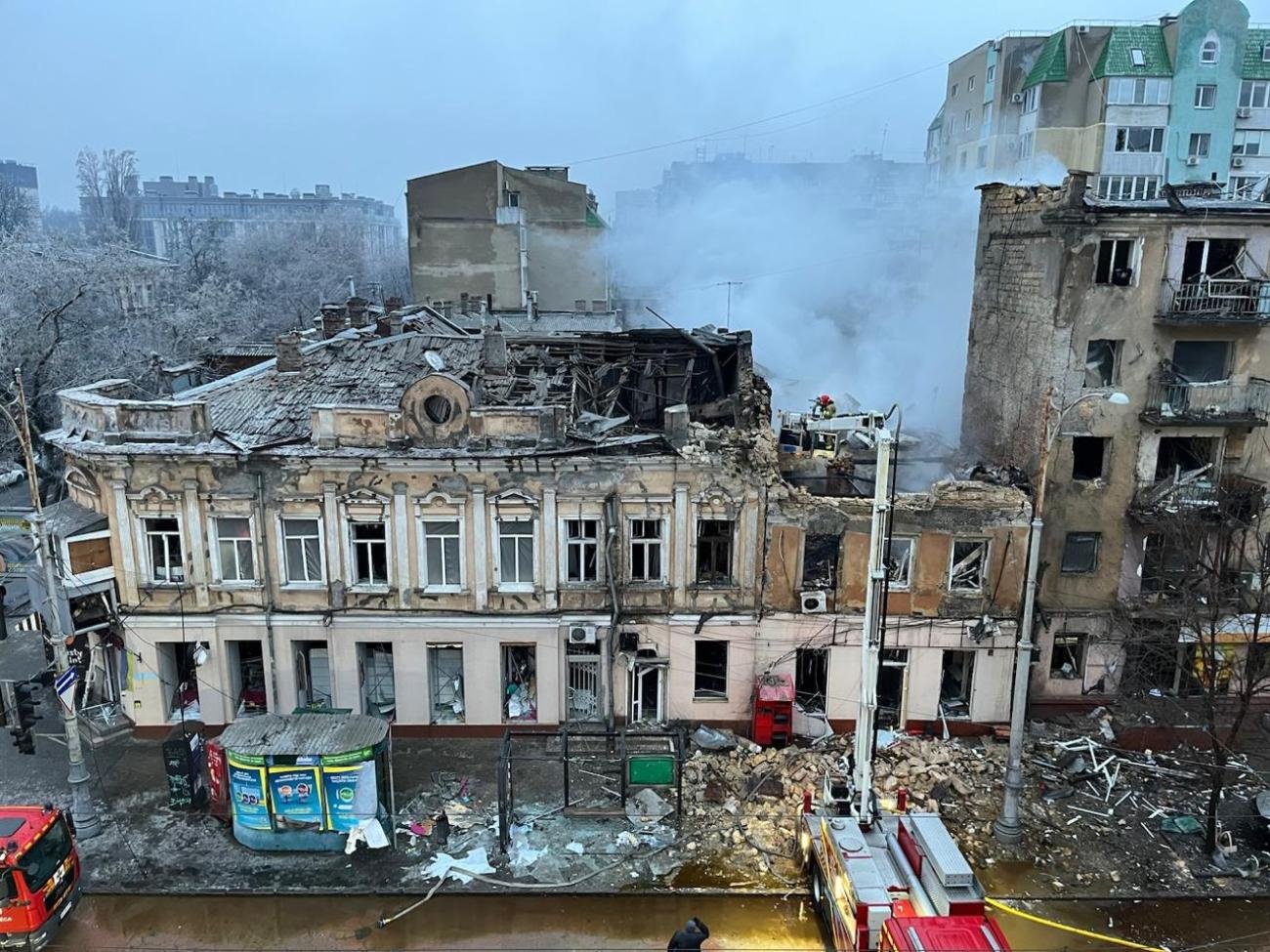
The war in Ukraine has entered its fourth year, with diplomatic efforts intensifying but no clear breakthrough in negotiations to end one of the most consequential conflicts in modern Europe.
Leaders from across Europe and the United States gathered in Brussels on February 24, 2026, to mark the anniversary and reaffirm their continued political, financial, and military support for Ukraine. The meetings, held at the headquarters of the North Atlantic Treaty Organization, focused on maintaining unity among allies while exploring long-term security arrangements for Kyiv.
Officials described the current phase of the war as a period of “strategic stabilization,” reflecting a shift away from rapid territorial offensives toward sustained defense and deterrence. While Ukraine continues to receive weapons and financial aid, some governments have acknowledged growing political and economic pressure at home as the war drags on.
Discussions have also centered on what Ukraine’s future relationship with NATO might look like. Although full membership remains uncertain, alliance members are considering alternative security guarantees designed to protect Ukraine from future attacks.
At the same time, diplomatic contacts are continuing through international channels, including efforts linked to the United Nations Security Council. These talks have focused mainly on humanitarian issues such as prisoner exchanges and maintaining aid corridors for civilians affected by the conflict.
Also Read; Iran Warns US Amid Nuclear Tensions Talks
However, Russia has maintained firm conditions for any peace agreement, particularly regarding NATO’s expansion in Eastern Europe. These demands remain one of the key obstacles preventing a comprehensive ceasefire.
Beyond the battlefield, the war continues to affect global energy and economic stability. According to the International Energy Agency, Europe’s gas reserves have stabilized compared to the early stages of the conflict, but countries are still working to reduce long-term dependence on politically sensitive energy supplies.
The conflict has also had serious consequences for regions far from Europe. Many African countries have faced rising food prices, fertilizer shortages, and fuel cost increases due to disruptions caused by the war.
Analysts say that while diplomacy is ongoing, deep mistrust between Russia and Western countries continues to slow progress toward peace. As a result, the conflict risks becoming a prolonged standoff rather than ending quickly.
Four years since the fighting began, the war has reshaped global alliances, economic strategies, and security planning. While negotiations continue behind closed doors, millions of people remain affected by a conflict whose end remains uncertain.