MWE Correspondent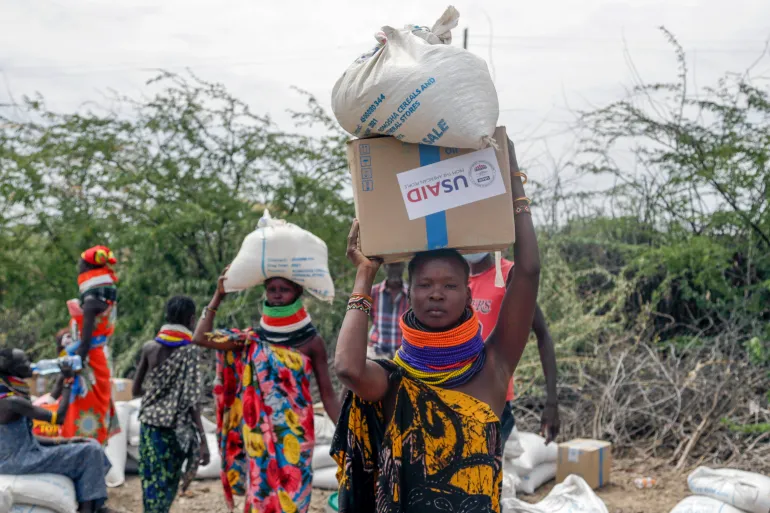
The United States is considering major changes to its flagship international food aid program, Food for Peace, raising concerns among humanitarian experts that assistance could become increasingly tied to U.S. agricultural and political interests.
According to documents obtained by Devex, Food for Peace, which was previously managed by the U.S. Agency for International Development (USAID), is being restructured under the U.S. Department of Agriculture (USDA). Critics argue the proposed changes could alter the program’s traditional mission of addressing hunger and malnutrition in vulnerable countries.
For decades, the program has provided U.S.-grown food commodities to populations affected by famine, conflict, and natural disasters. However, former officials familiar with the initiative say the new framework could prioritize benefits for American farmers and agricultural exporters.
Read More: U.S. Plans Major Changes to Food for Peace Program
Under the proposed criteria, countries seeking food assistance would still be evaluated based on humanitarian need, but additional consideration could be given to nations pursuing political and economic reforms aligned with U.S. interests.
Aid experts warn that such requirements may exclude some of the world’s most food-insecure countries. Nations facing prolonged conflict and governance challenges, including famine-prone states, could struggle to meet the new conditions despite severe humanitarian needs.
The documents also suggest a greater emphasis on creating export opportunities for U.S. agricultural products. Measures such as reducing trade barriers and increasing commercial purchases of American farm goods may become part of the program’s broader objectives.
Former Food for Peace officials have expressed concern that humanitarian assistance could become a tool for advancing trade policy rather than focusing primarily on hunger relief.
Despite the criticism, U.S. Agriculture Secretary Brooke Rollins has defended the transition, telling lawmakers that the USDA is prepared to manage the program effectively following its transfer from USAID.
The debate comes at a time when global food insecurity remains high, with conflicts, economic instability, and climate-related shocks continuing to threaten millions of people worldwide.