MWE Correspondent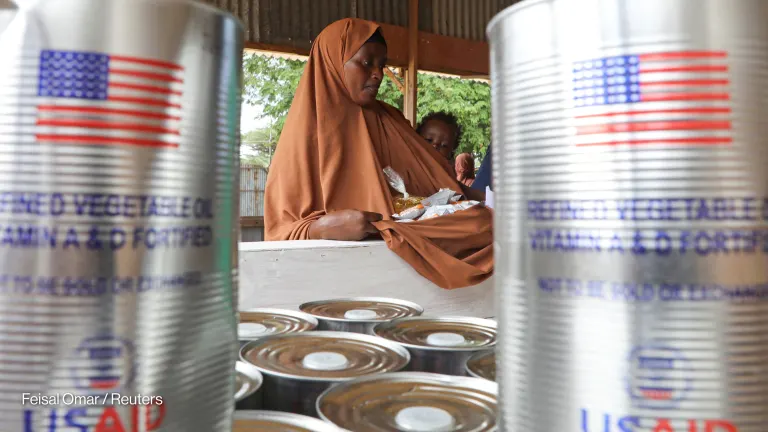
A debate is intensifying in the United States over the future of Food for Peace, the country’s flagship international food assistance program, following reports that the government is considering major changes that could reshape how aid is delivered to vulnerable populations around the world.
According to documents reported by development news outlet Devex, responsibility for the program is increasingly being shifted toward the U.S. Department of Agriculture (USDA), with a stronger emphasis on purchasing commodities from American farmers. The move has sparked concerns among development experts who fear the program may become more focused on supporting U.S. agricultural interests than addressing global hunger.
Food for Peace has long been one of the largest U.S.-funded humanitarian programs, providing food assistance to millions of people affected by conflict, drought, economic crises, and famine. However, critics argue that the proposed changes could alter the program’s priorities and reduce its ability to reach those most in need.
Also Read:12 Killed in South Africa Informal Settlement Mass Shooting
Experts who reviewed the documents highlighted several key concerns. Among them is the possibility that countries facing the most severe hunger crises may no longer qualify for assistance under new eligibility criteria. In addition, the program’s workforce has reportedly been reduced from more than 300 employees to just 26, raising questions about its future operational capacity.
Another controversial aspect of the proposed framework is that program success could be measured partly by the reduction of trade barriers for U.S. agricultural products. Critics argue that such criteria risk linking humanitarian assistance to commercial objectives rather than humanitarian need.
Dina Esposito, the former director of Food for Peace and a former senior USAID official, warned that conflict-affected countries such as Sudan could be among the hardest hit. She noted that the new approach appears to favor countries pursuing political and economic stability through specific policy reforms, potentially excluding nations experiencing war, instability, and humanitarian emergencies.
Esposito also pointed to historical lessons from the 1990s, when large shipments of U.S. rice to Haiti disrupted local agricultural markets and negatively affected Haitian farmers. The consequences were significant enough that former U.S. President Bill Clinton later acknowledged the damage and publicly apologized.
The debate comes as the U.S. Congress has allocated approximately $50 billion for foreign assistance programs. Policymakers, aid organizations, and development experts remain divided over how those funds should be spent and whether humanitarian aid should primarily serve global needs or advance broader American economic interests.