MWE Correspondent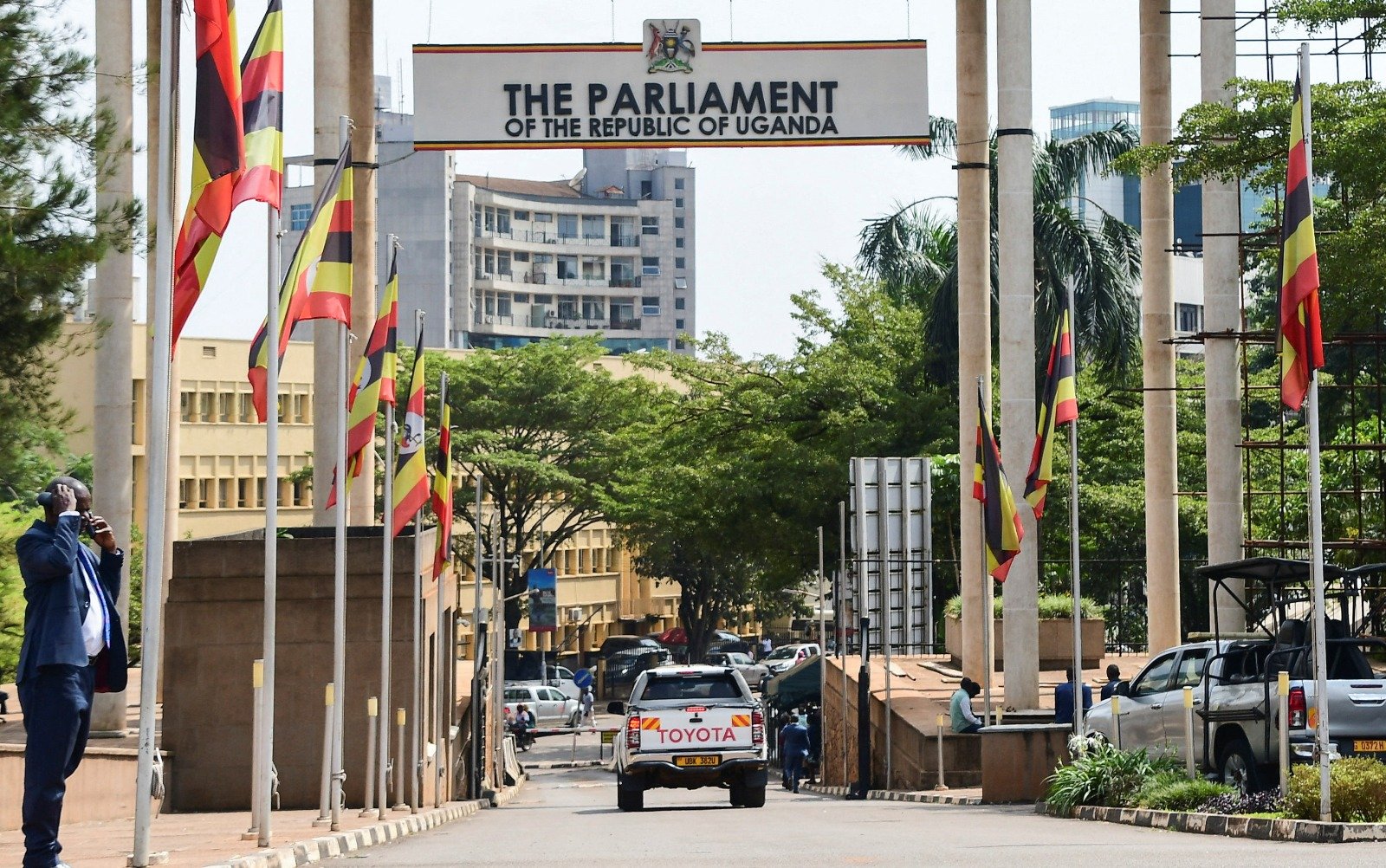
The Parliament of Uganda has passed a controversial piece of legislation known as the Freedom Protection Bill, following significant amendments made in response to strong public and political criticism.
Lawmakers approved the bill after removing several disputed clauses that had initially drawn widespread concern from civil society groups and legal analysts. The original draft had been criticised for language resembling provisions found in foreign laws used to regulate political activity and restrict opposition groups, particularly references linked to the concept of “foreign agents.”
One of the most contentious provisions in the initial version of the bill had classified Ugandans living abroad in a manner critics described as potentially discriminatory. That clause has now been removed during parliamentary revisions, easing some of the concerns raised during debates.
However, despite the amendments, the final version of the legislation still contains provisions targeting foreign funding, particularly regulations governing how external financial support can be received and used by organisations and political actors within the country.
Also Read; Ruto Praises Tanzania NSSF Nairobi Investment
Supporters of the bill argue that the law is intended to strengthen national sovereignty and improve transparency in political financing by ensuring that foreign funds do not unduly influence domestic affairs. They maintain that tighter oversight of external donations is necessary to protect national interests.
Critics, however, continue to express concern that restrictions on foreign funding could have a chilling effect on civil society organisations, independent media, and advocacy groups that rely on international support to operate. They warn that such measures may limit civic space and reduce the ability of organisations to engage in public interest work.
The debate surrounding the bill reflects broader tensions in Uganda’s political landscape over governance, accountability, and the role of external actors in domestic political processes. Legal experts note that similar legislation in other countries has often sparked international scrutiny and diplomatic discussion regarding human rights and democratic freedoms.
During parliamentary deliberations, lawmakers defended the amendments as a balanced approach aimed at addressing public concerns while maintaining the core objectives of the legislation. The removal of some of the most controversial clauses was seen as an attempt to reduce political friction and improve the bill’s acceptance.
The passage of the bill marks a significant moment in Uganda’s legislative agenda, with potential long-term implications for political financing, civil society operations, and foreign engagement in national development initiatives.
As the law moves toward implementation, attention is now turning to how it will be enforced in practice and whether further legal challenges or political debates may emerge in response to its provisions.