MWE Correspondent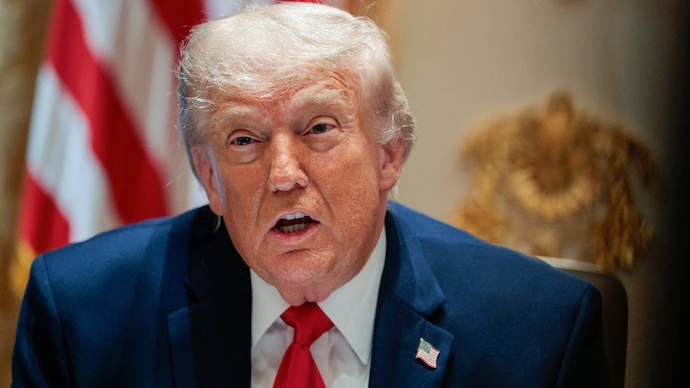
U.S. President Donald Trump has declared that the ceasefire between the United States and Iran is “over,” following a fresh escalation in hostilities that saw both countries exchange military strikes overnight.
Speaking on the sidelines of the NATO summit in Ankara on Wednesday, Trump said he no longer believed the temporary truce remained in effect, accusing Iran of violating the agreement and dismissing the prospects of further negotiations.
The latest escalation came after U.S. forces launched a new wave of airstrikes against Iranian targets, which Washington said were carried out in response to attacks on commercial vessels in the strategically important Strait of Hormuz. The U.S. military said the operation targeted more than 80 sites, including air defence systems, radar installations and military assets linked to Iran’s Revolutionary Guard.
Iran responded by launching retaliatory strikes against military facilities hosting U.S. forces in Gulf countries, including Bahrain and Kuwait, while Iranian officials vowed that the country would continue defending its national interests and maintain control over the Strait of Hormuz, one of the world’s busiest oil shipping routes.
The renewed fighting effectively ended a temporary ceasefire that had been brokered to create space for negotiations on a longer-term agreement. However, Trump said he no longer considered diplomacy with Tehran worthwhile, describing further talks as “a waste of time.”
Also Reads. The Intelligence Race Reshaping The World
The latest confrontation has heightened concerns over a wider regional conflict and its potential impact on global energy markets. Oil prices rose sharply following news of the renewed attacks, reflecting fears that instability around the Strait of Hormuz could disrupt international crude oil supplies. Around one-fifth of the world’s traded oil passes through the vital waterway.
Despite the renewed military confrontation, U.S. officials have indicated that diplomatic channels have not been completely closed, although the immediate focus remains on security developments across the Gulf region. Meanwhile, Iranian authorities have condemned the U.S. strikes as a violation of previous understandings and pledged a decisive response to any further attacks.
The renewed exchange of attacks marks one of the most serious escalations between Washington and Tehran in recent months, raising fresh uncertainty over regional stability and the future of diplomatic efforts to prevent a broader conflict in the Middle East.