Dark
Light

TMA Praised For 80% Weather Forecast Accuracy

Kihenzile said the continued improvement in forecasting accuracy therefore gives Government institutions a stronger basis for planning and responding to extreme weather events.
September 12, 2026

Tanzania’s Deputy Minister for Transport, David Kihenzile, has commended the Tanzania Meteorological Authority (TMA) for maintaining weather forecasting accuracy of more than 80 percent, saying reliable weather information is helping the Government and the public take early measures against weather-related disasters.

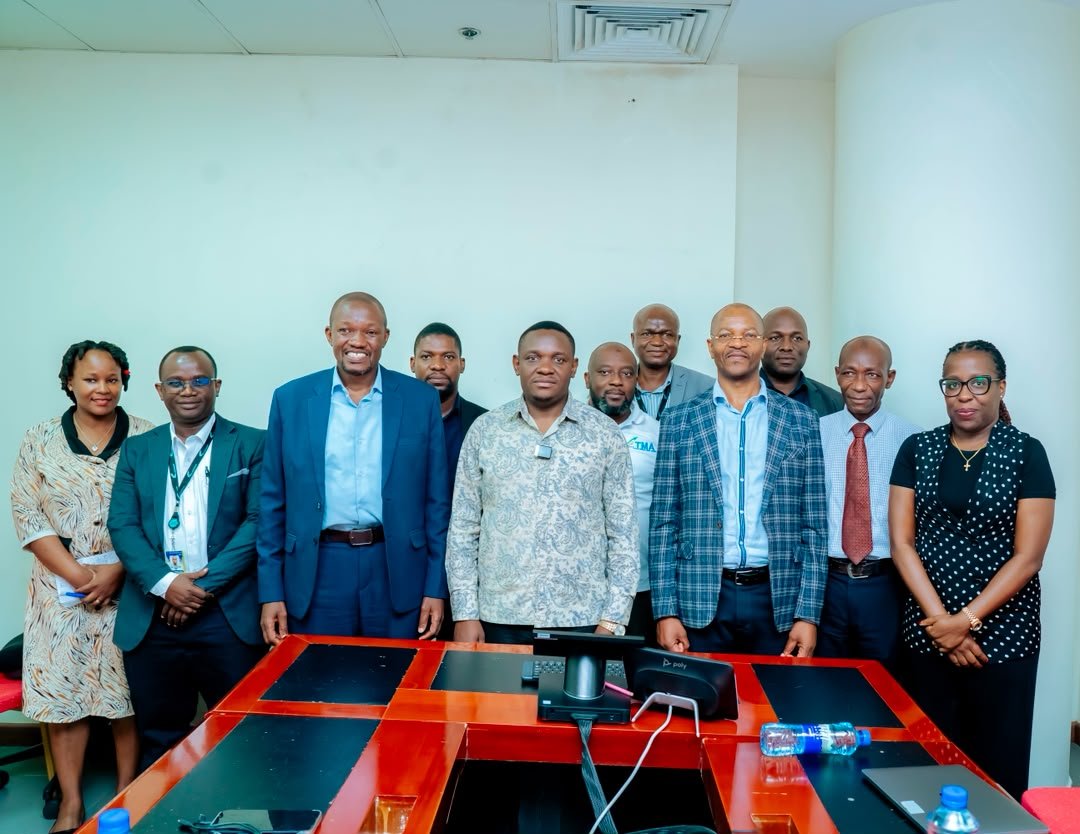
Kihenzile made the remarks on September 11, 2026, in Dar es Salaam, during a meeting with TMA Director General Dr Ladislaus Benedict Chang’a and meteorological experts from the authority.

The meeting focused on the latest weather conditions across Tanzania, including the expected El Niño rainfall season, as well as measures being taken to ensure that weather forecasts and early warnings reach communities and key economic sectors in good time.

Kihenzile said accurate and timely weather information plays a critical role in protecting lives, infrastructure and economic activities, particularly as Tanzania prepares for potentially heavy rainfall in some parts of the country.

The Deputy Minister highlighted the importance of meteorological information to the transport sector, where weather conditions can directly affect roads, aviation, maritime operations and other forms of transportation.

Heavy rainfall can cause flooding, damage roads and bridges, trigger landslides and disrupt transport connections, while strong winds and poor visibility can create additional risks for aviation and marine activities.

Early weather warnings allow transport authorities and operators to adjust operations, inspect vulnerable infrastructure and take preventive measures before dangerous conditions develop.

Kihenzile said the continued improvement in forecasting accuracy therefore gives Government institutions a stronger basis for planning and responding to extreme weather events.

Also Read: Tanzania Orders Urgent Measures Ahead Of El Niño Rains

Dr Chang’a said TMA is continuing to strengthen its weather monitoring and forecasting systems to improve the availability, accuracy and timeliness of meteorological information.

The authority is responsible for monitoring atmospheric conditions and providing weather information and warnings that support decision-making across sectors including transport, agriculture, water, disaster management and public safety.

According to Dr Chang’a, strengthening forecasting capacity is also important as the country faces increasing risks associated with climate change and weather-related hazards.

The authority is therefore working to ensure that forecast information reaches relevant stakeholders early enough to support preparedness and reduce potential losses.

The discussions come as Tanzania prepares for the October–December 2026 rainfall season, during which authorities have warned of the possibility of El Niño-related impacts in some areas.

Heavy rainfall associated with such weather patterns can increase the risk of flooding, waterlogging, landslides, damage to infrastructure and disruptions to transport and other essential services.

The Government has consequently been urging ministries, local authorities and agencies responsible for infrastructure and disaster preparedness to act before the rains intensify.

Recent preparations have included calls for the cleaning of drainage systems, inspection of roads and bridges, removal of waste from waterways and identification of areas that could be vulnerable to flooding.

Beyond transport, accurate weather forecasts are particularly important for agriculture, where farmers depend on rainfall information to determine planting periods, crop selection and other farming decisions.

Meteorological information is also important for livestock keepers, fishermen, construction companies, energy providers, water managers and disaster-response agencies.

For farmers, early warnings about excessive rainfall can help reduce losses, while information about strong winds and dangerous marine conditions can help protect fishing communities and other people working on or near water.

In urban areas, early warnings can also help authorities prepare drainage systems, mobilise emergency teams and communicate risks to residents.

The emphasis from both the Transport Ministry and TMA reflects a broader shift from responding to disasters after they occur toward anticipatory action based on early warnings.

Forecast accuracy is valuable only when information reaches people in time and is translated into practical measures.

For this reason, improving communication between TMA, government institutions, local authorities, businesses and communities remains an important part of Tanzania’s disaster preparedness strategy.

As the October–December rainfall period approaches, the ability of authorities to combine improved forecasting with rapid action will be crucial in limiting the effects of floods, strong winds and other weather-related hazards.

TMA’s continued investment in monitoring, forecasting and early-warning systems is therefore expected to play an important role in strengthening Tanzania’s resilience to extreme weather and the wider impacts of climate change.

Author

Leave a Reply

Your email address will not be published.

Don't Miss

Tanzania Pledges SADC Contribution, Urges Others

Tanzania has reaffirmed its commitment to meeting its financial obligations

Calm And Order Mark Tanzania’s 2025 Election Day

The atmosphere was calm, reflective, and filled with optimism  a