MWE Correspondent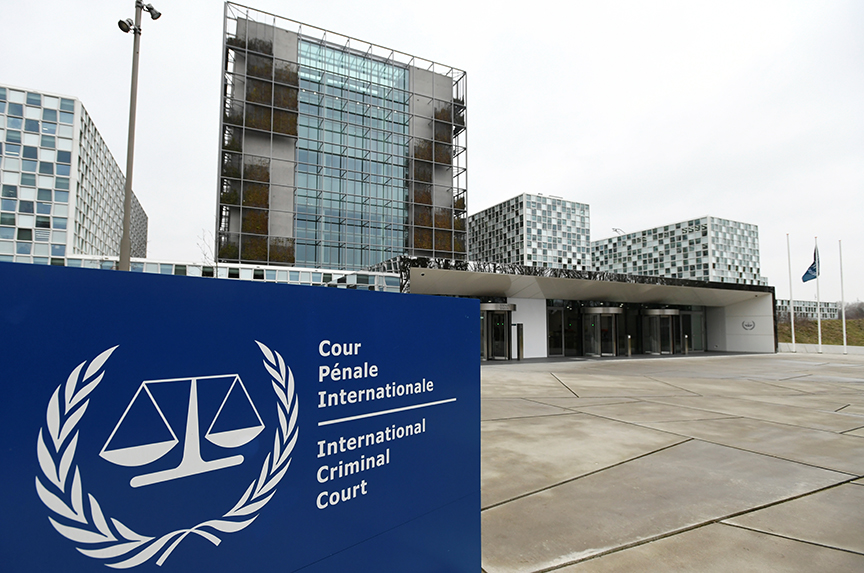
At the International Criminal Court’s headquarters in The Hague, a debate is unfolding that reaches far beyond one institution.
It is a debate about the future of global justice, the balance between law and politics, and whether international courts can maintain public trust in an increasingly divided world.
The ICC was created with a powerful promise: that individuals accused of the most serious international crimes could face accountability regardless of their position or influence. Yet today, the Court itself is facing one of its most challenging periods since its establishment.
The current controversy surrounding the Court’s leadership has intensified questions about transparency, internal governance and the ability of international justice institutions to maintain confidence among member states and global communities. ICC Prosecutor Karim Khan has faced disciplinary proceedings following allegations of misconduct, which he denies, while the Court’s governing structures continue to address the matter
But beyond the immediate crisis lies a much larger question:
Can international justice remain independent in a world shaped by geopolitical competition?
For many supporters, the ICC remains an essential institution. They argue that without international accountability mechanisms, victims of serious crimes may have limited avenues for justice, especially when national systems are unable or unwilling to act.
The Court has handled cases involving conflicts and political crises across different regions, making it one of the most visible symbols of international law.
However, criticism has followed the institution throughout its history.
Some African governments and analysts have long questioned whether international justice has been applied equally across regions. They argue that global legal institutions must address concerns about representation, consistency and the influence of powerful states.
Supporters of the ICC respond that the Court operates according to legal procedures and that many cases involving African countries originated through referrals from African governments themselves.
This continuing debate has placed Legal Sovereignty at the centre of discussions about the future of justice.
Across the world, countries are increasingly emphasizing the importance of strengthening domestic courts and building legal systems capable of handling complex cases. The argument is not necessarily against international cooperation, but rather for a system where national institutions are strong enough to protect citizens and participate as equal partners.
The ICC’s challenges also reflect a wider transformation in international politics.
The global order is becoming more multipolar, with emerging powers demanding a greater voice in institutions that shape international rules. Questions about justice, finance, trade and security are increasingly connected to broader debates about global representation.
This has made Global Diplomacy an important factor in the future of international law.
Legal decisions involving political leaders, military officials or powerful states often create diplomatic consequences. Governments may view international legal actions through the lens of national security, sovereignty and strategic interests.
This does not remove the importance of accountability, but it demonstrates the complicated environment in which international courts operate.
Also Read. Israel Rejects Withdrawal Until Hezbollah Disarms
Another major issue is institutional independence.
International organizations depend heavily on public confidence. If communities believe that justice is selective or influenced by political interests, the authority of those institutions can weaken.
This is why Institutional Sovereignty has become a growing concern.
International bodies must demonstrate that their decisions are guided by law, transparency and consistent standards rather than external pressure.
The ICC has also faced political pressure from powerful countries. Disputes over its investigations and decisions have led to wider debates about the relationship between international courts and national sovereignty.
For developing nations, the discussion carries particular importance.
Many countries are seeking a world where international rules apply fairly and where they have a stronger role in shaping global institutions. Reforming international justice systems could become part of a broader movement toward greater balance in global governance.
The future of the ICC will depend not only on individual cases but on whether it can strengthen confidence among nations and communities.
Justice institutions survive through legitimacy.
And legitimacy comes from the belief that the law is independent, consistent and fair.
As the world faces rising geopolitical tensions, conflicts and competing visions of international order, the ICC stands at a defining moment.
Its greatest challenge may not be proving that justice matters.
Its greatest challenge may be proving that justice can be trusted.