MWE Correspondent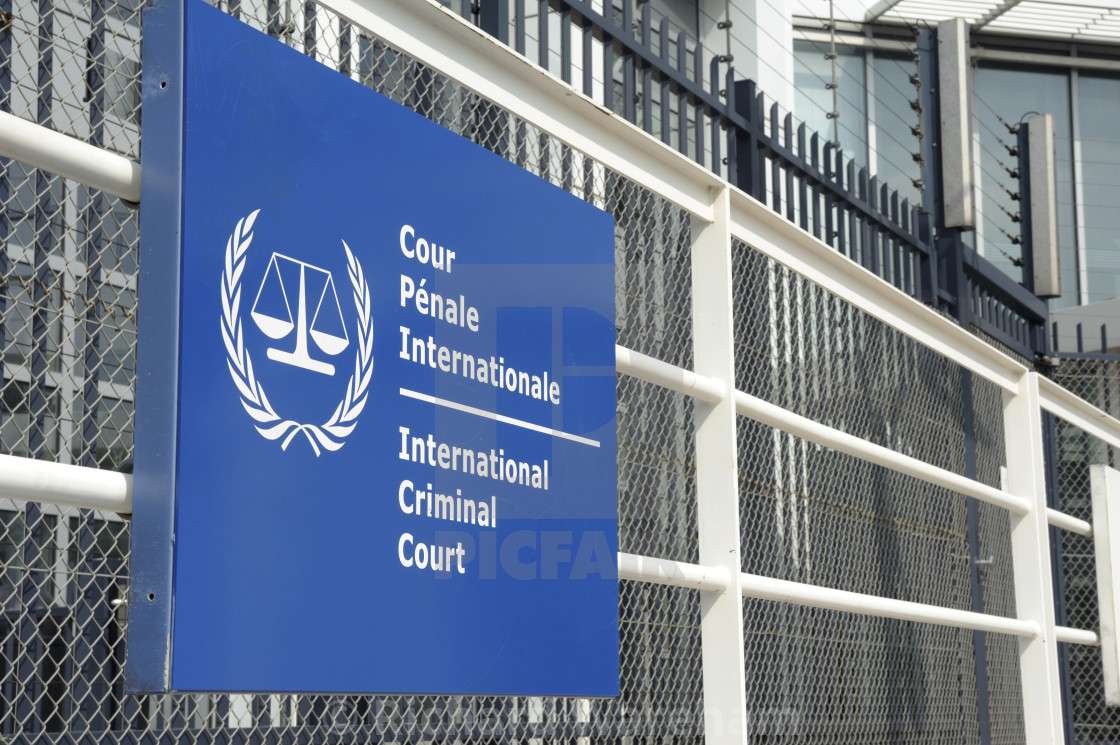
The courtroom is silent long before judges take their seats. Behind every case file are years of investigations, thousands of pages of evidence and communities waiting for justice. Yet beyond the courtroom walls, another debate continues to grow.
Who decides when international justice should intervene?
That question has become one of the most significant legal and diplomatic issues in global politics.
More than two decades after the International Criminal Court (ICC) began operating, the institution remains one of the world’s most influential—and most debated—international judicial bodies. Created to prosecute individuals accused of genocide, crimes against humanity, war crimes and the crime of aggression when national courts are unable or unwilling to act, the ICC has played an important role in advancing international criminal accountability.
At the same time, its work continues to generate intense political discussion.
Throughout 2026, debates surrounding international justice have remained prominent as investigations and arrest warrants involving different regions of the world continue to influence diplomatic relations. While the Court has increasingly expanded its attention beyond Africa, questions about consistency, impartiality and enforcement remain central to international discussions.
Supporters argue that international justice strengthens accountability by ensuring that serious crimes do not go unpunished.
Critics respond that international justice can only maintain legitimacy if legal principles are applied consistently, regardless of political influence or the global standing of the countries involved.
This debate has elevated International Criminal Justice into one of the defining issues of contemporary diplomacy.
For many African governments, discussions about the ICC are no longer limited to individual investigations.
They increasingly focus on broader questions of sovereignty, judicial independence and the relationship between international institutions and domestic legal systems.
Earlier criticisms from several African leaders centred on the perception that African situations received disproportionate attention during the Court’s early years. Although the ICC has since pursued investigations and cases involving multiple regions, the legacy of those debates continues to shape political attitudes across the continent.
This evolving conversation is encouraging African countries to strengthen Judicial Sovereignty.
Judicial sovereignty does not mean rejecting international accountability.
Also Read. Tanzania Praises Citizens For Choosing Peace Over Protests
Rather, it means building strong, independent and credible national courts capable of investigating and prosecuting serious crimes in accordance with international legal standards.
The Rome Statute itself is based on the principle of complementarity, meaning the ICC serves as a court of last resort when domestic systems cannot genuinely carry out investigations or prosecutions.
For many legal experts, this principle places responsibility primarily on national institutions.
Strengthening domestic courts, improving prosecutorial independence and investing in judicial capacity may therefore reduce the need for international intervention while reinforcing public confidence in national justice systems.
The debate also extends beyond Africa.
International justice increasingly intersects with geopolitics.
When arrest warrants involve senior political or military leaders, governments often face difficult diplomatic choices involving treaty obligations, foreign policy considerations and regional stability.
As a result, legal decisions can carry significant political consequences.
This interaction has made Global Accountability a central theme in international relations.
Governments continue to ask difficult questions.
How can international justice remain independent of geopolitical competition?
How should enforcement mechanisms operate when states disagree?
How can international institutions maintain credibility while respecting national sovereignty?
There are no simple answers.
However, there is growing agreement that legitimacy depends on consistency.
International law gains strength when legal standards are applied equally, transparently and without regard to political influence.
For African nations, this period offers an opportunity to lead constructive reforms.
Regional cooperation through African legal institutions, greater investment in judicial capacity and continued commitment to the rule of law can strengthen confidence in domestic justice while maintaining engagement with international legal frameworks.
Such an approach avoids the false choice between sovereignty and accountability.
Both objectives can reinforce one another when institutions are credible and independent.
The future of international criminal justice will likely depend not only on the decisions delivered inside courtrooms but also on the confidence that governments and citizens place in the fairness of the global legal system.
Justice has always depended on impartiality.
In an increasingly complex geopolitical environment, preserving that impartiality may become the greatest challenge—and the greatest responsibility—facing international criminal law.