 Hassan Magulumali
Tanzania has secured new investment, financing and technical cooperation commitments to accelerate renewable energy development and expand access to clean cooking technologies following President Samia Suluhu Hassan’s participation in the 31st United Nations Climate Change Conference (COP31) in Antalya, Türkiye.
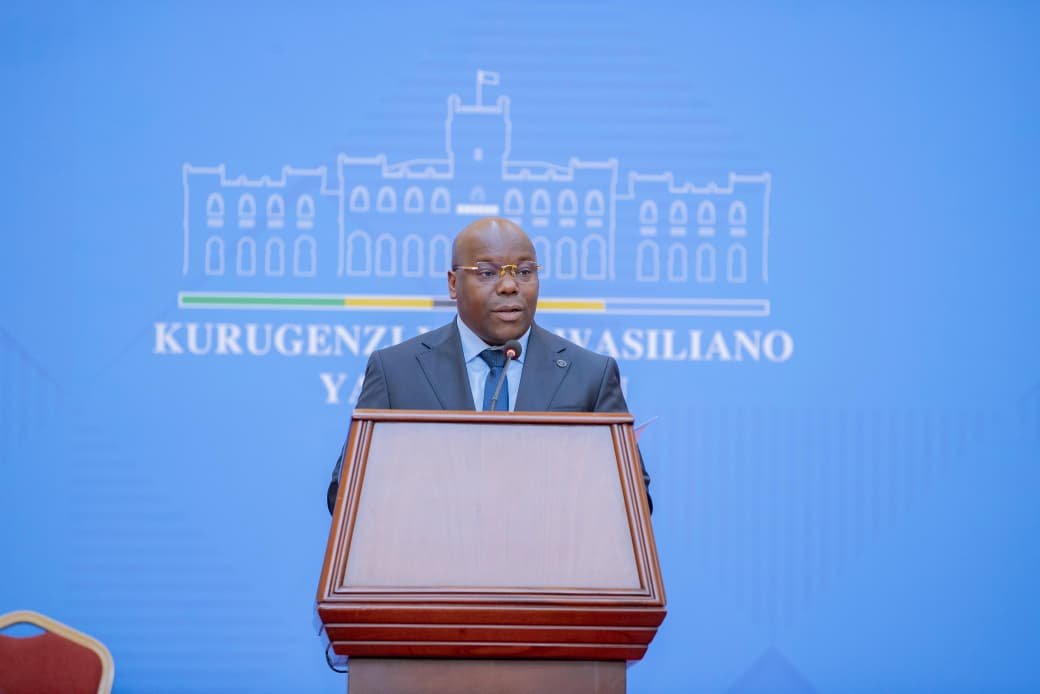
Energy Minister Dr Juma Zuberi Homera said the commitments from international development institutions, governments and energy organisations would support Tanzania’s efforts to improve energy access, promote cleaner cooking solutions and strengthen the country’s renewable energy sector.
Speaking to journalists at State House in Dar es Salaam on November 15, Homera said Saudi Arabia had pledged to continue financing energy projects, including renewable energy generation and clean cooking initiatives.
The African Development Bank (AfDB) has approved financing for 70,000 electric cooking stoves, with another 70,000 expected to receive approval soon. The initiative is expected to increase the adoption of electric cooking, reduce dependence on charcoal and firewood and help households transition towards cleaner energy alternatives.
Sustainable Energy for All (SEforALL) has also pledged to mobilise private-sector investors through the establishment of an investment coalition aimed at attracting more capital into Tanzania’s clean energy industry. The initiative is expected to support the country’s ambition to become a regional manufacturing centre for clean cooking technologies.
Also Read: APEC Members Seek Talks With Putin
Meanwhile, the International Solar Alliance (ISA) has committed to supporting the installation and use of solar energy systems in schools and healthcare facilities. It has also indicated that US$200 million will be allocated to solar power projects across its member countries.
Other development partners that have expressed interest in supporting Tanzania include the International Renewable Energy Agency (IRENA), the World Food Programme (WFP), UK Aid and the Government of Iceland.
UK Aid has pledged £4 million for renewable energy and clean cooking projects, including initiatives to improve access to electric cooking appliances through affordable instalment-based payment arrangements.
The commitments come as Tanzania seeks to strengthen its energy infrastructure while addressing the environmental and public health challenges associated with traditional cooking fuels.
According to the Energy Ministry, electricity access in Tanzania has increased from 78.4 per cent in 2020 to 85.5 per cent, reflecting continued investment in power infrastructure and rural electrification.
The government has also expanded clean cooking initiatives, with 2,745 institutions adopting cleaner cooking energy solutions. In addition, 139,859 improved cookstoves have been distributed as part of efforts to reduce reliance on traditional biomass fuels.
Tanzania’s participation in COP31 comes amid growing international efforts to mobilise climate finance, accelerate the transition towards renewable energy and expand access to affordable and sustainable power, particularly in developing countries.
The conference, taking place from November 9 to 20, 2026, in Antalya, brings together governments, international institutions, businesses and climate stakeholders to discuss global climate action, energy transition and financing for sustainable development.
For Tanzania, attracting international financing and technology is particularly important as the country seeks to expand electricity generation, improve distribution infrastructure and increase the adoption of renewable energy sources, including solar, wind and hydropower.
The Energy Ministry said the next priority would be to continue negotiations with the development partners to translate the commitments into concrete projects that deliver affordable, reliable and sustainable energy to citizens.
The government is also expected to strengthen cooperation with private investors and international institutions to ensure that the funding and technical support secured through international engagements contribute to long-term energy security and economic development.