
 Hassan Magulumali
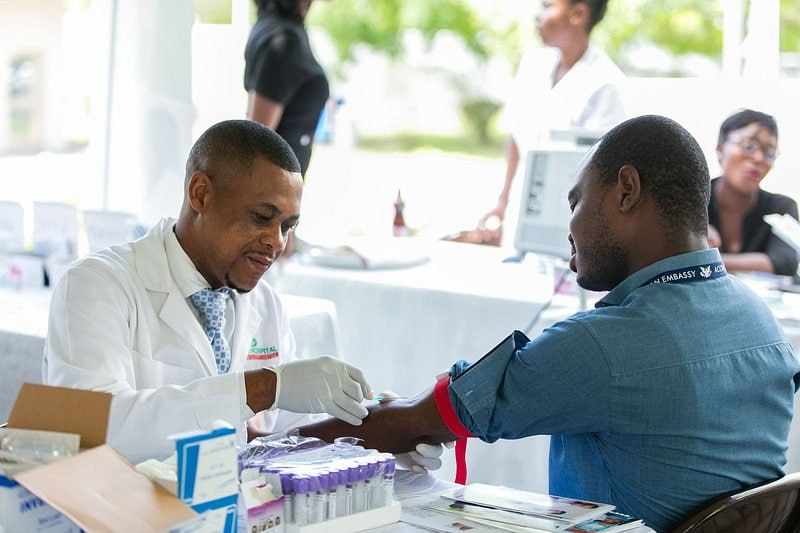
Tanzania and the World Health Organization (WHO) have trained 35 health experts in the strategically important Mbeya border region to strengthen epidemic preparedness, improve disease surveillance and prevent the cross-border spread of infectious diseases.
The initiative comes amid growing regional concerns over public health emergencies, including the spread of Ebola in parts of the African region, highlighting the importance of strengthening early detection and response systems in areas with significant cross-border movement.
According to the WHO, the training is designed to improve the capacity of health professionals to identify potential disease outbreaks, assess public health risks and coordinate timely responses before infections spread to other communities and countries.
Mbeya is an important transport and commercial gateway in southwestern Tanzania, connecting the country with neighbouring Zambia and Malawi. The movement of traders, travellers, transport workers and other communities across the region makes effective disease surveillance and preparedness essential for protecting public health.
The training seeks to equip health experts with practical skills to recognise unusual disease patterns, report suspected cases, coordinate investigations and implement appropriate infection prevention and control measures. These capabilities are particularly important during the early stages of an outbreak, when rapid action can help limit transmission and reduce pressure on health facilities.
Ebola and other highly infectious diseases can pose serious challenges to health systems when cases are detected late or when patients cannot access appropriate medical care. Depending on the disease, transmission risks may increase through direct contact with infected bodily fluids, contaminated materials or other specific routes of exposure.
Strengthening surveillance at border points and within surrounding communities can help health authorities identify warning signs and respond before an outbreak becomes more difficult to control. However, effective preparedness requires cooperation beyond border checkpoints, including health facilities, laboratories, local government authorities and community health workers.
Also Read: Russia-Africa Summit Signals Shift in Global Ties
The initiative also highlights the importance of coordination between Tanzania and neighbouring countries. Since infectious diseases do not respect national borders, sharing timely information, harmonising surveillance procedures and coordinating emergency responses can help prevent isolated outbreaks from developing into wider regional public health emergencies.
The WHO has continued to support countries in strengthening their health emergency preparedness through technical assistance, workforce training, surveillance improvements and the development of response systems. Such collaboration is especially important in regions where health facilities face logistical constraints or where cross-border movement complicates the monitoring of infectious diseases.
For Tanzania, investing in trained health personnel is an important component of protecting communities against future epidemics. Skilled experts can help ensure that suspected cases are identified quickly, appropriate precautions are implemented and relevant authorities receive accurate information to guide decisions.
Preparedness also depends on the availability of essential medical supplies, laboratory testing capacity, protective equipment, reliable communication systems and clear procedures for referring suspected cases. Training health workers is therefore most effective when supported by adequate resources and regular emergency exercises.
Community awareness remains another important factor. Public health authorities need to provide accurate information about disease symptoms, prevention and when to seek medical attention, while working with community leaders to address misinformation and encourage cooperation with health teams.
The training of 35 health experts represents a targeted effort to strengthen Tanzania’s ability to detect and respond to public health threats in a region of strategic importance. Its long-term value will depend on how effectively the skills acquired are applied in routine surveillance and emergency response operations.
As African countries continue to confront infectious disease threats, stronger health systems, regional information-sharing and sustained investment in public health personnel remain essential to preventing outbreaks and protecting lives.
Through cooperation with the WHO and neighbouring countries, Tanzania aims to strengthen its preparedness and reduce the risk that infectious diseases detected in one location will spread across borders and threaten wider populations.