
 MWE Correspondent
Tanzania’s government has outlined stricter regulatory measures to ensure that mining licence holders comply with legal requirements, protect workers’ safety and maintain environmental standards while maximising the contribution of mineral resources to the national economy.
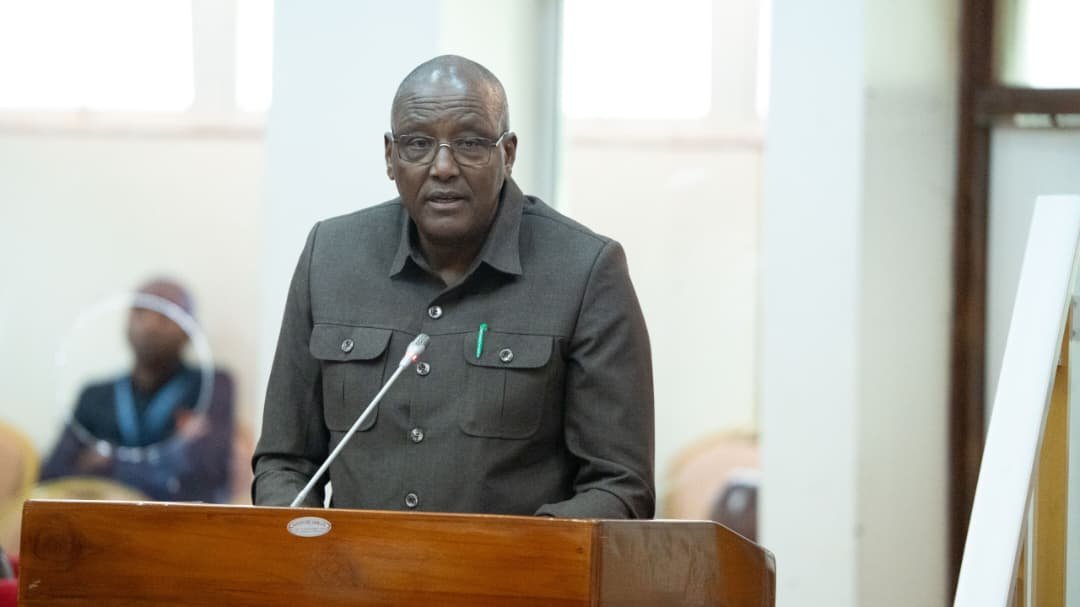
Deputy Minister for Minerals, Dr. Steven Kiruswa, announced the measures in Parliament on October 30, 2026, while responding to a question from Kahama Urban Member of Parliament Benjamin Ngayiwa, who sought clarification on government strategies to supervise gold mining licence holders and improve conditions for small-scale miners.
Dr. Kiruswa said the government was strengthening enforcement of existing mining laws and regulations to ensure that investors and miners fulfil their obligations and that mineral resources generate tangible economic benefits for the country.
He explained that under the Mining Act, Chapter 123, and the Mining (Mineral Rights) Regulations of 2018, every licence holder is required to comply with the conditions attached to their licence. These include commencing production within the prescribed period, paying royalties, taxes and government fees on time, and submitting accurate production reports.
The Deputy Minister stressed that compliance with these requirements was essential to ensuring transparency, accountability and effective management of the country’s mineral wealth.
On environmental protection, Dr. Kiruswa highlighted the Environmental Protection Regulations for Small-Scale Mining of 2010, which require miners to implement Environmental Protection Plans (EPPs).
Also Read:Mwinyi Seeks South Korean Investment for Zanzibar Projects
Under these provisions, small-scale miners are required to restore mining sites to safe conditions after completing their operations. The measures are intended to minimise environmental degradation, protect water sources and prevent long-term damage to surrounding ecosystems.
He further pointed to the Mining (Safety, Occupational Health and Environmental Protection) Regulations of 2010, which require licence holders to establish effective workplace safety systems.
These regulations cover measures to protect workers’ health, prevent mining accidents and ensure that working environments meet established safety and environmental standards.
The government said supervision would also involve regular inspections conducted by the Mining Commission and Regional Resident Mining Officers (RMOs) to assess compliance with licence conditions and identify violations.
Dr. Kiruswa noted that authorities would continue holding non-compliant licence holders accountable, reinforcing the government’s commitment to responsible mining practices.
The oversight measures are particularly significant for Tanzania’s gold sector, where large-scale investments and small-scale mining activities operate alongside one another. Effective regulation is essential to ensuring that mining opportunities contribute to local economic development while protecting workers and communities.
For small-scale miners, stronger supervision of licence holders is also important in addressing concerns over access to mining areas, compliance with legal agreements and the relationship between investors and local mining communities.
The government maintains that responsible management of mineral resources requires a balance between attracting investment, supporting local participation, enforcing tax obligations and protecting the environment.
Through continued inspections and enforcement of mining regulations, Tanzania aims to strengthen accountability across the mining sector and ensure that the country’s mineral wealth delivers sustainable benefits to its people.


