MWE Correspondent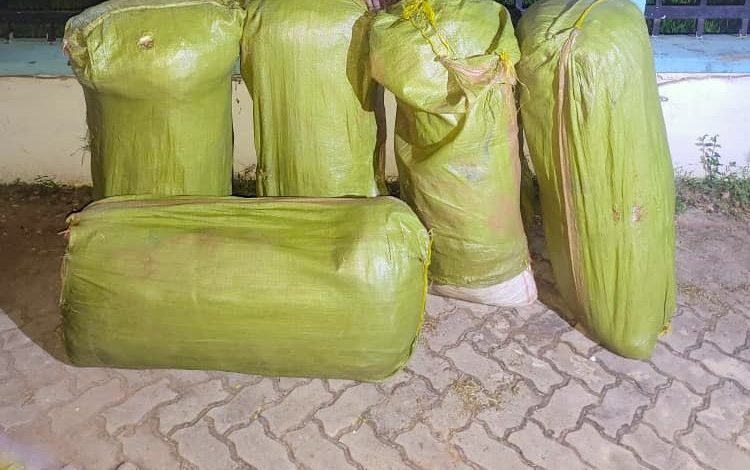
Authorities in Tanzania have reported a significant nationwide crackdown on illegal narcotics, resulting in the seizure of nearly two tonnes of illicit drugs, destruction of large-scale cannabis plantations, and the arrest of dozens of suspects during coordinated operations conducted throughout March.
According to officials from the Drug Control and Enforcement Authority (DCEA), a total of 1,983.31 kilogrammes of various narcotic substances were confiscated over the course of the month. In addition, law enforcement officers intercepted 3,012.5 kilogrammes and 17,960 litres of precursor chemicals used in the production and processing of illegal drugs. Authorities also recovered 286 tablets and 1,001 bottles of controlled medicinal substances believed to have been diverted into the illicit drug market.
The nationwide operations further led to the destruction of approximately 55.5 acres of cannabis plantations, which were found in rural and semi-rural regions. A total of 77 suspects were arrested in connection with drug trafficking, cultivation, and distribution activities. Security agencies also impounded nine vehicles, twelve motorcycles, and one three-wheeled vehicle believed to have been used in the transportation of narcotics.
Officials noted a notable shift in trafficking patterns, with khat locally known as mirungi accounting for the largest share of seizures. Of the total drugs intercepted during the month, 1,267.12 kilogrammes—representing roughly 64 percent—were khat-related substances. This trend suggests an evolving drug market in which stimulant-based substances are increasingly dominating distribution networks.
Khat, scientifically known as Catha edulis, is a plant-based stimulant widely used in parts of East Africa and the Arabian Peninsula. Its status varies across countries, but in Tanzania it is controlled due to its association with abuse and illegal trade networks. (See: khat on Wikipedia for more background context).
Authorities attribute the rise in seizures to intensified enforcement operations targeting rural supply chains. Officials say previous crackdowns on industrial-scale narcotics trafficking have disrupted major organized networks, forcing remaining operations to shift toward smaller-scale cultivation and regional distribution systems.
Also Read; Lebanon Seeks Ceasefire Talks With Israel Amid Escalation
The large volume of precursor chemicals intercepted also highlights growing concerns about local drug manufacturing capabilities. These substances, which are commonly used in the processing of synthetic drugs and refinement of narcotics, are increasingly being monitored by law enforcement agencies across East Africa due to their role in expanding illicit production networks. (See: precursor chemicals on Wikipedia for more details).
The Drug Control and Enforcement Authority emphasized that sustained surveillance, intelligence-led operations, and community cooperation have been key in disrupting trafficking routes. Officials further stated that continued efforts will focus on dismantling supply chains, particularly in remote agricultural zones where illegal cultivation remains prevalent.
Cannabis cultivation remains one of the most persistent challenges for enforcement agencies. The destruction of more than fifty acres in a single month underscores both the scale of production and the determination of authorities to curb its spread. Rural farming communities are often targeted by traffickers who exploit isolated areas for large-scale plantations, complicating detection and enforcement efforts.
Overall, the March operations reflect an evolving drug control landscape in Tanzania, marked by shifting trafficking patterns, increased rural enforcement, and a growing emphasis on chemical precursors and stimulant-based substances. Authorities have pledged to continue nationwide operations aimed at reducing drug availability and dismantling trafficking networks across the country.