Joseph Isangura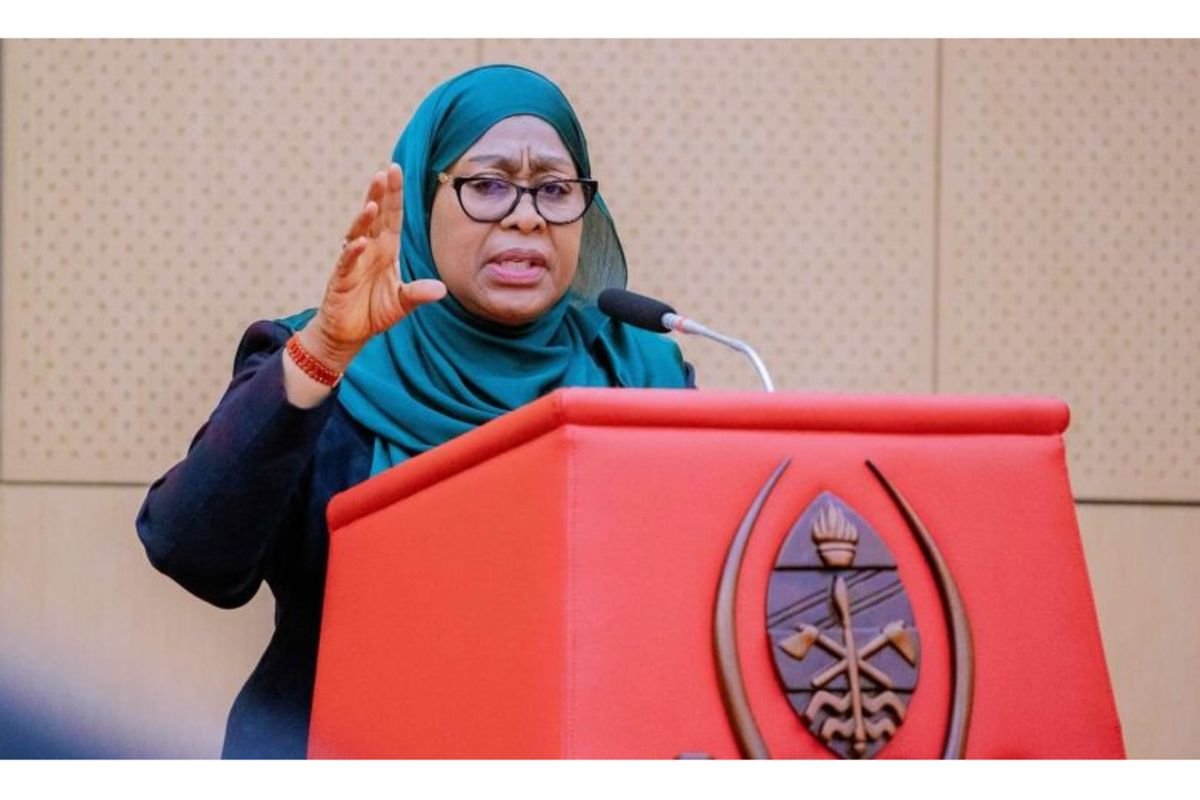
Nearly six decades after Tanzania’s founding leader Mwalimu Julius Nyerere made a landmark visit to the Soviet Union at the height of the Cold War,
President Samia Suluhu Hassan is preparing to return Tanzania to the centre of a historic diplomatic relationship that once shaped the country’s political and economic direction.
President Samia is expected to begin a state visit to Russia from June 3 to 5, 2026, following an official invitation from Russian President Vladimir Putin, in what analysts describe as one of the most symbolically important foreign visits of her presidency.
The journey carries deep historical significance for Tanzania. The last time a Tanzanian head of state visited Moscow was in 1969, when Mwalimu Julius Nyerere travelled to the Soviet Union during a period marked by global ideological rivalry, African liberation struggles, and the rise of post-independence diplomacy across the continent.
At the time, Nyerere’s visit represented more than a diplomatic engagement. It reflected Tanzania’s growing international influence under his philosophy of non-alignment, African unity, and economic self-reliance. The Soviet Union was among several global powers competing for influence in Africa during the Cold War, and Tanzania emerged as a respected voice advocating liberation movements and pan-African solidarity.
Historical records show that relations between Tanzania and the Soviet Union expanded significantly following Nyerere’s visit, particularly in education, military cooperation, industrial development, and technical training. Hundreds of Tanzanian students later received scholarships to study in Soviet institutions, while cooperation agreements helped strengthen ties between the two nations during a transformative era in African politics.
Now, in a dramatically different geopolitical climate, President Samia’s visit is being viewed as both a continuation of that historical relationship and a strategic effort to reposition Tanzania within an increasingly competitive global economic order.
Also Read: Kenya Court Blocks Ebola Facility Construction
Unlike the ideological atmosphere surrounding Nyerere’s trip in 1969, Samia’s mission is expected to focus heavily on economic diplomacy, trade expansion, energy cooperation, investment opportunities, science and technology, tourism, mining, and agricultural modernization.
During the visit, President Samia is scheduled to hold high-level bilateral talks with President Putin and participate in the St. Petersburg International Economic Forum (SPIEF 2026), one of the world’s leading gatherings of political leaders, investors, and global business executives.
Her participation is expected to provide Tanzania with an international platform to market its economic potential and attract foreign investment at a time when African economies are increasingly becoming central to global competition for strategic partnerships and natural resources.
Political observers say the symbolism of the visit may resonate far beyond diplomatic protocol. For many Tanzanians, the trip revives memories of a defining chapter in the country’s foreign policy history — one shaped by Nyerere’s international stature and Tanzania’s role in supporting liberation movements across Africa.
Analysts also believe the visit reflects Tanzania’s broader strategy of maintaining balanced international relations with both Western and Eastern powers while pursuing economic transformation under President Samia’s administration.
Government officials have emphasized that the visit aims to strengthen long-standing diplomatic relations while unlocking new opportunities capable of accelerating Tanzania’s development agenda in a rapidly changing global economy.