Joseph Isangura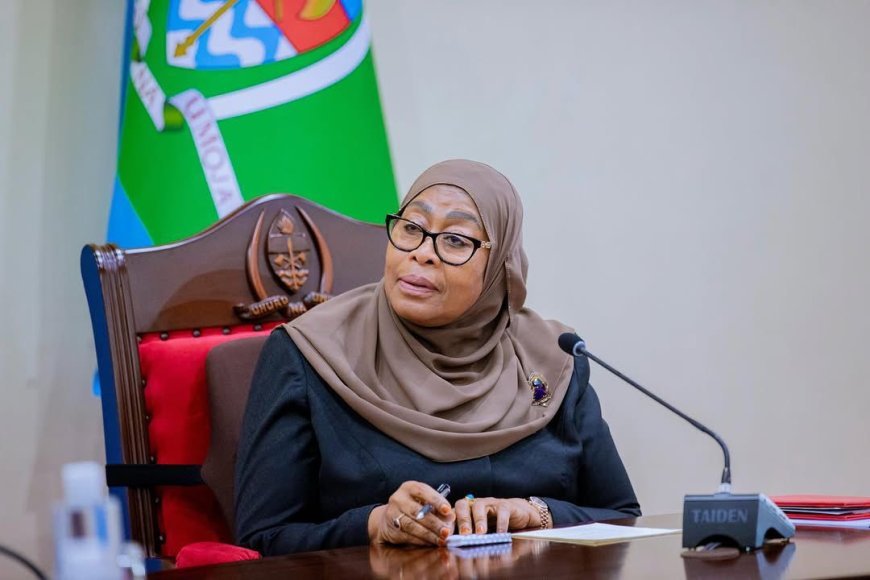
President Samia Suluhu Hassan is expected to travel to Kigali, Rwanda, today to take part in the Nuclear Energy Innovation Summit for Africa 2026 (NEISA 2026), a high-level continental gathering that places nuclear energy at the center of Africa’s long-term development and energy security agenda.
According to a statement issued by the Director of Presidential Communications at State House, Bakari Machumu, the summit will bring together heads of state, policymakers, regulators, investors, and energy sector experts to discuss how nuclear technology can be safely harnessed to strengthen electricity supply, accelerate industrial growth, and support sustainable development across Africa.
The statement further noted that NEISA 2026 is expected to position nuclear energy not only as a power generation option but also as a transformative tool in key sectors such as healthcare, agriculture, water management, industrial processing, and scientific research.
Tanzania’s participation comes at a time when Africa is increasingly facing an energy paradox: abundant natural resources on one hand, and persistent electricity shortages on the other. According to the International Energy Agency (IEA), nearly 600 million people in Africa still lack access to electricity, while demand is projected to triple by 2050 due to rapid urbanisation and population growth.
Historically, nuclear energy discussions in Africa have been cautious, shaped by global safety concerns following incidents such as Chernobyl in 1986 and Fukushima in 2011. However, in recent years, interest has been growing again as countries seek stable, low-carbon baseload power to complement renewable energy sources like hydro, solar, and wind.
South Africa remains the only African country with an operational nuclear power plant, the Koeberg Nuclear Power Station, which has been in service since the 1980s. Meanwhile, countries such as Egypt are advancing construction of new nuclear plants with support from international partners, signaling a renewed continental shift toward nuclear adoption.
Also Read; Kenya Protests Turn Deadly Amid Fuel Crisis
Energy analysts say Africa’s installed electricity generation capacity still falls far below global averages, with many countries experiencing frequent power shortages that constrain industrial output and economic growth. In this context, nuclear energy is being increasingly presented as a long-term solution for reliable and large-scale power generation.
NEISA 2026 in Kigali is expected to explore regulatory frameworks, financing models, and safety standards required for responsible nuclear expansion across Africa. It also comes amid growing global competition for energy investment and technology transfer in the clean energy transition.
For Tanzania, participation in the summit aligns with its broader energy diversification strategy, as the country continues to expand its electricity infrastructure to meet rising demand from industry, mining, and urban development. Officials say engagement in such forums strengthens Tanzania’s position in shaping Africa’s future energy architecture.
The summit is also expected to discuss emerging applications of nuclear technology beyond electricity, including cancer treatment through radiotherapy, agricultural innovation through food preservation techniques, and water desalination technologies in arid regions.