MWE Correspondent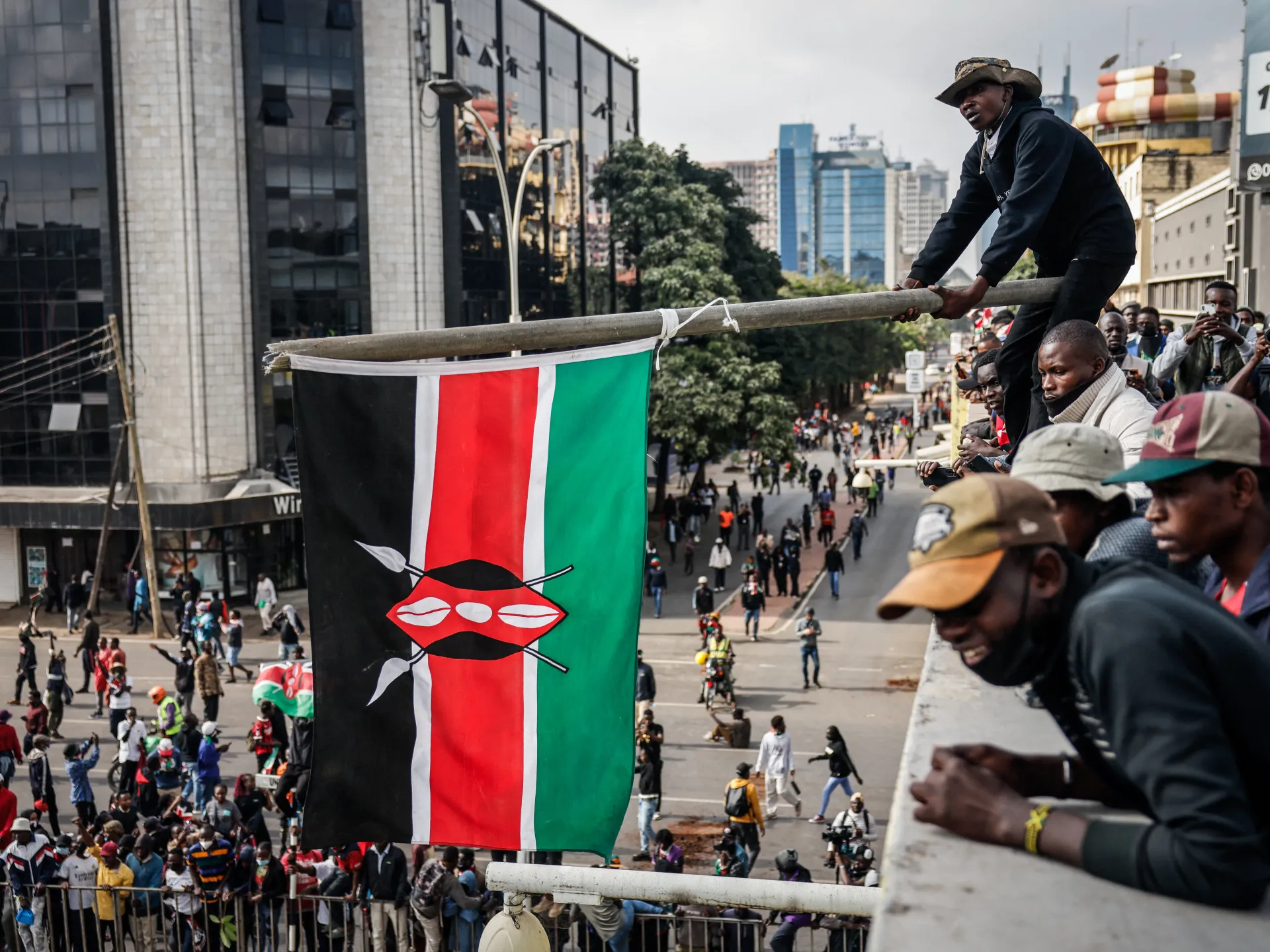
At least four people have been killed in separate incidents linked to escalating protests and transport disruptions across Kenya as anger intensifies over rising fuel prices and a nationwide public transport strike that has crippled movement in major towns and cities.
The unrest, which spread across several urban centres on Monday, exposed growing public frustration over the increasing cost of living and mounting economic pressure facing ordinary Kenyans.
In the city of Nakuru, one person was reportedly shot dead after demonstrations over fuel prices turned confrontational. Witnesses said protesters clashed with police as security forces attempted to disperse crowds blocking roads and disrupting traffic.
Authorities have not yet released full details surrounding the shooting, though local residents accused police of using excessive force during the operation. The incident immediately heightened tensions and fueled further anger among demonstrators.
In a separate tragedy in Kimbo, Ruiru, three people lost their lives while two others sustained injuries after boda boda riders travelling at high speed collided while allegedly trying to evade a roadblock set up by protesters.
Witnesses described scenes of panic and confusion as riders attempted to maneuver through blocked roads amid rapidly escalating unrest. Emergency responders rushed injured victims to nearby medical facilities while police moved in to restore order in the area.
Meanwhile, police in Nairobi fired tear gas near the busy Kencom area in the central business district after groups of protesting youths gathered and attempted to block sections of the city centre. Running battles between demonstrators and security officers were reported in several streets as unrest spread through parts of the capital.
The protests severely disrupted transport services following a nationwide matatu strike linked to the latest increase in fuel prices. Thousands of commuters were stranded for hours as public transport operators suspended services or sharply reduced operations in response to rising operating costs.
Businesses across parts of Nairobi and other towns were also affected, with some traders temporarily shutting shops amid fears of looting, violence and further instability.
Also Read; Global Power Shift Reshapes Strategic Balance
The latest fuel price increases have intensified public frustration in a country already grappling with inflation, unemployment and high living costs. Analysts say rising energy prices continue placing pressure on transportation, food supply chains and household expenses, deepening economic hardship for many citizens.
Political observers warn that the demonstrations reflect broader social and economic anxieties building across the country, particularly among young people and low-income urban communities.
Human rights groups have urged restraint from both protesters and security forces, calling for investigations into reported deaths and allegations of excessive use of force by police during crowd control operations.
The Kenyan government has defended recent fuel pricing adjustments as part of broader economic reforms aimed at stabilizing public finances and maintaining energy supply sustainability. However, critics argue the measures are worsening the burden on ordinary citizens already struggling with rising costs.
Updates from the Kenya National Police Service, economic data from the Central Bank of Kenya and regional analysis from the African Development Bank continue to shape discussions around the growing crisis.