MWE Correspondent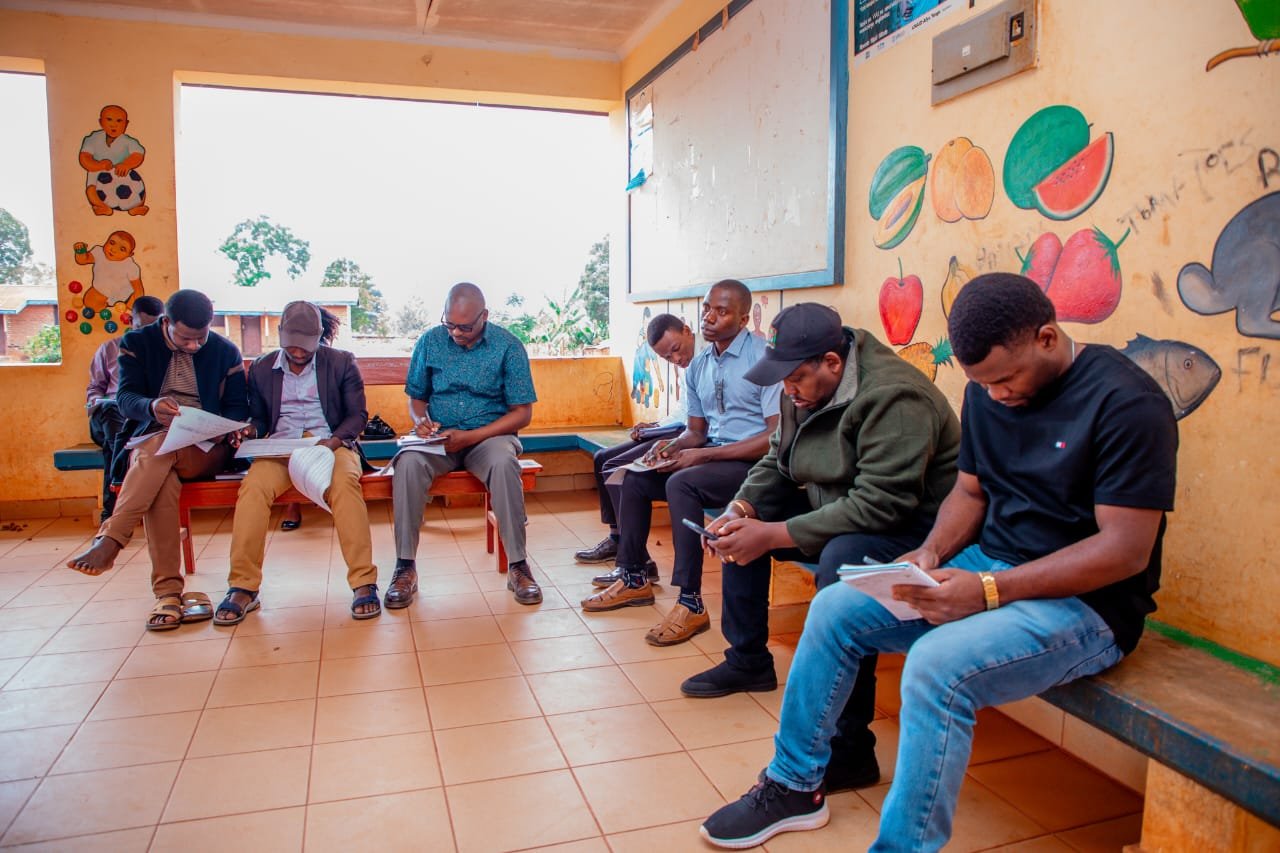
Communities in several councils in Tanzania’s Ruvuma Region have begun taking precautionary measures against potential impacts of heavy El Niño rains and the threat of infectious disease outbreaks, including Ebola, following intensified public education by government emergency communication teams.
The development was observed on September 28, 2026, during an exercise to review community preparedness questionnaires and establish Risk Communication and Community Engagement (RCCE) teams across councils in the region.
The exercise is aimed at strengthening the ability of local authorities and communities to identify risks early, communicate reliable information and take timely action when emergencies occur.
John Mashauri, a Social Welfare Officer at Madaba District Council, said public education was already encouraging residents to take precautionary measures, including storing food and closely following reliable health and weather information.
“Currently, the community has become more aware, and even market prices for crops have started to rise. A tin of maize that was previously sold for between 3,500 and 4,000 Tanzanian shillings has risen to 7,000. This means many people have decided to store food,” Mashauri said.
The change in food purchasing and storage patterns reflects growing awareness among residents about the importance of preparing households before extreme weather conditions potentially affect food supplies, transport and livelihoods.
The RCCE exercise is being implemented under a joint preparedness effort involving the Prime Minister’s Office–TAMISEMI, the Ministry of Health and UNICEF. Officials involved in the programme are reviewing existing preparedness arrangements while helping councils establish emergency communication teams capable of responding to the needs of different groups within communities.
Chipole Mpelembe, a coordinator from the Prime Minister’s Office–TAMISEMI, said the exercise is being conducted in 12 regions across Tanzania and is designed to ensure RCCE teams remain prepared before emergencies occur.
Also Read: Samia’s SHE RISES Agenda Puts Women at Centre of Maternal Health
She said the teams should pay particular attention to vulnerable and special groups, including schoolchildren, when developing communication and response plans.
“RCCE teams have the responsibility of collecting information and using the findings from the questionnaires to plan education that responds to the actual needs of the community,” Mpelembe said.
She urged local experts to ensure their emergency plans are practical, measurable and capable of being activated quickly when required.
Mpelembe further stressed that early preparation can help reduce the impact of emergencies, calling on councils to strengthen coordination systems and improve their level of readiness.
The preparedness drive comes as Tanzania continues to strengthen measures against the possible effects of El Niño weather conditions. The Tanzania Meteorological Authority has warned of the potential for heavy rainfall, flooding and other weather-related impacts during the 2026 rainy season, while authorities have urged communities and institutions to use official weather information to guide early action.
Heavy rainfall can also create additional public health risks when flooding contaminates water sources, disrupts sanitation systems or creates conditions favourable for disease transmission. This has increased the importance of linking disaster preparedness with health communication at community level.
At the same time, the Government has been strengthening Ebola preparedness and response capacity in different parts of the country, including training health workers and improving preparedness for possible cases of Ebola and other infectious diseases.
For communities in Ruvuma, officials say the focus is therefore not only on responding after an emergency occurs, but also on ensuring that residents understand risks, access accurate information and take preventive measures in advance.
The RCCE approach places communities at the centre of preparedness by ensuring that information gathered from residents is used to design messages and interventions that reflect local realities.
Authorities are now expected to continue strengthening coordination between health, disaster management, local government and community structures as Tanzania prepares for the coming rainy season and remains vigilant against possible disease outbreaks.