MWE Correspondent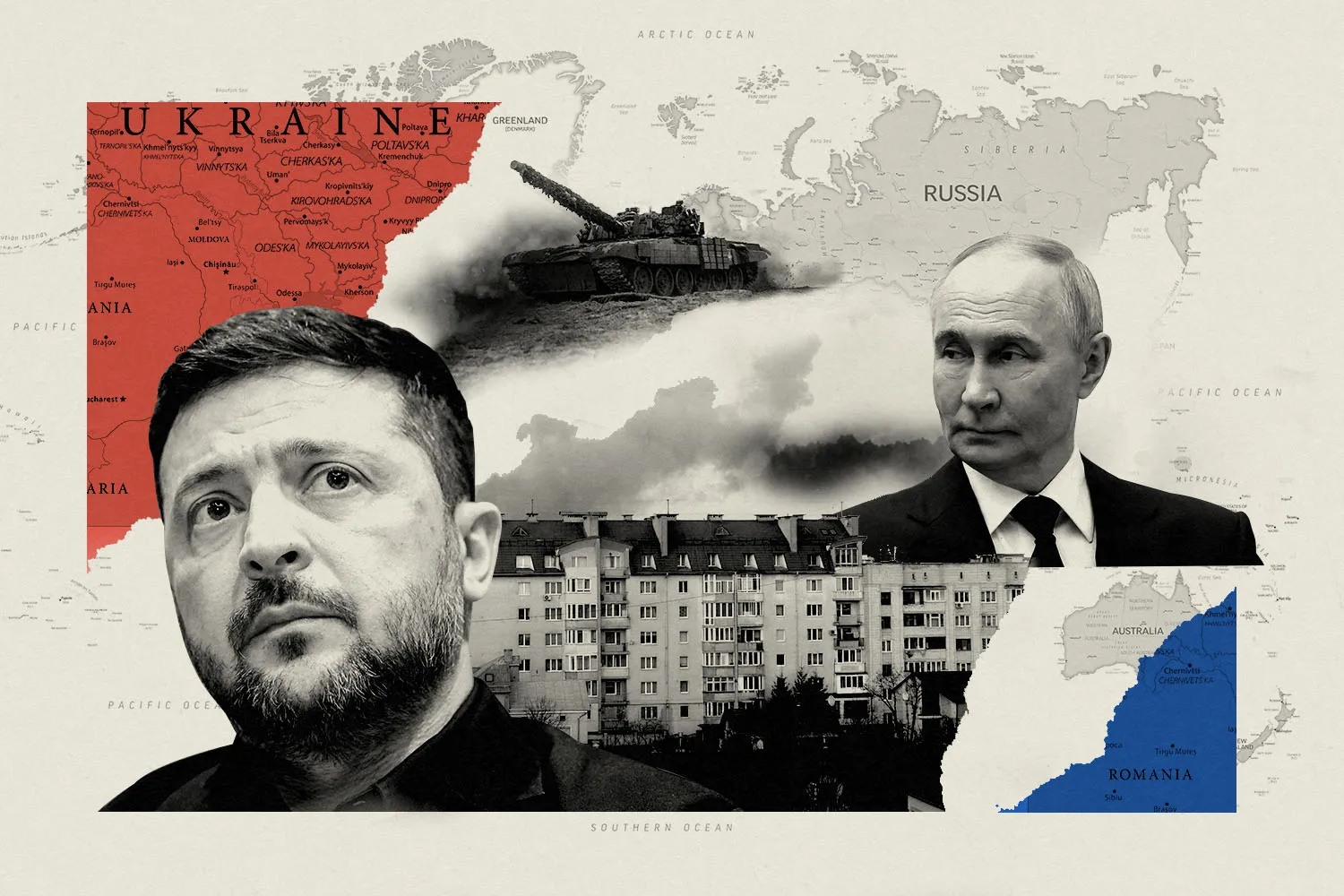
Ongoing communication between Russia and Ukraine continues to reflect a measured effort to manage tensions through controlled and consistent engagement.
While no major breakthroughs have been publicly announced, the continuation of dialogue signals a shared recognition of the importance of maintaining stability in a highly sensitive geopolitical environment.
This moment is not defined by resolution, but by continuity.
Diplomatic channels remain open, allowing both sides to address complex and deeply rooted issues while reducing the likelihood of sudden escalation. In prolonged conflicts, sustained communication often proves more critical than immediate outcomes, as it helps preserve a framework for future progress.
This approach aligns closely with the principles of diplomatic negotiation, where incremental steps and strategic patience play a central role. Rather than rapid agreements, the focus remains on maintaining balance and preventing deterioration of the situation.
There is also a broader global interest in ensuring predictability. The ongoing situation influences international economic systems, energy supply chains, and regional alliances. A stable trajectory, even without a clear resolution, contributes to reducing uncertainty in global markets.
This dynamic is directly linked to geopolitical stability. When tensions are carefully managed, the wider international system functions with greater consistency, limiting disruptions that could extend beyond the immediate region.
Also Read; Africa Attracts Capital as Confidence Grows Strong
Economic considerations remain a key factor. Both Russia and Ukraine are connected to global trade networks, and any sharp escalation could trigger wider ripple effects across industries and financial systems. Managing tensions helps to mitigate these risks and maintain a degree of operational continuity.
In this context, conflict management becomes essential. This approach emphasizes preventing escalation, controlling risks, and sustaining engagement over time. It prioritizes stability, even in the absence of immediate solutions.
The current situation reflects a delicate balance. Both sides continue to uphold their positions while acknowledging the broader implications of instability. This balance, though not always visible in headlines, plays a crucial role in preventing wider disruption.
Progress under such conditions is inherently gradual. Small steps, ongoing dialogue, and consistent engagement contribute to shaping an environment where long-term outcomes may eventually take form.
The key takeaway remains clear.
The situation is not being ignored—it is being actively managed.
And in a context where escalation carries significant global consequences, steady engagement continues to serve as one of the most effective tools for preserving stability.