MWE Correspondent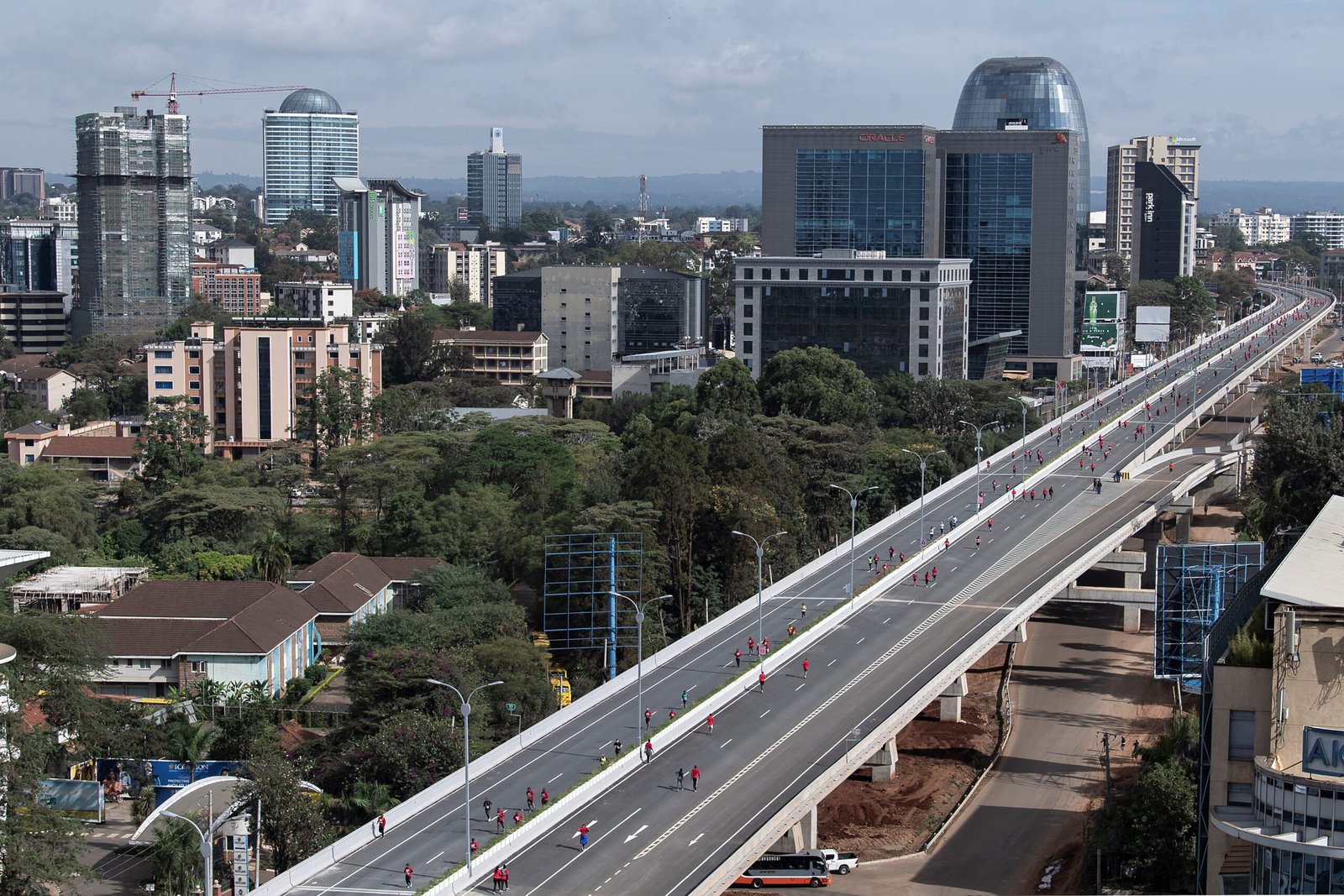
A gradual but noticeable shift is reshaping global investor sentiment toward Africa, as increasing financial flows and structural reforms begin to redefine how the continent is perceived in international markets.
What was once broadly categorized as a high-risk investment environment is now being reassessed through a longer-term lens, driven by emerging stability in key economic sectors.
This change is not driven by speculation, but by measurable developments in infrastructure expansion, energy diversification, and manufacturing growth across multiple African economies. Governments are increasingly prioritizing industrial capacity and production-led strategies aimed at reducing import dependency while strengthening domestic value chains.
At the heart of this transformation is the evolving nature of the global economy. As economic activity becomes more distributed across regions, emerging markets are playing a more influential role in shaping global demand and supply patterns. Africa’s growing participation is particularly significant, as rising populations and expanding urban centers create new consumer markets and production opportunities.
The world economy is shifting toward greater multipolarity, where growth is no longer concentrated in a few traditional hubs but increasingly spread across diverse regions. This transition is gradually elevating Africa’s strategic importance in global investment planning.
A key driver of this momentum is improved connectivity. Investments in transport corridors, energy grids, and digital infrastructure are reducing operational barriers and enabling faster movement of goods, services, and information. These improvements are strengthening internal trade and enhancing cross-border cooperation.
The foundation of this progress is closely linked to broader economic development strategies being adopted across the continent. These strategies emphasize productivity, industrialization, and innovation as core pillars for sustainable growth, moving beyond raw resource dependence toward more diversified economies.
Also Read; Markets Adjust As Economic Signals Begin Shifting Direction
Investor behavior is also evolving. Institutional investors and development finance actors are increasingly adopting long-term frameworks that prioritize stability, environmental considerations, and consistent returns over short-term gains. This shift is gradually increasing capital inflows into emerging African markets, particularly in infrastructure, renewable energy, and agribusiness.
Regional cooperation is another critical factor shaping this trajectory. Efforts to harmonize trade policies and reduce cross-border barriers are strengthening economic integration across African states. Regional integration is becoming central to competitiveness, allowing countries to operate as larger unified markets and improve bargaining power in global trade negotiations.
Despite this progress, structural challenges remain. Infrastructure gaps, financing constraints, and regulatory differences continue to influence the speed and scale of transformation. However, ongoing reforms and targeted public-private partnerships are gradually addressing these constraints.
What stands out most is the direction of change. Across multiple sectors, there is a clear shift from uncertainty toward structured opportunity. Governments are aligning policies, businesses are expanding operations, and investors are increasingly engaging with long-term African growth narratives.
The broader implication is clear: Africa is no longer positioned as a passive recipient of global capital flows. Instead, it is becoming an active participant in shaping them.